2025 Self-Care Checklist: Holistic Wellness Updates

The updated 2025 self-care checklist emphasizes a dynamic, personalized approach to holistic wellness, integrating digital well-being, environmental consciousness, and proactive mental health strategies to foster resilience and a balanced life.
In an ever-evolving world, maintaining personal well-being requires an adaptable approach. The updated 2025 self-care checklist offers a refreshed perspective on ensuring holistic wellness, incorporating the latest insights and understanding of our complex needs.
redefining self-care for the modern era
Self-care, once viewed as an indulgence, has firmly established itself as a fundamental pillar of overall health. As we move further into 2025, the concept has broadened to encompass a more dynamic and integrated approach, acknowledging the intricate connections between our mental, physical, emotional, and even digital lives. This redefinition is crucial for developing strategies that are genuinely effective and sustainable in today’s fast-paced environment.
The traditional pillars of self-care—adequate sleep, balanced nutrition, and regular exercise—remain foundational. However, the 2025 landscape demands a deeper dive into areas like digital well-being, environmental mindfulness, and proactive mental health management. Our exposure to constant information and societal pressures necessitates a more deliberate and personalized self-care regimen that can adapt to individual circumstances and evolving challenges.
the evolution of personal well-being
The journey of self-care has seen significant shifts over the past few years. What began as basic practices has expanded into sophisticated frameworks that recognize the multidimensionality of human health. This evolution is not merely about adding more tasks to a list, but about cultivating a deeper awareness of our internal states and external influences.
- Personalized approaches: Moving away from one-size-fits-all, towards tailor-made self-care plans.
- Proactive rather than reactive: Focusing on preventative measures to maintain well-being before issues arise.
- Integration of technology: Utilizing beneficial tech while mitigating its potential drawbacks.
- Community and connection: Recognizing the vital role of social bonds in mental and emotional health.
Ultimately, redefining self-care for the modern era means recognizing that it is not a luxury, but a necessity. It is an ongoing commitment to nurturing every aspect of our being, ensuring we have the resilience and vitality to navigate life’s demands effectively. This holistic view empowers individuals to craft a self-care strategy that truly resonates with their unique needs and aspirations.
digital detox and mindful technology use
In 2025, our relationship with technology is more intricate than ever, making digital well-being a critical component of any effective self-care checklist. Constant connectivity, while offering numerous benefits, can also contribute to mental fatigue, anxiety, and a diminished sense of presence. Therefore, incorporating intentional digital detox periods and practicing mindful technology use are no longer optional but essential for maintaining holistic health.
Mindful technology use involves setting clear boundaries and being conscious of how, when, and why we engage with our devices. It’s about leveraging technology as a tool for enrichment rather than allowing it to become a source of distraction or stress. This can involve simple yet powerful changes to daily routines that incrementally improve our digital hygiene and overall mental clarity.
strategies for a balanced digital life
Achieving a harmonious balance with technology requires deliberate action and consistent effort. It’s about creating a digital environment that supports your well-being, not detracts from it. This means actively curating your online experience and being aware of the impact different platforms have on your mood and energy levels.
- Scheduled screen breaks: Designating specific times away from all screens to engage in other activities.
- Notifications management: Customizing alerts to only receive essential information, reducing constant interruptions.
- Intentional content consumption: Prioritizing educational or inspiring content over mindless scrolling.
- Digital sunset: Establishing a consistent time each evening to disconnect from devices before sleep.
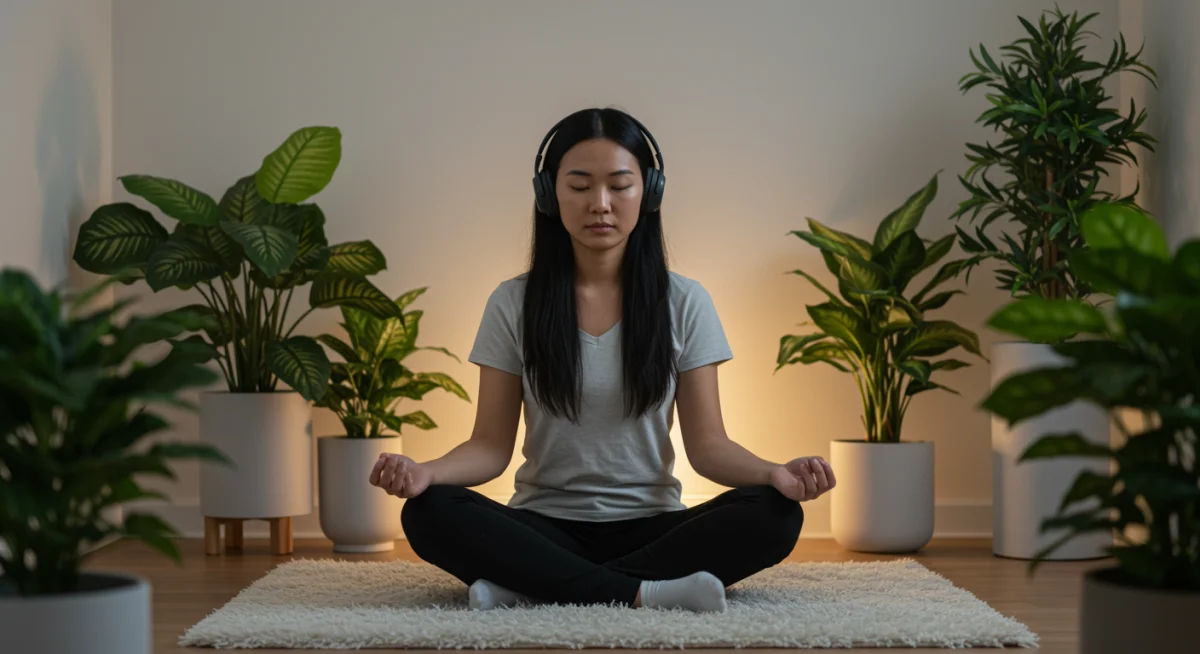
Moreover, digital detox extends beyond simply turning off devices; it involves engaging in offline activities that stimulate different parts of your brain and foster genuine human connection. This could be anything from reading a physical book to spending time in nature or pursuing a creative hobby. The goal is to reclaim your attention and energy from the digital realm, redirecting it towards experiences that truly nourish your soul and mind. By consciously managing our digital footprint, we can significantly enhance our mental peace and overall quality of life.
prioritizing mental and emotional resilience
The demands of modern life can often test our mental and emotional fortitude. In 2025, building resilience is paramount, moving beyond simply coping with stress to actively cultivating a robust inner landscape. This involves a proactive approach to mental health, integrating practices that strengthen our ability to adapt, recover, and thrive in the face of adversity. It’s about understanding that mental resilience isn’t the absence of challenges, but the capacity to navigate them effectively.
Emotional well-being is intrinsically linked to mental health. Learning to identify, understand, and manage our emotions is a crucial self-care practice. This often requires developing emotional intelligence and adopting strategies that promote emotional regulation. When we prioritize these aspects, we create a more stable foundation for our overall sense of self and our interactions with the world.
cultivating inner strength and calm
Cultivating inner strength and calm involves a combination of introspective practices and external support systems. It’s about building a toolkit of strategies that you can draw upon during challenging times. This proactive approach helps to prevent burnout and fosters a more sustainable state of well-being, rather than waiting for crises to prompt action.
- Mindfulness and meditation: Regular practice to enhance present-moment awareness and reduce rumination.
- Journaling: A tool for processing thoughts and emotions, gaining clarity and perspective.
- Therapeutic support: Seeking professional guidance for deeper self-understanding and coping mechanisms.
- Positive affirmations: Consciously challenging negative thought patterns and reinforcing self-belief.
Furthermore, establishing healthy boundaries in relationships and work is vital for protecting our emotional energy. Learning to say no, delegating tasks, and communicating our needs clearly are all acts of self-care that contribute significantly to our mental and emotional resilience. By consistently nurturing these areas, we empower ourselves to face life’s uncertainties with greater confidence and serenity, ensuring a more balanced and fulfilling existence.
nourishing the body: beyond basic nutrition
While fundamental nutrition principles remain essential, the 2025 self-care checklist expands on nourishing the body by emphasizing personalized dietary approaches and the profound connection between gut health and overall well-being. It’s no longer just about counting calories or macros, but about understanding how food impacts our energy, mood, and long-term health at a deeper, more individualized level. This holistic perspective recognizes that our bodies are unique and respond differently to various food sources.
The concept of ‘food as medicine’ takes on new relevance, with a focus on anti-inflammatory diets, nutrient-dense foods, and sustainable eating practices. This shift encourages us to listen to our bodies, observe how different foods make us feel, and make informed choices that support optimal physiological function. It’s about fostering a mindful relationship with what we consume.
personalized nutrition and gut health importance
Personalized nutrition acknowledges that there is no universal perfect diet. What works for one person might not work for another, due to genetic predispositions, lifestyle factors, and individual health goals. This tailored approach often involves consulting with nutritionists or dietitians who can provide guidance based on personal needs and health assessments.
- Microbiome diversity: Consuming fermented foods and prebiotics to support a healthy gut.
- Hydration strategies: Beyond just water, considering electrolyte balance and cellular hydration.
- Mindful eating: Paying attention to hunger cues, savoring meals, and avoiding distractions during eating.
- Sustainable sourcing: Choosing fresh, locally sourced, and ethically produced foods whenever possible.
Moreover, the burgeoning research on the gut-brain axis highlights the crucial role of gut health in mental well-being. A healthy gut microbiome can influence mood, cognitive function, and even reduce the risk of certain mental health conditions. Therefore, incorporating gut-friendly foods and practices is a significant update to our self-care routines. By consciously feeding our bodies with nutrient-rich, personalized choices, we are not only supporting physical vitality but also enhancing our mental clarity and emotional stability.
mindful movement and restorative practices
In the 2025 self-care paradigm, movement transcends mere exercise; it becomes a mindful practice aimed at fostering physical vitality, mental clarity, and emotional release. This approach emphasizes listening to the body’s needs, choosing activities that bring joy, and integrating restorative practices that aid recovery and prevent burnout. It’s about moving with intention rather than obligation, cultivating a deeper connection between mind and body through physical activity.
Restorative practices are equally important, providing essential counterpoints to more vigorous activities. These practices focus on gentle movement, deep relaxation, and passive stretching, helping to calm the nervous system and promote healing. They are crucial for maintaining flexibility, reducing muscle tension, and improving overall physical resilience, ensuring that our bodies remain capable and comfortable.
integrating movement for holistic well-being
Integrating mindful movement into daily life means finding ways to incorporate physical activity that feels good and supports your overall well-being. It’s not about pushing limits or achieving extreme fitness goals, but about consistent, gentle engagement that enhances both physical and psychological health. This holistic integration ensures that movement becomes a source of energy and peace, rather than stress.
- Yoga and Pilates: Combining strength, flexibility, and breathwork for mind-body connection.
- Nature walks: Engaging senses in natural environments to reduce stress and boost mood.
- Dynamic stretching: Incorporating fluid movements to improve mobility and circulation.
- Active recovery: Gentle activities like foam rolling or light swimming to aid muscle repair.
Restorative practices, such as yin yoga, progressive muscle relaxation, or even simple intentional breathing exercises, play a vital role in balancing our active pursuits. They help to downregulate the nervous system, reduce cortisol levels, and promote deep rest, which is essential for cellular repair and mental rejuvenation. By embracing both mindful movement and restorative practices, we create a comprehensive approach to physical self-care that supports longevity, vitality, and a profound sense of inner peace.
fostering meaningful connections and community
Human beings are inherently social creatures, and the updated 2025 self-care checklist places significant emphasis on fostering meaningful connections and actively engaging with community. In an increasingly digital world, genuine human interaction can sometimes feel scarce, yet its importance for mental and emotional well-being cannot be overstated. Cultivating strong social bonds provides a sense of belonging, support, and shared experience that is vital for our overall health and resilience.
Meaningful connections extend beyond superficial interactions; they involve deep conversations, mutual support, and shared vulnerabilities. These relationships act as a buffer against stress and loneliness, offering comfort and perspective during challenging times. Prioritizing these connections is an active form of self-care that enriches our lives and strengthens our support networks.
building a supportive social network
Building a supportive social network requires intentional effort and a willingness to invest time and energy into relationships. It’s about identifying who truly uplifts you and actively nurturing those bonds. This also involves stepping outside your comfort zone to meet new people and explore new communities that align with your values and interests.
- Scheduled social time: Making dedicated plans with friends and family, treating them as important appointments.
- Joining interest groups: Participating in clubs, classes, or volunteer activities that align with your passions.
- Active listening: Practicing genuine engagement and empathy in conversations to deepen connections.
- Digital connection with purpose: Using social media to maintain distant relationships meaningfully, not just passively consume.
Furthermore, contributing to and engaging with your local or online community can provide a profound sense of purpose and connection. Volunteering, participating in local events, or joining online forums focused on shared interests can combat feelings of isolation and foster a sense of belonging. By actively fostering meaningful connections and engaging with community, we not only enhance our own well-being but also contribute to a more interconnected and supportive society, creating a virtuous cycle of care and mutual growth.
| Key Aspect | Brief Description |
|---|---|
| Digital Well-being | Intentional digital detox and mindful technology use to reduce mental fatigue. |
| Mental Resilience | Proactive strategies like mindfulness, journaling, and therapy to strengthen inner fortitude. |
| Personalized Nutrition | Tailoring dietary choices and focusing on gut health for optimal physical and mental function. |
| Meaningful Connections | Actively fostering social bonds and community engagement for emotional support and belonging. |
frequently asked questions about 2025 self-care
The 2025 self-care checklist places a stronger emphasis on personalized, dynamic strategies, integrating digital well-being, environmental mindfulness, and proactive mental health management. It recognizes the complex interplay between all aspects of our lives, moving beyond generic advice to tailored approaches for holistic health.
Effective digital detox involves setting clear boundaries, such as scheduled screen breaks, managing notifications, and establishing a ‘digital sunset’ before bedtime. Focus on intentional content consumption and replace screen time with engaging offline activities like reading, nature walks, or creative hobbies.
Recent research highlights the profound connection between gut health and overall well-being, particularly the gut-brain axis. A healthy gut microbiome influences mood, cognitive function, and mental resilience. Therefore, personalized nutrition focusing on gut-friendly foods is now a critical component of holistic self-care.
Mindful movement involves engaging in physical activity with intention and awareness, listening to your body’s needs rather than pushing limits. Examples include yoga, Pilates, nature walks, and dynamic stretching. It’s about fostering a deeper mind-body connection and choosing activities that bring joy and promote overall well-being.
Fostering meaningful connections requires intentional effort, such as scheduling dedicated social time, joining interest groups, and practicing active listening. Engage with your community through volunteering or local events. Prioritize quality interactions over quantity, nurturing relationships that provide genuine support and a sense of belonging.
conclusion: embracing a holistic and adaptive self-care journey
The updated 2025 self-care checklist underscores a fundamental shift in our understanding of well-being: it is not a static state but a dynamic, ongoing journey. By embracing personalized strategies, managing our digital lives mindfully, prioritizing mental and emotional resilience, nourishing our bodies with intention, and fostering meaningful connections, we equip ourselves with the tools necessary to navigate the complexities of modern existence. This holistic and adaptive approach ensures that self-care remains relevant and effective, empowering individuals to cultivate a life rich in vitality, balance, and profound inner peace. The commitment to these practices is an investment in our most valuable asset: ourselves.