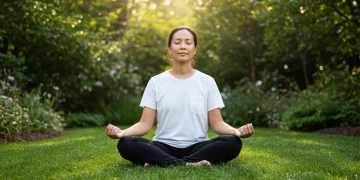
Mind-Body Connection: 3 Exercises to Reduce Anxiety & Boost Mood

Three powerful mind-body connection exercises, including diaphragmatic breathing, progressive muscle relaxation, and mindful movement, offer practical solutions to significantly reduce anxiety and improve mood by up to 25% through enhanced self-regulation.
Are you seeking effective ways to navigate daily stress and cultivate a greater sense of calm? The profound impact of the mind-body connection exercises on our emotional landscape is increasingly recognized, offering tangible benefits for reducing anxiety and elevating mood. This article delves into practical, evidence-based techniques that can empower you to achieve up to a 25% improvement in your emotional well-being, fostering a more balanced and joyful life.
Understanding the Mind-Body Connection
The intricate relationship between our thoughts, emotions, and physical health is not a new concept, yet its practical application in modern life often goes overlooked. This connection means that what affects one aspect inevitably influences the other, creating a continuous feedback loop that shapes our overall well-being. Recognizing this interplay is the first step toward harnessing its power for self-healing and emotional regulation.
Our bodies constantly respond to our mental state. When we experience stress or anxiety, our sympathetic nervous system activates, triggering the ‘fight or flight’ response. This leads to increased heart rate, shallow breathing, muscle tension, and a cascade of stress hormones. Conversely, a calm and positive mental state can promote relaxation, lower blood pressure, improve digestion, and strengthen the immune system. Learning to consciously influence this connection can be a game-changer for managing emotional distress.
The Science Behind Holistic Well-being
Modern neuroscience and psychology continually provide robust evidence for the mind-body link. Research indicates that practices integrating mental and physical awareness can alter brain structure, reduce inflammatory markers, and improve neurotransmitter balance. These physiological changes directly contribute to reduced anxiety and enhanced mood.
- Neuroplasticity: The brain’s ability to reorganize itself by forming new neural connections, influenced by our thoughts and experiences.
- Vagus Nerve Stimulation: Practices like deep breathing can stimulate the vagus nerve, which plays a crucial role in regulating the parasympathetic nervous system, promoting relaxation.
- Hormonal Balance: Regular engagement in mind-body practices can help regulate cortisol (the stress hormone) and increase beneficial neurotransmitters like serotonin and dopamine.
Ultimately, understanding the mind-body connection allows us to approach our health holistically. Instead of treating symptoms in isolation, we can address the root causes by fostering a harmonious relationship between our mental and physical selves. This integrated approach offers a sustainable path to lasting emotional resilience and improved quality of life.
Exercise 1: Diaphragmatic Breathing for Instant Calm
Diaphragmatic breathing, often called ‘belly breathing,’ is a fundamental mind-body technique that can profoundly impact your nervous system. Unlike shallow chest breathing, which often accompanies stress, diaphragmatic breathing engages the diaphragm, promoting deeper oxygen intake and activating the parasympathetic nervous system. This activation signals your body to relax, reducing heart rate and blood pressure almost immediately.
The beauty of this exercise lies in its simplicity and accessibility. You can practice it anywhere, anytime, making it an invaluable tool for on-the-spot anxiety reduction. Regular practice not only helps during acute stress but also builds a foundation for a more regulated nervous system overall, leading to sustained improvements in mood and reduced baseline anxiety levels.
How to Practice Diaphragmatic Breathing
Mastering this technique requires conscious effort at first, but with practice, it becomes second nature. Finding a quiet space where you can sit or lie down comfortably is beneficial when starting. Place one hand on your chest and the other on your abdomen to feel the movement.
- Inhale Deeply: Breathe in slowly through your nose, allowing your abdomen to rise as your diaphragm contracts and pulls air into your lungs. Your chest should remain relatively still.
- Exhale Slowly: Exhale gently through your mouth (or nose), feeling your abdomen fall. You can purse your lips slightly during exhalation to control the flow.
- Focus and Rhythm: Aim for a slow, steady rhythm. For example, inhale for a count of four, hold for one, and exhale for a count of six.
Begin with 5-10 minutes of practice daily, gradually increasing the duration as you become more comfortable. Consistency is key to experiencing the full benefits of diaphragmatic breathing, transforming it from a mere exercise into a powerful tool for emotional regulation and improved mood.
Exercise 2: Progressive Muscle Relaxation (PMR)
Progressive Muscle Relaxation (PMR) is a technique that involves systematically tensing and then relaxing different muscle groups throughout the body. Developed by Dr. Edmund Jacobson in the early 20th century, PMR is based on the premise that mental calmness is a natural consequence of physical relaxation. By consciously releasing tension, you send a clear signal to your brain that it’s safe to relax, thereby reducing anxiety and promoting a sense of peace.
This exercise is particularly effective because it teaches you to recognize the subtle differences between tension and relaxation in your body. Many people carry chronic muscle tension without even realizing it, contributing to feelings of stress and anxiety. PMR helps to heighten this awareness, allowing you to proactively address and release physical manifestations of emotional distress.
Steps for Effective PMR Practice
To begin PMR, find a comfortable, quiet space where you won’t be disturbed. You can lie down or sit in a supportive chair. The process involves focusing on one muscle group at a time, tensing it, and then completely relaxing it. Remember to breathe normally throughout the exercise.
- Hands and Arms: Start by clenching your fists tightly for 5-7 seconds, feeling the tension in your hands and forearms. Then, release completely, letting your hands go limp and noticing the contrast.
- Head and Face: Move to your face, squinting your eyes, wrinkling your forehead, and clenching your jaw. Hold for a few seconds, then release all tension, letting your facial muscles soften.
- Torso and Legs: Continue this process through your neck, shoulders, chest, back, abdomen, buttocks, thighs, calves, and feet. For each group, tense, hold, and then release, paying close attention to the sensation of relaxation spreading.
Dedicate 15-20 minutes to PMR daily for optimal results. Over time, you’ll develop a stronger awareness of your body’s tension signals and be able to release them more readily, leading to a significant reduction in chronic anxiety and a noticeable improvement in your overall mood.
Exercise 3: Mindful Movement through Yoga and Tai Chi
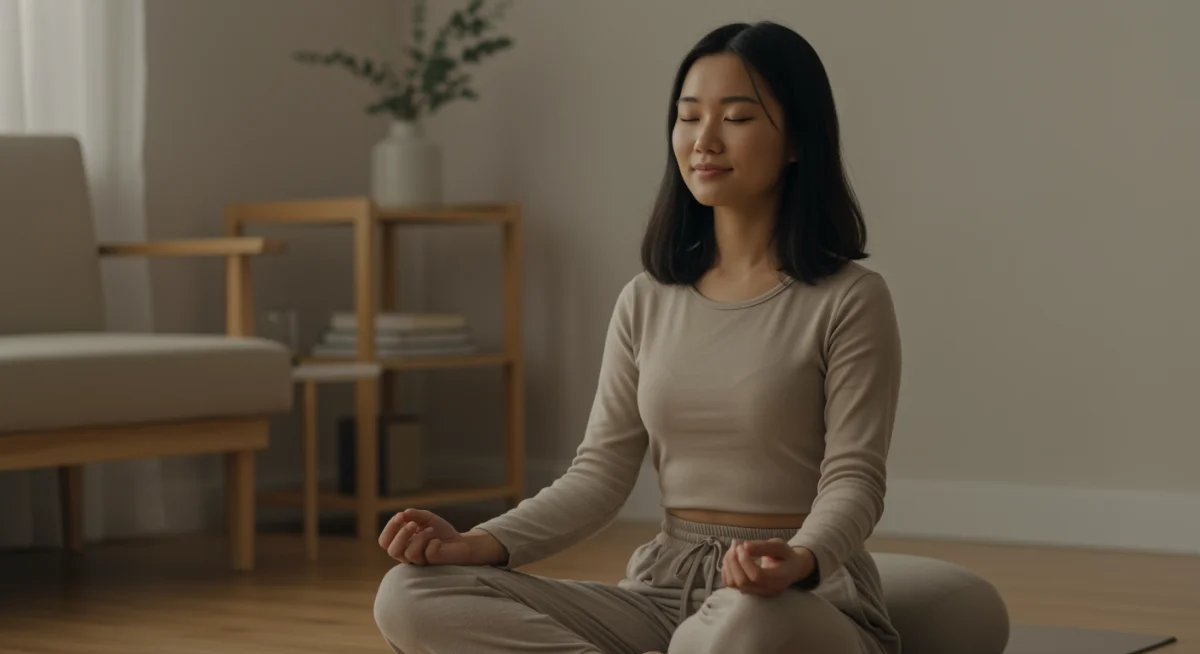
Mindful movement practices like yoga and Tai Chi offer a dynamic approach to cultivating the mind-body connection. These ancient disciplines combine physical postures, controlled breathing, and meditation, fostering a deep sense of presence and inner calm. Unlike strenuous exercise, the focus in mindful movement is not on performance but on awareness – how your body feels, how your breath flows, and how your mind responds to the present moment.
Engaging in these practices regularly can lead to remarkable reductions in anxiety and stress levels. The gentle, flowing movements improve flexibility, strength, and balance, while the integrated breathwork and meditative component calms the nervous system. This holistic approach supports both physical and mental resilience, making it an excellent strategy for long-term mood improvement.
Integrating Movement and Mindfulness
The key to mindful movement is to approach each pose or movement with intention and awareness. It’s not just about going through the motions but about experiencing each sensation fully. This focused attention helps to quiet the incessant chatter of the mind, allowing for a state of relaxed alertness.
- Yoga: Focus on linking breath with movement. As you transition between poses, pay attention to the stretch, strength, and balance. Allow your breath to guide you, deepening your experience.
- Tai Chi: Emphasize slow, continuous, and circular movements. The practice cultivates internal energy (Qi) and promotes mental clarity. Each movement flows into the next, creating a moving meditation.
- Body Scan: During or after your practice, take a moment to perform a body scan. Notice any lingering sensations, areas of openness, or remaining tension. Acknowledge them without judgment.
Starting with beginner classes or guided online sessions is highly recommended to learn the proper forms and principles. Even short, consistent sessions of 15-30 minutes can yield significant benefits, helping you to feel more grounded, less anxious, and more in tune with your body’s innate wisdom.
Integrating Mind-Body Practices into Daily Life
The true power of mind-body connection exercises lies in their integration into your daily routine. While dedicated practice sessions are invaluable, weaving these principles into everyday activities amplifies their benefits. This means finding moments throughout your day to check in with your breath, notice your body’s sensations, and bring a sense of mindfulness to ordinary tasks. Such consistent application transforms these exercises from isolated techniques into a pervasive state of being, fostering sustained emotional well-being.
The goal is not to eliminate all stress or anxiety, as these are natural human experiences. Instead, it is to develop a greater capacity to respond to them skillfully, preventing them from overwhelming your system. By consistently applying these practices, you build resilience, improve self-awareness, and cultivate a deeper sense of inner peace, regardless of external circumstances.
Practical Tips for Consistency
Building new habits takes time and intentionality. To successfully integrate mind-body practices, consider these practical strategies:
- Schedule It: Treat your practice like an important appointment. Even 5-10 minutes a day is more effective than sporadic long sessions.
- Set Reminders: Use alarms on your phone or sticky notes to prompt you to take a few deep breaths or do a quick body scan.
- Combine with Existing Habits: Practice diaphragmatic breathing while waiting in line, or do a quick PMR scan before bed.
- Track Your Progress: Keep a journal of how you feel before and after practice. Noticing improvements can be a powerful motivator.
By making these exercises a regular part of your life, you are actively investing in your mental and emotional health. This consistent effort will lead to tangible results, helping you to manage anxiety more effectively and experience a significant boost in your overall mood and quality of life.
Measuring Your Progress and Sustaining Benefits
Understanding how to measure progress and sustain the benefits of mind-body practices is crucial for long-term success. While the 25% improvement in mood and anxiety reduction is an achievable goal, it’s important to recognize that progress isn’t always linear. There will be good days and challenging days, and consistency over time is what truly makes a difference. Keeping track of your experiences can provide valuable insights and motivate you to continue your journey.
Sustaining these benefits requires ongoing commitment and a willingness to adapt your practices as needed. Life circumstances change, and your needs may evolve. Regularly checking in with yourself and adjusting your routine to best support your current well-being is part of the process. Remember, this is a journey toward greater self-awareness and emotional mastery, not a destination.
Tools for Self-Assessment and Long-Term Wellness
Several tools and strategies can help you objectively assess your progress and maintain a consistent practice:
- Mood Journals: Regularly note your mood, anxiety levels, and any noticeable triggers or patterns. This helps identify what works best for you.
- Anxiety Scales: Utilize simple self-assessment scales (e.g., 0-10) to rate your anxiety before and after practice, or at different points in your day.
- Mindfulness Apps: Many apps offer guided meditations, breathing exercises, and progress tracking features that can support your journey.
- Community Support: Joining a yoga class, a meditation group, or connecting with like-minded individuals can provide encouragement and accountability.
By actively monitoring your progress and leaning into supportive resources, you can not only achieve but also sustain the significant improvements in anxiety reduction and mood enhancement that mind-body connection exercises offer. This proactive approach ensures that the benefits become an enduring part of your daily life, fostering lasting peace and well-being.
| Key Practice | Core Benefit |
|---|---|
| Diaphragmatic Breathing | Activates parasympathetic nervous system for immediate calm. |
| Progressive Muscle Relaxation | Systematically releases physical tension, reducing anxiety. |
| Mindful Movement (Yoga/Tai Chi) | Integrates physical postures, breath, and meditation for holistic well-being. |
| Consistency & Integration | Key to sustained benefits and long-term emotional resilience. |
Frequently Asked Questions About Mind-Body Exercises
While immediate calm can be felt with diaphragmatic breathing, significant reductions in anxiety and mood improvement typically manifest within a few weeks of consistent daily practice. Individual results may vary based on commitment and personal circumstances.
Generally, yes. These exercises are gentle and adaptable. However, if you have a pre-existing medical condition or severe mental health concerns, it’s always advisable to consult with a healthcare professional before starting any new regimen.
Mind-body exercises are powerful complementary tools, not direct replacements for professional medical or psychological treatment. They can significantly enhance the effectiveness of therapy and may reduce the need for medication in some cases, but always consult your doctor.
By reducing stress hormones, increasing beneficial neurotransmitters like serotonin, and fostering a sense of control and presence, these practices create a more positive internal environment, leading to uplifted mood and greater emotional stability.
It’s common for the mind to wander. The key is to gently guide your attention back to the exercise without judgment. Consistency, even with distractions, will gradually strengthen your focus and deepen your practice over time.
Conclusion
Embracing the power of the mind-body connection through simple yet profound exercises like diaphragmatic breathing, progressive muscle relaxation, and mindful movement offers a transformative path to emotional well-being. By consistently integrating these practices into your daily life, you can significantly reduce anxiety and cultivate a more positive, resilient mood. The journey requires dedication, but the tangible benefits—a calmer mind, a more relaxed body, and a greater sense of inner peace—are well within reach, empowering you to navigate life’s challenges with newfound grace and strength.