Stress-Immune System Connection: 2025 Health Insights

The intricate relationship between stress and the immune system significantly impacts our body’s defense mechanisms, making its understanding critical for maintaining optimal health and resilience in the face of modern life’s challenges.
Have you ever wondered why you seem to catch every cold when you’re under pressure? The answer lies in the profound stress immune connection, a vital area of research gaining increasing attention. As we look towards 2025, understanding this intricate relationship is more critical than ever for maintaining robust health and well-being in a fast-paced world.
The intricate dance between stress and immunity
Our bodies are complex systems, and few interactions are as crucial as that between our psychological state and our immune defenses. Stress, particularly chronic stress, doesn’t just affect our mood; it directly influences our body’s ability to fight off illness.
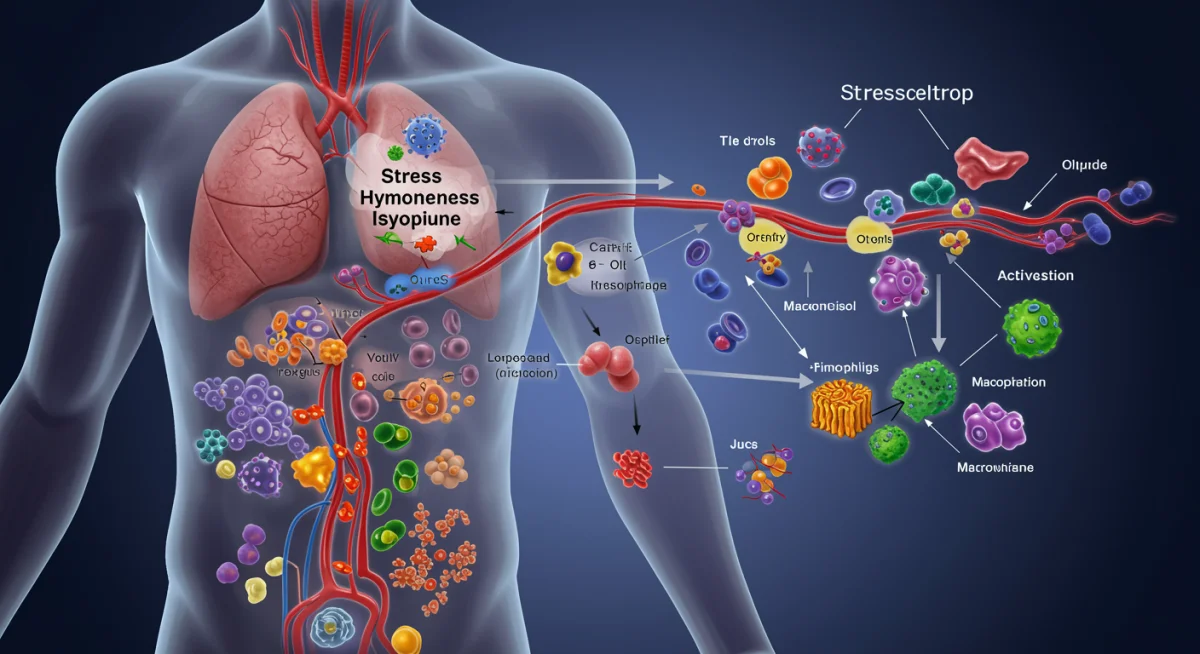
When we experience stress, our body initiates a ‘fight or flight’ response, releasing hormones like cortisol and adrenaline. While beneficial in acute situations, prolonged exposure to these hormones can have widespread effects on our immune system, often leading to suppressed immune function. This delicate balance is what researchers are keen to understand better as we navigate future health challenges.
The role of stress hormones
Cortisol, often called the ‘stress hormone,’ plays a dual role. Initially, it can enhance immunity, preparing the body for potential injury. However, sustained high levels of cortisol can become detrimental, leading to a cascade of negative effects on immune cells. This prolonged exposure can reduce the production of lymphocytes, which are critical white blood cells that help fight off infections.
- Cortisol’s effects: Suppresses inflammation, reduces lymphocyte production, and impairs antibody response.
- Adrenaline’s impact: Causes temporary immune cell redistribution, preparing the body for immediate threats, but chronic release can lead to immune dysregulation.
- Cytokine modulation: Stress hormones can alter the balance of pro-inflammatory and anti-inflammatory cytokines, influencing the body’s overall immune readiness.
Understanding these hormonal pathways is fundamental to grasping how our daily stressors translate into biological vulnerabilities. It’s not merely a feeling; it’s a physiological shift that can leave us more susceptible to illness. The continuous assault of chronic stress can effectively wear down the immune system’s resilience, making it harder for the body to mount an effective defense against pathogens.
In essence, the initial protective response to stress can become a liability when stress becomes a constant companion. Recognizing this intricate dance is the first step toward developing effective strategies to mitigate its impact on our health, ensuring our immune system remains strong and responsive as we move into 2025 and beyond.
Chronic stress: a silent immune system suppressor
While acute stress can sometimes temporarily boost certain immune responses, chronic stress is a different story. It acts as a silent, persistent suppressor, gradually weakening our body’s natural defenses and leaving us vulnerable to a wide array of health issues. This long-term impact is a major concern for public health in the coming years.
The immune system is designed to respond efficiently to threats, but when it’s constantly activated by chronic stress, it can become fatigued or dysregulated. This diminished capacity means that the body is less able to identify and neutralize pathogens, ranging from common cold viruses to more serious infections. Furthermore, chronic stress can exacerbate autoimmune conditions and slow wound healing.
How chronic stress impacts immune cells
The relentless presence of stress hormones, particularly cortisol, profoundly affects the various components of our immune system. This includes both innate immunity, our body’s first line of defense, and adaptive immunity, which involves more specific responses to pathogens.
- Reduced natural killer cell activity: These cells are crucial for fighting viral infections and tumor cells. Chronic stress can significantly impair their function.
- Decreased lymphocyte proliferation: Lymphocytes, such as T-cells and B-cells, are essential for mounting targeted immune responses. Their reduced production limits the body’s ability to fight new infections.
- Altered antibody production: The body’s ability to produce antibodies, which are vital for long-term immunity, can be compromised, leading to less effective vaccination responses.
The implications of this suppression are far-reaching. Individuals experiencing chronic stress may find themselves more frequently ill, with infections lasting longer and recovery periods extended. Conditions like allergies and asthma can also worsen due to stress-induced immune changes. The constant state of alert drains the body’s resources, diverting energy away from immune maintenance and repair.
Moreover, chronic stress can also lead to systemic inflammation, a factor implicated in numerous chronic diseases, including cardiovascular disease and metabolic disorders. This creates a vicious cycle where stress not only suppresses immunity but also contributes to other health problems, further taxing the body. Recognizing the insidious nature of chronic stress is paramount for developing comprehensive health strategies aimed at bolstering immune resilience.
The gut-brain-immune axis: an interconnected web
The human body is an intricate network of interconnected systems, and few connections are as fascinating and impactful as the gut-brain-immune axis. This three-way communication highway plays a crucial role in regulating our overall health, greatly influencing how stress impacts our immune system and vice versa. Understanding this axis is key to a holistic approach to well-being in 2025.
Our gut, often referred to as our ‘second brain,’ hosts trillions of microorganisms that form the gut microbiota. This microbiota is not just involved in digestion; it actively communicates with the brain and the immune system. Stress can significantly alter the composition and function of this microbiota, leading to imbalances that have direct consequences for immune health.
Microbiota and immune function
A healthy and diverse gut microbiota is essential for a robust immune system. It helps educate immune cells, produces beneficial compounds, and maintains the integrity of the gut lining, preventing harmful substances from entering the bloodstream. When stress disrupts this delicate balance, the immune system can suffer.
- Increased gut permeability: Chronic stress can lead to ‘leaky gut,’ where the intestinal barrier becomes compromised, allowing toxins and undigested food particles to enter the bloodstream, triggering systemic inflammation.
- Altered immune cell development: The gut is a major site for immune cell development and maturation. Dysbiosis (imbalance in gut bacteria) can impair the proper functioning and training of these cells.
- Neurotransmitter influence: Gut microbes produce neurotransmitters that influence brain function, including mood and stress response. Disruptions can exacerbate stress and impact immune signaling.
The bidirectional communication along this axis means that stress not only affects the gut microbiota, but a compromised gut can also amplify stress responses and immune dysregulation. This creates a feedback loop where mental stress leads to gut issues, which in turn can worsen stress and weaken immunity. For instance, an imbalanced gut can contribute to chronic low-grade inflammation, making the body more susceptible to illness.
Therefore, supporting gut health through diet and lifestyle interventions becomes an indirect yet powerful way to manage stress and bolster the immune system. Strategies aimed at nurturing a diverse and healthy gut microbiota can break this negative cycle, promoting resilience and enhancing the body’s ability to cope with stressors and ward off disease. This integrated perspective is crucial for optimizing health outcomes in the coming years.
Psychological factors and immune resilience
Beyond the purely physiological aspects, psychological factors play a significant role in determining our immune resilience. Our perception of stress, our coping mechanisms, and our overall mental well-being can profoundly influence how our immune system responds to challenges. This highlights the importance of mental health in the broader context of immune function.
Optimism, a sense of control, and strong social support networks have all been linked to better immune outcomes, even in the face of significant stressors. Conversely, feelings of helplessness, chronic anxiety, and social isolation can exacerbate the negative effects of stress on the immune system, making individuals more susceptible to illness.
Mind-body interventions for immune support
The good news is that various mind-body interventions can effectively mitigate the negative impact of stress on immunity. These practices help regulate the nervous system, reduce stress hormone levels, and promote a state of relaxation conducive to optimal immune function.
- Mindfulness and meditation: Regular practice can reduce cortisol levels, decrease inflammation, and even increase antibody responses to vaccines.
- Yoga and tai chi: These practices combine physical movement with breathing and meditation, promoting relaxation and reducing the physiological markers of stress.
- Cognitive behavioral therapy (CBT): Helps individuals reframe their perceptions of stress and develop healthier coping strategies, which can indirectly improve immune resilience.
Engaging in hobbies, spending time in nature, and nurturing meaningful relationships are also powerful ways to reduce stress and support immune health. These activities provide a sense of purpose, joy, and connection, all of which contribute to a more balanced physiological state. The psychological buffer they provide can literally translate into a stronger defense against pathogens.
It’s clear that neglecting our mental and emotional health comes at a cost to our physical well-being. By actively cultivating positive psychological states and employing effective stress-reduction techniques, we can empower our immune systems to function optimally. This holistic approach, integrating mental and physical care, will be a cornerstone of health strategies in 2025.
Lifestyle strategies for boosting immune health in a stressful world
In a world increasingly characterized by constant demands and stressors, adopting proactive lifestyle strategies is paramount for maintaining robust immune health. This isn’t just about avoiding illness; it’s about building resilience and ensuring our bodies are well-equipped to handle the challenges of 2025 and beyond. A multi-faceted approach, encompassing diet, sleep, exercise, and stress management, is essential.
Simply telling someone to ‘reduce stress’ isn’t enough; practical, actionable steps are needed. These strategies aim to not only mitigate the direct effects of stress on the immune system but also to create an environment within the body that naturally fosters strong defenses. It’s about empowering individuals to take control of their health in a meaningful way.
Key pillars of immune support
Focusing on foundational health habits can have a profound impact on both stress levels and immune function. These aren’t quick fixes but rather sustainable practices that build long-term resilience.
- Nutrient-rich diet: Emphasize whole foods, fruits, vegetables, and lean proteins. Specific nutrients like Vitamin C, Vitamin D, Zinc, and Selenium are critical for immune cell function. Avoid excessive sugar and processed foods, which can fuel inflammation.
- Adequate sleep: Prioritize 7-9 hours of quality sleep per night. Sleep deprivation significantly impairs immune memory and the production of protective cytokines.
- Regular physical activity: Moderate exercise boosts circulation of immune cells and reduces stress hormones. Avoid overtraining, which can paradoxically suppress immunity.
- Mindful stress management: Incorporate techniques like deep breathing, meditation, spending time in nature, or engaging in hobbies to actively reduce stress.
Beyond these individual pillars, fostering social connections and a sense of community also plays a vital role. Human connection provides emotional support, which can buffer the physiological effects of stress. Laughter and positive social interactions have been shown to increase natural killer cell activity and reduce stress hormones, further bolstering immunity.
Implementing these strategies isn’t about perfection, but consistency. Small, regular efforts can accumulate into significant improvements in immune resilience and overall well-being. By consciously integrating these practices into daily life, individuals can create a powerful shield against the negative impacts of stress, ensuring a healthier and more resilient future.
Emerging insights and future outlook for 2025
As we advance towards 2025, research into the stress immune connection continues to uncover deeper complexities and potential avenues for intervention. The future of health will increasingly focus on personalized approaches, integrating cutting-edge science with traditional wellness practices to optimize immune function in the face of ongoing environmental and psychological stressors.
New technologies and a more nuanced understanding of immunology are paving the way for targeted interventions. From precision nutrition to advanced psychoneuroimmunology, the field is evolving rapidly, promising more effective ways to support our immune systems.
Advancements in psychoneuroimmunology
The interdisciplinary field of psychoneuroimmunology (PNI) is at the forefront of understanding how the brain, behavior, and immune system interact. Future research will likely lead to more sophisticated tools and therapies.
- Biomarker identification: Researchers are working to identify specific biomarkers that can predict an individual’s immune response to stress, allowing for earlier intervention.
- Personalized stress management: Tailoring stress reduction techniques based on an individual’s genetic profile and physiological responses.
- Neuroimmune modulation: Developing therapies that directly modulate the neural pathways influencing immune function, potentially through non-invasive brain stimulation or targeted pharmaceuticals.
Furthermore, the role of epigenetics in the stress-immune axis is gaining traction. This involves how environmental factors, including stress, can alter gene expression without changing the underlying DNA sequence, impacting immune function across generations. Understanding these epigenetic modifications could unlock new strategies for long-term immune resilience.
We can also expect a greater emphasis on integrating mental health care with physical health care. The artificial division between mind and body is dissolving, leading to more holistic treatment plans that address stress and immune health concurrently. Wearable technologies and AI-driven platforms may offer real-time monitoring of stress levels and immune markers, providing personalized feedback and interventions.
The outlook for 2025 suggests a future where individuals have more tools and knowledge at their disposal to actively manage their stress and bolster their immune systems. This proactive, integrated approach will be crucial for navigating a world that continues to present novel health challenges, empowering people to achieve optimal well-being.
| Key Aspect | Brief Description |
|---|---|
| Chronic Stress Impact | Prolonged stress suppresses immune function, increasing susceptibility to illness and inflammation. |
| Gut-Brain-Immune Axis | Disruption of gut microbiota by stress negatively impacts immune response and overall health. |
| Mind-Body Connection | Psychological well-being and coping mechanisms directly influence immune resilience. |
| Holistic Strategies | Diet, sleep, exercise, and stress management are crucial for bolstering immunity. |
Frequently asked questions about the stress-immune system connection
Chronic stress leads to prolonged elevation of stress hormones like cortisol. High cortisol levels can suppress the production of lymphocytes, crucial white blood cells that fight infection, and reduce the activity of natural killer cells, making the body more vulnerable to pathogens and increasing inflammation.
Yes, stress can significantly exacerbate many existing health conditions. It can worsen autoimmune diseases, slow wound healing, trigger flare-ups of chronic inflammatory conditions like IBS or asthma, and contribute to cardiovascular problems by increasing blood pressure and heart rate.
The gut microbiota is vital for immune function. Stress can disrupt the balance of gut bacteria, leading to dysbiosis and increased gut permeability (‘leaky gut’). This allows toxins to enter the bloodstream, triggering systemic inflammation and further compromising the immune system’s ability to respond effectively.
While no single food is a cure-all, a diet rich in fruits, vegetables, whole grains, and lean proteins supports immune health. Foods high in Vitamin C, Vitamin D, zinc, and probiotics (like fermented foods) are particularly beneficial for bolstering defenses and mitigating stress-related immune suppression.
The timeline for immune improvement varies, but positive changes can occur relatively quickly. Even short-term stress reduction techniques like deep breathing or meditation can immediately lower stress hormones. Consistent practice over weeks or months can lead to significant, measurable improvements in immune cell activity and overall resilience.
Conclusion
The undeniable link between stress and our immune system is a critical factor in maintaining optimal health, especially as we look towards 2025. Chronic stress acts as a pervasive threat, silently eroding our body’s natural defenses and leaving us susceptible to numerous health challenges. However, understanding this intricate connection empowers us to take proactive steps. By embracing holistic lifestyle strategies, nurturing our mental well-being, and leveraging emerging scientific insights, we can effectively manage stress and cultivate a resilient immune system. Prioritizing this balance is not just about avoiding illness; it’s about fostering a foundation for enduring health and vitality in the years to come.