Neurofeedback Techniques 2026: Unlocking Brain Potential
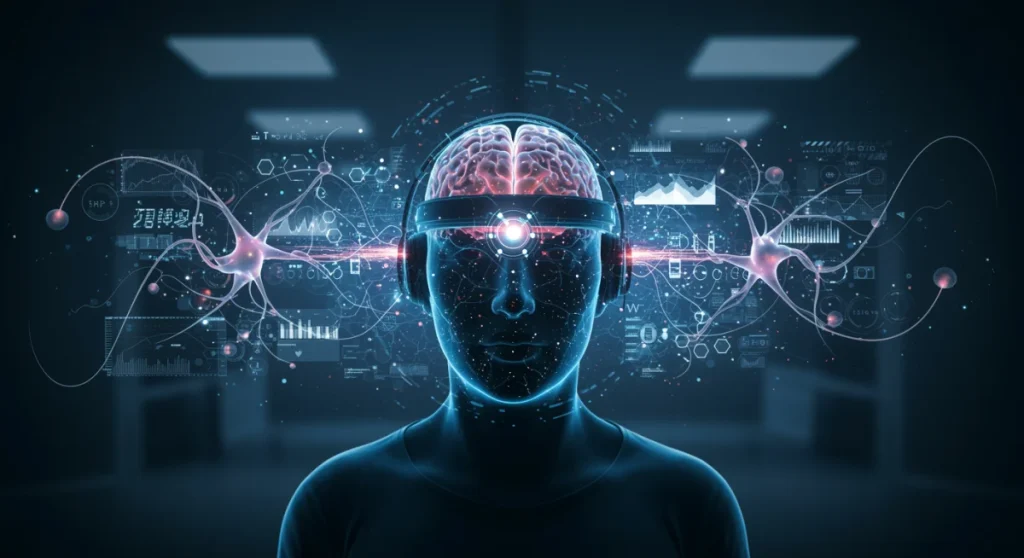
Neurofeedback techniques for 2026 are revolutionizing cognitive health by leveraging advanced brain training to optimize neural function, addressing various conditions and enhancing mental performance through targeted interventions.
Are you curious about the forefront of cognitive enhancement? The field of neurofeedback is rapidly evolving, offering innovative ways to optimize brain function. This article provides insider knowledge on three cutting-edge neurofeedback techniques 2026 that are gaining significant traction across the US, promising profound impacts on mental wellness and performance.
The Dawn of Advanced Neurofeedback: A New Era for Brain Health
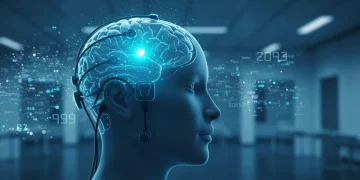
The landscape of brain health is undergoing a profound transformation, with neurofeedback emerging as a pivotal tool for cognitive enhancement and therapeutic intervention. This non-invasive training method allows individuals to gain greater control over their brainwave activity, leading to improved mental states and functions. As we look towards 2026, the refinement of existing technologies and the emergence of new methodologies are setting the stage for a revolution in how we approach brain optimization.
Historically, neurofeedback has been a niche practice, often associated with specific clinical applications. However, its increasing accessibility and demonstrable efficacy are propelling it into mainstream wellness discussions. The focus is shifting from merely addressing deficits to proactively enhancing cognitive performance, emotional regulation, and overall mental resilience. This broader application reflects a growing understanding of brain plasticity and our capacity for self-regulation.
Understanding the Core Principles
- Brainwave Activity: Neurofeedback targets specific brainwave frequencies (Delta, Theta, Alpha, Beta, Gamma) associated with different states of consciousness and cognitive functions.
- Real-time Feedback: Users receive immediate auditory or visual feedback on their brain activity, allowing them to learn to self-regulate.
- Neurological Plasticity: The brain’s ability to reorganize itself by forming new neural connections is fundamental to the long-term changes achieved through neurofeedback.
The foundational concept of neurofeedback lies in operant conditioning, where desirable brainwave patterns are reinforced. This process, repeated over multiple sessions, trains the brain to maintain more optimal states naturally. The beauty of this approach is its non-pharmacological nature, offering an alternative or complementary path to traditional treatments for a wide array of conditions, from ADHD to anxiety and depression.
The advancements anticipated by 2026 include more sophisticated algorithms for brainwave analysis, personalized training protocols, and more user-friendly interfaces. These innovations are crucial for making neurofeedback not only more effective but also more accessible to a broader population seeking to unlock their brain’s full potential.
LORETA Neurofeedback: Precision in 3D Brain Training
Among the most promising neurofeedback techniques 2026, Low Resolution Electromagnetic Tomography (LORETA) neurofeedback stands out for its unparalleled precision. Unlike traditional neurofeedback that measures brain activity from the scalp surface, LORETA delves deeper, providing a three-dimensional source localization of brain electrical activity. This allows clinicians to target specific brain regions with remarkable accuracy, making interventions highly effective.
LORETA technology utilizes advanced mathematical algorithms to estimate the electrical activity within the brain’s gray matter. This capability provides a detailed map of brain function, identifying areas of dysregulation that might be contributing to various cognitive or emotional challenges. By training these specific deep brain structures, LORETA neurofeedback offers a more tailored and potent approach to brain optimization.
How LORETA Enhances Treatment Outcomes
- Targeted Intervention: Directly addresses specific brain regions implicated in conditions like anxiety, depression, and PTSD.
- Deeper Brain Access: Reaches subcortical structures that are often inaccessible with surface electrode methods.
- Personalized Protocols: Allows for highly customized training based on individual brain maps and clinical needs.
The ability to visualize and train activity in structures such as the anterior cingulate cortex or the insula represents a significant leap forward. These areas are known to play crucial roles in emotional regulation, attention, and self-awareness. By normalizing activity in these regions, LORETA neurofeedback can lead to more profound and lasting changes in mental well-being and cognitive performance.
The rise of LORETA neurofeedback is particularly impactful for complex neurological and psychological conditions that have proven resistant to other forms of treatment. Its capacity for precise targeting minimizes the guesswork often associated with broader neurofeedback approaches, leading to more efficient and effective therapeutic journeys. Expect to see a greater integration of LORETA into mainstream clinical settings by 2026, solidifying its position as a leading technique.
Infra-Low Frequency (ILF) Neurofeedback: Subtlety, Yet Powerful
Infra-Low Frequency (ILF) neurofeedback is another technique rapidly gaining recognition for its profound effects, despite operating at brainwave frequencies so low they were once thought to be artifacts rather than meaningful signals. This method focuses on extremely slow brainwave oscillations, typically below 0.1 Hz, which are believed to play a fundamental role in brain regulation and central nervous system stability.
The power of ILF neurofeedback lies in its ability to influence the brain’s intrinsic regulatory networks. By providing feedback on these subtle, infra-low oscillations, practitioners can help individuals achieve deeper states of relaxation, reduce chronic pain, and improve emotional regulation. The training is often perceived as gentle yet remarkably effective, making it suitable for a wide range of individuals, including those with heightened sensitivities.
Key Benefits of ILF Neurofeedback
- Deep Regulation: Targets the brain’s fundamental regulatory systems for broad systemic improvements.
- Reduced Symptom Severity: Highly effective for conditions involving dysregulation, such as anxiety, trauma, and chronic pain.
- Enhanced Calmness: Promotes a profound sense of inner calm and improved emotional resilience.
Unlike traditional neurofeedback that often aims to increase or decrease specific brainwave bands, ILF neurofeedback focuses on optimizing the brain’s overall self-regulation capacity. This subtle approach can lead to significant shifts in an individual’s psychological and physiological state, often resulting in improvements in sleep, mood, and stress response. The feedback provided is usually tactile or auditory, guiding the brain towards more optimal infra-low frequency patterns.
As research continues to unveil the critical role of these infra-low frequencies in brain function, ILF neurofeedback is poised to become an even more prominent therapy. Its non-confrontational nature and effectiveness in addressing deep-seated dysregulation make it a valuable addition to the arsenal of neurofeedback techniques 2026, particularly for those seeking relief from chronic stress and trauma-related symptoms.
Z-Score Neurofeedback: Statistical Precision for Optimal Function
Z-Score neurofeedback represents a sophisticated evolution in brain training, leveraging statistical analysis to compare an individual’s brainwave patterns against a normative database of healthy brains. This technique moves beyond merely identifying absolute deviations in brain activity; it pinpoints how an individual’s brain activity statistically deviates from what is considered typical for their age and gender.
The core principle involves real-time comparison of a client’s EEG data with a healthy population’s data. Feedback is then provided when the client’s brain activity moves closer to the statistical norm (a Z-score of zero). This allows for highly precise and individualized training, aiming to guide the brain towards statistically optimal functioning rather than arbitrary targets.
Advantages of Z-Score Neurofeedback
- Data-Driven Approach: Uses extensive normative databases for highly individualized and statistically sound training.
- Multi-Parameter Training: Can train multiple brainwave parameters simultaneously, addressing complex dysregulations.
- Objective Assessment: Provides quantifiable measures of improvement based on statistical norms.
Z-Score neurofeedback is particularly effective for conditions where brainwave patterns are significantly aberrant, such as in cases of ADHD, learning disabilities, and certain mood disorders. By using a comprehensive database, practitioners can identify subtle yet significant deviations that might be overlooked by other methods. This leads to more targeted and efficient training protocols, accelerating the process of brain optimization.
The integration of advanced statistical modeling makes Z-Score neurofeedback a powerful tool for clinicians seeking objective and evidence-based approaches. Its ability to provide a clear roadmap for normalizing brain activity ensures that training is always moving towards statistically validated health parameters. This technique is expected to see widespread adoption by 2026, solidifying its place as a cornerstone of advanced neurofeedback practices.
Integrating Neurofeedback into Daily Wellness Routines
As these advanced neurofeedback techniques 2026 become more prevalent, their integration into daily wellness routines will be a significant trend. The goal is not just to address existing conditions but to foster proactive brain health and cognitive resilience. Imagine a future where brain training is as common as physical exercise, a regular practice for maintaining peak mental performance and emotional balance.
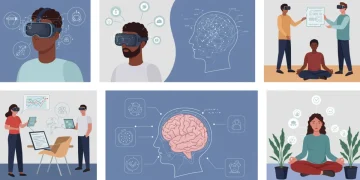
This integration will likely be facilitated by more portable and user-friendly neurofeedback devices, allowing individuals to engage in training sessions from the comfort of their homes. Wearable technology with embedded neurofeedback capabilities could offer subtle, continuous brainwave modulation throughout the day, optimizing focus, reducing stress, and improving sleep quality without disrupting daily activities.
The Future of Personalized Brain Training
- Home-based Systems: Development of accessible, consumer-grade neurofeedback devices for personal use.
- Gamified Training: Engaging applications that make brain training enjoyable and consistent.
- AI-driven Customization: Artificial intelligence adapting protocols in real-time based on individual progress and needs.
The shift towards personalized wellness means that neurofeedback protocols will become even more tailored. AI and machine learning algorithms will analyze individual data to recommend optimal training parameters, track progress, and adjust interventions dynamically. This level of customization ensures that each user receives the most effective brain training experience possible.
Furthermore, the growing body of research supporting neurofeedback’s efficacy will encourage its adoption in corporate wellness programs, educational settings, and sports performance training. The emphasis will be on enhancing mental acuity, improving stress management, and boosting overall cognitive function, making neurofeedback a valuable asset for anyone looking to thrive in a demanding world.
Challenges and Ethical Considerations for 2026
While the future of neurofeedback techniques 2026 looks bright, it is not without its challenges and ethical considerations. The rapid advancement of technology necessitates robust regulatory frameworks to ensure patient safety and the responsible application of these powerful tools. Ensuring that practitioners are adequately trained and certified will be paramount to maintaining public trust and clinical efficacy.
Accessibility remains a key concern. While the technology is becoming more sophisticated, its cost can still be a barrier for many. Efforts to make neurofeedback more affordable and covered by insurance will be crucial for widespread adoption. Moreover, the marketing of neurofeedback must be balanced, avoiding exaggerated claims and focusing on evidence-based benefits to manage public expectations.
Navigating the Future Responsibly
- Regulatory Oversight: Establishing clear guidelines for devices and practitioners to ensure safety and quality.
- Affordability and Access: Working towards making neurofeedback more widely available and covered by healthcare plans.
- Ethical Marketing: Promoting realistic expectations and evidence-based outcomes to build trust.
Another ethical dimension involves data privacy and security, especially as personal brainwave data becomes more routinely collected and analyzed. Safeguarding this sensitive information will be essential to prevent misuse and maintain patient confidentiality. The development of strict data protection protocols will need to keep pace with technological advancements.
Finally, ongoing research will be vital to thoroughly understand the long-term effects of neurofeedback and to refine protocols for various conditions. Collaborative efforts between researchers, clinicians, and technology developers will ensure that neurofeedback continues to evolve as a safe, effective, and ethically sound approach to enhancing cognitive health. Addressing these challenges proactively will ensure that neurofeedback realizes its full potential in the years to come.
| Key Technique | Brief Description |
|---|---|
| LORETA Neurofeedback | 3D source localization for precise deep brain region training, highly effective for complex conditions. |
| Infra-Low Frequency (ILF) | Focuses on subtle, slow brainwave oscillations for deep regulation, reducing pain and improving calm. |
| Z-Score Neurofeedback | Compares brain activity to normative databases for statistically optimal and personalized training. |
Frequently Asked Questions About Neurofeedback in 2026
The primary goal is to empower individuals to self-regulate their brainwave activity for improved cognitive function, emotional balance, and overall mental well-being. It’s moving towards proactive brain health and performance enhancement.
LORETA neurofeedback offers 3D source localization of brain activity, allowing for highly precise targeting of deep brain structures. This provides a more tailored and effective intervention compared to surface-level measurements.
Individuals experiencing chronic stress, trauma, anxiety, or pain often benefit greatly from ILF neurofeedback. Its gentle approach to regulating the brain’s fundamental systems promotes deep relaxation and emotional resilience.
Z-Score neurofeedback uses statistical analysis to compare individual brainwave patterns against a normative database. This ensures training is highly personalized and aims to guide brain activity towards statistically optimal functioning.
Yes, advancements in technology are leading to more portable and user-friendly devices, making neurofeedback increasingly accessible for home use. Efforts are also underway to improve insurance coverage and affordability.
Conclusion
The landscape of cognitive health is on the cusp of a significant transformation, with advanced neurofeedback techniques 2026 leading the charge. LORETA, ILF, and Z-Score neurofeedback represent the vanguard of brain optimization, offering unparalleled precision, gentle yet powerful regulation, and statistically validated approaches to mental wellness. As these technologies continue to evolve, they promise to unlock unprecedented levels of brain potential, moving beyond remediation to proactive enhancement. While challenges remain in terms of accessibility and ethical oversight, the trajectory for neurofeedback is clear: it is becoming an indispensable tool for anyone seeking to improve their cognitive function, emotional resilience, and overall quality of life in the years to come.