Practical Solutions for Burnout: 3 Science-Backed Self-Care Habits
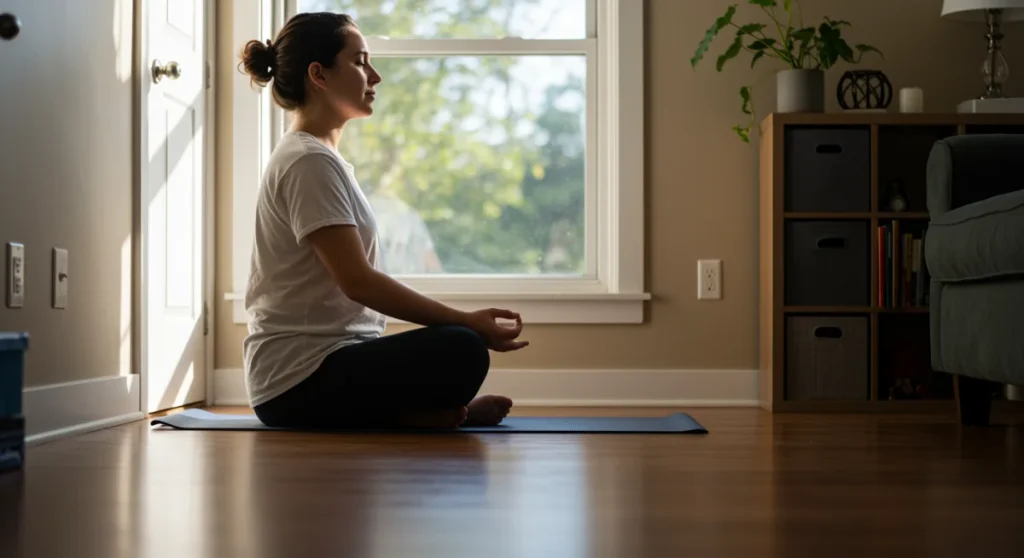
Practical solutions for burnout involve proactively integrating evidence-based self-care habits into daily routines to mitigate stress and foster sustained well-being.
Feeling overwhelmed, exhausted, and disconnected? You’re not alone. In today’s fast-paced world, burnout has become an all too common adversary, silently eroding our energy and passion. This article delves into Practical Solutions for Burnout: Implementing 3 Science-Backed Self-Care Habits This Quarter, offering actionable strategies to help you reclaim your vitality and foster a more balanced life.
Understanding Burnout: More Than Just Stress
Burnout is often mistakenly labeled as just severe stress, but it’s a distinct syndrome with far-reaching consequences. It’s a state of emotional, physical, and mental exhaustion caused by prolonged or excessive stress. The World Health Organization officially recognized burnout as an occupational phenomenon, highlighting its seriousness and widespread impact. Understanding its nuances is the first step toward effective self-care.
Unlike regular stress, which can be temporary and even motivating, burnout leaves individuals feeling depleted, cynical, and ineffective. It’s a gradual process, often creeping in unnoticed until its symptoms become undeniable. Recognizing these signs early is crucial for intervention and recovery.
The Three Dimensions of Burnout
Psychologists Christina Maslach and Susan Jackson identified three core dimensions of burnout. Each plays a significant role in how the condition manifests and impacts an individual’s life.
- Exhaustion: This is the most visible symptom, characterized by a profound lack of energy, both physical and mental. Daily tasks feel monumental, and recovery seems impossible.
- Cynicism (or Depersonalization): Individuals develop a detached or negative attitude toward their job, colleagues, and even clients. They may feel emotionally numb or indifferent.
- Reduced Efficacy: A feeling of incompetence and a lack of achievement. Despite working hard, those experiencing burnout often feel their efforts are futile and that they are not performing effectively.
These dimensions often feed into each other, creating a vicious cycle that is difficult to break without intentional intervention. Ignoring these signs can lead to more severe health issues, including anxiety, depression, and even cardiovascular problems. Therefore, identifying and addressing burnout early with practical solutions for burnout is paramount for long-term well-being.
Burnout is a complex issue stemming from various factors, including demanding work environments, lack of control, insufficient rewards, unfairness, conflicting values, and community breakdown. Addressing these root causes, alongside personal self-care, is essential for a comprehensive recovery strategy. Understanding these underlying mechanisms helps in formulating targeted interventions that go beyond superficial fixes, ensuring a more sustainable path to recovery and resilience.
Habit 1: Mindful Movement for Mental Clarity
In our increasingly sedentary lives, integrating mindful movement offers profound practical solutions for burnout. Mindful movement is not just about physical exercise; it’s about connecting the mind and body, bringing awareness to each motion, and using physical activity as a form of meditation. This practice can significantly reduce stress, improve mood, and enhance cognitive function, making it a powerful tool against burnout.
The beauty of mindful movement lies in its accessibility. It doesn’t require a gym membership or specialized equipment. It can be as simple as a brisk walk in nature, a gentle yoga session, or even conscious stretching. The key is to be fully present, noticing sensations, breath, and the environment around you, rather than letting your mind wander to stressors.
Integrating Mindful Walks into Your Routine
A mindful walk is an excellent starting point for incorporating mindful movement. Instead of rushing through your walk, take the time to engage your senses. Notice the sounds of birds, the feeling of the breeze on your skin, and the colors of the landscape. This simple act can transform a mundane activity into a restorative practice.
- Choose a peaceful environment: Parks, nature trails, or quiet neighborhoods are ideal.
- Focus on your breath: Coordinate your steps with your breathing, making each inhale and exhale deliberate.
- Engage your senses: Actively observe your surroundings without judgment. What do you see, hear, smell, and feel?
- Leave your phone behind: Minimize distractions to fully immerse yourself in the experience.
Studies show that spending time in nature, often referred to as ‘forest bathing’ or ‘green exercise,’ can lower cortisol levels, reduce blood pressure, and improve mood. This direct connection to the natural world offers a powerful antidote to the digital overload and constant demands that contribute to burnout.
Beyond walks, other forms of mindful movement include tai chi, Qigong, and even conscious dancing. These practices emphasize fluid movements, deep breathing, and mental focus, all of which contribute to stress reduction and mental clarity. By dedicating even 15-20 minutes daily to mindful movement, you can build a strong defense against the debilitating effects of burnout.
The goal is not to achieve a specific fitness level but to cultivate a deeper connection with your body and present moment. This intentional practice helps to break the cycle of rumination and worry, allowing your mind to rest and rejuvenate. Mindful movement is a cornerstone of effective practical solutions for burnout, promoting both physical health and mental resilience.
Habit 2: Strategic Disconnection from Digital Devices
In our hyper-connected world, the constant ping of notifications and the endless scroll of social media can be major contributors to burnout. Strategic disconnection, or digital detox, is a critical component among practical solutions for burnout. It involves intentionally stepping away from screens and digital demands to allow your mind to rest, recharge, and reconnect with the real world. This isn’t about abandoning technology entirely, but rather about setting healthy boundaries.
The pervasive nature of digital devices means we are always ‘on,’ blurring the lines between work and personal life. This constant availability can lead to mental fatigue, sleep disturbances, and a persistent state of low-level stress. By consciously creating periods of digital disconnection, you can reclaim your time, energy, and mental peace.
Setting Boundaries with Technology
Implementing strategic disconnection requires discipline and a clear plan. It’s about being proactive rather than reactive to digital demands. Start small and gradually increase your unplugged time.
- Designate ‘no-phone zones’: Keep your bedroom and dining table free from screens to promote relaxation and present-moment awareness.
- Schedule ‘digital-free hours’: Set specific times each day or week when you completely disengage from all digital devices. This could be an hour before bed or during meals.
- Turn off non-essential notifications: Reduce interruptions by disabling alerts for social media, non-urgent emails, and news apps.
- Utilize ‘do not disturb’ modes: Activate these features during focused work periods or personal time to minimize distractions.
The benefits of strategic disconnection extend beyond reducing stress. It can improve sleep quality, enhance focus, foster deeper personal relationships, and even spark creativity. When your mind isn’t constantly processing digital information, it has more space for reflection, problem-solving, and imaginative thought.

Consider replacing screen time with engaging offline activities. Read a physical book, pursue a hobby, spend time in nature, or connect with loved ones face-to-face. These activities provide genuine rest and rejuvenation, offering a stark contrast to the often-draining experience of endless digital consumption. By making strategic disconnection a regular habit, you empower yourself to manage your energy more effectively and create a more balanced and fulfilling life, making it one of the most vital practical solutions for burnout.
Habit 3: Prioritizing Restorative Sleep Hygiene
Sleep is not a luxury; it’s a fundamental biological necessity, especially when combating burnout. Prioritizing restorative sleep hygiene is one of the most impactful practical solutions for burnout. Chronic sleep deprivation exacerbates all the symptoms of burnout, from exhaustion and irritability to reduced cognitive function and weakened immunity. Improving your sleep habits can significantly accelerate recovery and build resilience against future stress.
Many people underestimate the power of consistent, quality sleep. It’s during sleep that our bodies repair themselves, our brains consolidate memories, and our emotional regulation systems reset. Without adequate rest, these vital processes are compromised, leaving us vulnerable to the cumulative effects of stress.
Establishing a Consistent Sleep Schedule
The cornerstone of good sleep hygiene is consistency. Going to bed and waking up at the same time every day, even on weekends, helps regulate your body’s natural sleep-wake cycle, known as the circadian rhythm. This consistency signals to your body when it’s time to be alert and when it’s time to wind down.
- Maintain a regular bedtime and wake-up time: Sticking to a schedule helps stabilize your circadian rhythm.
- Create a relaxing pre-sleep routine: Engage in calming activities like reading, taking a warm bath, or listening to soothing music an hour before bed.
- Optimize your sleep environment: Ensure your bedroom is dark, quiet, cool, and comfortable. Invest in a good mattress and pillows.
- Limit stimulants and heavy meals before bed: Avoid caffeine and nicotine in the late afternoon and evening, and large meals close to bedtime.
Beyond consistency, paying attention to your sleep environment and evening routine can make a significant difference. Dimming lights, avoiding screens, and engaging in quiet activities signal to your brain that it’s time to prepare for sleep. Conversely, exposure to bright lights, especially blue light from screens, can suppress melatonin production, making it harder to fall asleep.
If you struggle with sleep, consider consulting a healthcare professional. Underlying conditions like sleep apnea or insomnia may require specific interventions. However, for many, simply improving sleep hygiene can yield dramatic positive results. By making restorative sleep a non-negotiable priority, you equip your body and mind with the essential tools needed to recover from and prevent burnout, reinforcing its role as a key element in practical solutions for burnout.
Integrating Habits into Your Quarterly Plan
Implementing new habits effectively requires a strategic approach, especially when dealing with the challenges of burnout. It’s not enough to know what to do; you need a plan for how to do it consistently. Integrating these three science-backed self-care habits into your quarterly plan transforms them from good intentions into sustainable practices. This structured approach provides accountability and helps overcome resistance.
Think of your quarter as a fresh slate, an opportunity to build a more resilient and balanced version of yourself. Break down each habit into smaller, manageable steps and assign them to specific weeks or months. This prevents overwhelm and makes the process feel less daunting. Remember, consistency is more important than intensity when building new habits.
Actionable Steps for Habit Integration
To successfully embed these habits, consider these actionable steps:
- Set realistic goals: Don’t try to overhaul everything at once. Start with small, achievable targets, like 15 minutes of mindful movement three times a week.
- Schedule your self-care: Block out time in your calendar for your chosen habits, treating them with the same importance as work appointments.
- Track your progress: Use a journal, app, or simple checklist to monitor your consistency. Seeing your progress can be highly motivating.
- Find an accountability partner: Share your goals with a friend or family member who can offer support and encouragement.
- Be patient and flexible: There will be days when you miss a habit. Don’t let a slip-up derail your entire effort. Simply acknowledge it and get back on track the next day.
The cumulative effect of these small, consistent actions will lead to significant improvements in your overall well-being. By the end of the quarter, these habits should feel more natural and less like chores. This systematic integration is what makes these practical solutions for burnout truly effective and long-lasting.
Moreover, reflect regularly on how these habits are impacting your energy levels, mood, and productivity. This self-awareness allows you to adjust your approach as needed and reinforces the positive changes you are making. Celebrating small victories along the way also helps maintain motivation and commitment to your self-care journey.
Overcoming Common Obstacles to Self-Care
Even with the best intentions, implementing new self-care habits can be challenging. Life throws curveballs, and old patterns are hard to break. Recognizing and proactively addressing common obstacles is crucial for the successful adoption of these practical solutions for burnout. Many individuals face internal and external barriers that can derail their efforts, leading to frustration and a return to old, less healthy coping mechanisms.
One of the most prevalent obstacles is the belief that self-care is selfish or a luxury. In a culture that often glorifies constant productivity, taking time for oneself can feel counterintuitive or even guilt-inducing. However, viewing self-care as essential for sustained performance and well-being shifts this perspective, reframing it as a necessity rather than an indulgence.
Strategies for Sustaining Your Habits
To ensure your self-care habits stick, consider these strategies:
- Challenge self-limiting beliefs: Actively question thoughts that tell you self-care isn’t important. Remind yourself that you cannot pour from an empty cup.
- Anticipate setbacks: Understand that perfection is unattainable. Plan for days when you might struggle and have strategies in place to get back on track quickly.
- Build a supportive environment: Surround yourself with people who encourage your self-care efforts. Communicate your needs to loved ones and colleagues.
- Start small and build momentum: Overly ambitious goals can lead to burnout from self-care itself. Begin with micro-habits and gradually increase their duration or frequency.
- Seek professional support: If burnout feels overwhelming or you struggle to implement changes, a therapist or coach can provide guidance and personalized strategies.

Another significant obstacle is a lack of time. While modern life is undeniably busy, often the issue isn’t a lack of time, but a lack of prioritization. When self-care is viewed as a non-negotiable appointment, it finds its place in the schedule. Learning to say no to additional commitments and delegating tasks where possible can also free up valuable time for these essential practices.
Technology, while a source of stress, can also be an ally. Utilize apps for meditation, sleep tracking, or habit building to support your journey. However, ensure these tools enhance, rather than replace, genuine disconnection and mindful presence. By consciously addressing these common obstacles, you strengthen your commitment to yourself and ensure that these practical solutions for burnout become ingrained habits, leading to lasting well-being and resilience.
The Long-Term Benefits of Consistent Self-Care
While the immediate goal of implementing these self-care habits is to address and alleviate burnout, the long-term benefits extend far beyond immediate relief. Consistent self-care is not a temporary fix but a foundational practice for a thriving life. By regularly engaging in mindful movement, strategic digital disconnection, and restorative sleep, you are investing in your sustained physical, mental, and emotional health. These practices cultivate resilience, allowing you to navigate life’s inevitable challenges with greater ease and effectiveness.
The cumulative effect of these habits creates a virtuous cycle. As you feel better, you have more energy and clarity to make healthier choices, further reinforcing your well-being. This proactive approach transforms your relationship with stress, enabling you to respond to it constructively rather than being overwhelmed by it. It’s about building a robust internal toolkit that serves you throughout your life.
Cultivating Resilience and Sustainable Well-being
The sustained practice of these self-care habits leads to a myriad of long-term benefits:
- Enhanced mental clarity and focus: A rested mind can process information more efficiently, leading to better decision-making and increased productivity without the associated stress.
- Improved emotional regulation: Regular self-care helps stabilize mood, reducing irritability and increasing emotional resilience. You become better equipped to handle emotional upsets.
- Stronger physical health: From a bolstered immune system to improved cardiovascular health, consistent self-care has tangible physical benefits that reduce the risk of chronic diseases.
- Deeper interpersonal connections: When you are well-rested and less stressed, you have more capacity for empathy and genuine connection with others, strengthening your relationships.
- Increased sense of purpose and fulfillment: By taking care of yourself, you create space to pursue what truly matters, leading to a greater sense of meaning and satisfaction in life.
These long-term benefits underscore why integrating practical solutions for burnout into your daily life is not just about recovery, but about cultivating a life of sustained well-being. It’s a commitment to yourself that pays dividends in every area of your existence. This journey requires patience and persistence, but the rewards are profound, leading to a more vibrant, resilient, and joyful life. Embracing these habits transforms how you experience the world, moving from a state of exhaustion to one of empowered vitality.
| Key Habit | Brief Description |
|---|---|
| Mindful Movement | Connect mind and body through conscious physical activity like walking or yoga to reduce stress. |
| Strategic Digital Disconnection | Intentionally step away from screens to recharge, improve focus, and reconnect with offline life. |
| Restorative Sleep Hygiene | Prioritize consistent, quality sleep with regular schedules and optimized environments for recovery. |
Frequently Asked Questions About Burnout Solutions
The earliest signs of burnout often include persistent fatigue, increased irritability, difficulty concentrating, and a growing sense of detachment from work or daily activities. You might also notice a decline in job satisfaction and a feeling of being overwhelmed even by minor tasks. Recognizing these subtle shifts is crucial for early intervention.
Recovery time from burnout varies significantly depending on its severity and the individual’s commitment to self-care. Mild cases might improve within a few weeks to months, while severe burnout can take a year or more. Consistent implementation of self-care habits and addressing root causes are key to a lasting recovery.
Yes, science-backed self-care habits are powerful preventative measures against burnout. By consistently engaging in practices like mindful movement, strategic digital disconnection, and restorative sleep, individuals build resilience, manage stress effectively, and maintain their physical and mental energy reserves, significantly reducing burnout risk.
Feeling like you lack time for self-care is a common symptom of burnout itself. Even small, consistent efforts can make a difference. Start with 5-10 minutes of mindful movement, unplugging for an hour before bed, or ensuring a consistent sleep schedule. Prioritizing self-care is about making time, not finding it.
If your burnout symptoms are severe, persistent, or significantly impacting your daily life, it’s advisable to seek professional help. A therapist, counselor, or doctor can provide personalized strategies, rule out other conditions, and offer support for managing the emotional and psychological aspects of burnout effectively.
Conclusion
Burnout is a serious challenge in modern life, but it is not insurmountable. By committing to practical solutions for burnout through the consistent implementation of science-backed self-care habits—mindful movement, strategic digital disconnection, and restorative sleep hygiene—you can build a powerful defense against its debilitating effects. This quarter, make a deliberate choice to prioritize your well-being, transforming these habits into integral parts of your daily routine. The journey to recovery and sustained vitality begins with small, intentional steps, leading to a more balanced, resilient, and fulfilling life. Your well-being is worth the investment.