3-Month Blueprint: Cultivating Inner Peace for Americans in 2026
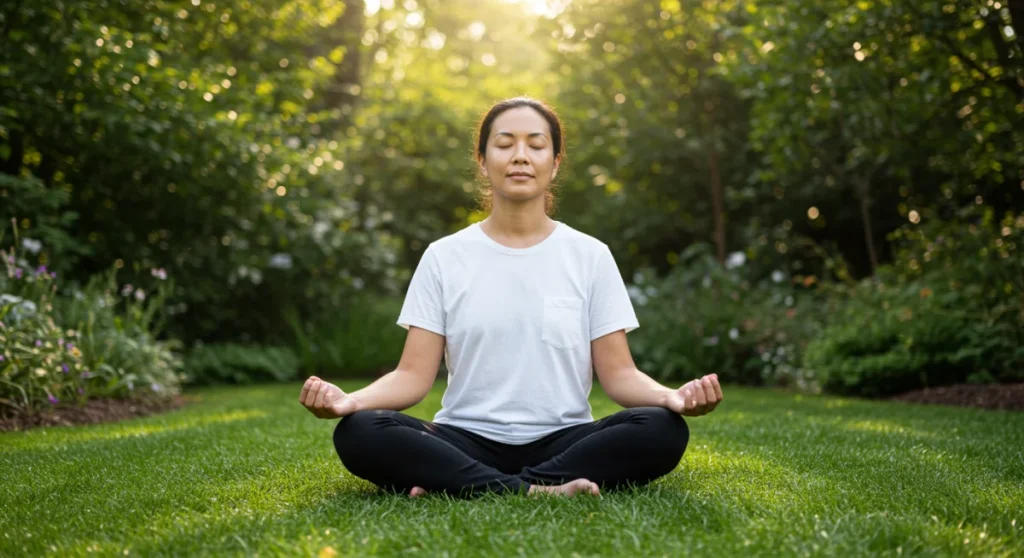
This 3-month blueprint offers Americans in 2026 practical mindful practices to cultivate inner peace, providing a structured approach to reduce stress, enhance emotional well-being, and foster a more balanced life amidst modern challenges.
In a world that often feels relentless, finding moments of calm and genuine tranquility can seem like a luxury. However, for many Americans, the pursuit of inner peace is becoming a necessity, not just a desire. This article outlines The 3-Month Blueprint: Cultivating Inner Peace with Mindful Practices for Americans in 2026, offering a clear, actionable path to foster lasting serenity and emotional balance in your daily life.
Understanding the Urgency of Inner Peace in Modern America
The pace of modern life in the United States, characterized by constant digital connectivity, economic pressures, and societal shifts, has inadvertently created an environment where stress and anxiety often take center stage. This pervasive sense of unease can significantly impact overall well-being, leading to burnout, decreased productivity, and strained relationships. Recognizing this urgency is the first critical step toward reclaiming a sense of calm and stability.
Many Americans today are grappling with a collective mental health crisis, where the lines between work and personal life blur, and the pressure to achieve seemingly endless goals can be overwhelming. The constant barrage of information from news cycles and social media further exacerbates feelings of inadequacy and fear. This blueprint aims to provide a structured escape from this cycle, offering practical tools to navigate these challenges with greater resilience and intention.
The modern American lifestyle and its impact
The relentless pursuit of success, often defined by external metrics such as wealth and status, can inadvertently lead to internal turmoil. This cultural conditioning can make it difficult for individuals to prioritize their mental and emotional health. The lack of emphasis on self-care and mindfulness in early education and societal norms contributes to a population that is often ill-equipped to handle the emotional demands of adulthood.
- Digital Overload: Constant notifications and endless scrolling contribute to mental fatigue and decreased attention spans.
- Work-Life Imbalance: The expectation to be always available blurs boundaries, leading to chronic stress and burnout.
- Societal Pressures: High expectations for success and material possessions can create feelings of inadequacy.
- Health Concerns: The link between chronic stress and physical ailments is well-documented, highlighting the need for proactive mental wellness.
Ultimately, understanding the profound impact of these factors is crucial for appreciating why a deliberate effort to cultivate inner peace is not merely a luxury, but a fundamental necessity for thriving in contemporary American society. This awareness sets the stage for engaging with the mindful practices outlined in this blueprint.
Month 1: Laying the Foundations with Mindfulness Basics
The first month of this blueprint focuses on establishing a solid foundation in mindfulness, introducing core practices that gently guide you into a state of present-moment awareness. The goal is not to eliminate thoughts or feelings, but rather to observe them without judgment, fostering a sense of detachment and clarity. This initial phase is crucial for retraining the mind to respond thoughtfully rather than react impulsively to life’s stressors.
Many people assume mindfulness requires hours of meditation, but it truly begins with small, consistent steps. These initial practices are designed to be integrated seamlessly into your daily routine, making them approachable and sustainable. Consistency, even in short bursts, is far more effective than infrequent, intense sessions.
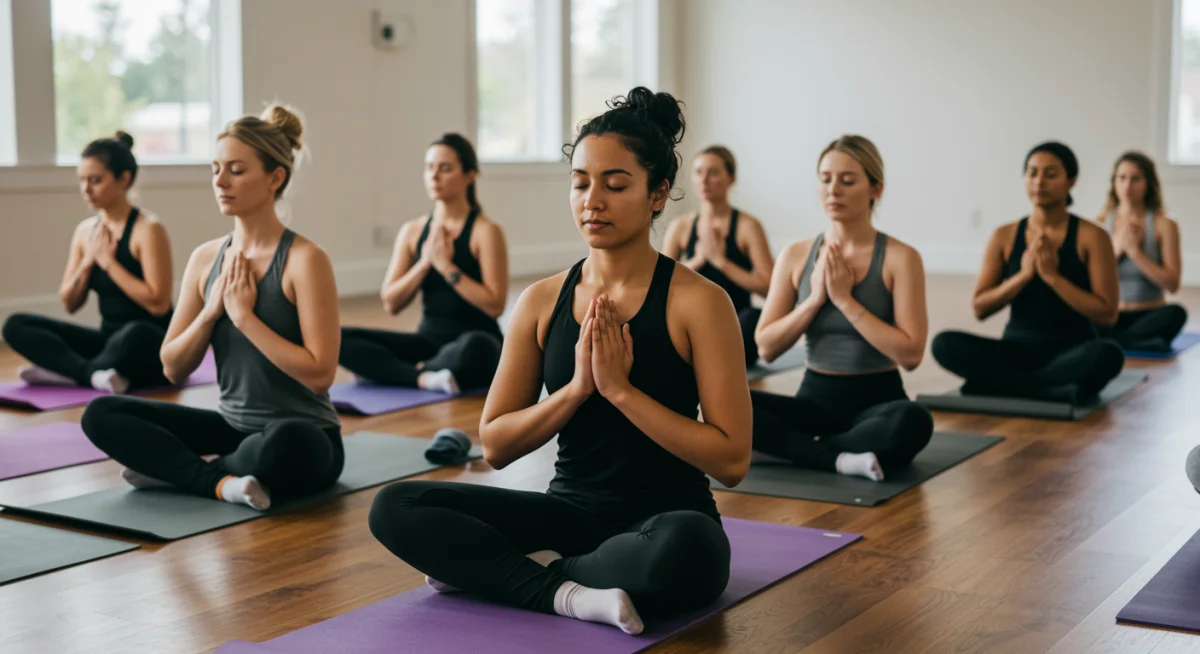
Daily conscious breathing exercises
Conscious breathing is the cornerstone of mindfulness. It’s a powerful tool that you carry with you everywhere, capable of calming the nervous system and bringing you back to the present moment. Start with just a few minutes each day, perhaps upon waking or before a meal.
- Diaphragmatic Breathing: Focus on breathing deeply into your belly, allowing your abdomen to rise and fall with each breath.
- Box Breathing: Inhale for four counts, hold for four, exhale for four, and hold for four. Repeat several times.
- Mindful Moments: Throughout the day, take three conscious breaths, noticing the sensation of air entering and leaving your body.
These simple breathing exercises serve as anchors, pulling your attention away from distractions and into the immediate experience. They are particularly useful during moments of stress or overwhelm, offering an immediate pathway to a calmer state.
Mindful eating and sensory awareness
Mindful eating involves paying full attention to the experience of eating, engaging all your senses. This practice helps to foster a deeper appreciation for food, improve digestion, and prevent overeating. It’s about savoring each bite and noticing the textures, flavors, and aromas without judgment.
Similarly, sensory awareness extends beyond eating to all aspects of your day. Take time to notice the sounds around you, the feeling of your clothes against your skin, or the sights you encounter on your daily commute. These practices heighten your connection to the present moment, diminishing the tendency to dwell on past regrets or future anxieties.
By dedicating the first month to these fundamental mindfulness practices, you actively begin to rewire your brain, fostering a greater capacity for peace and presence. This intentional engagement creates a fertile ground for deeper practices in the subsequent months.
Month 2: Deepening the Practice with Self-Compassion and Gratitude
As you progress into the second month, the focus shifts from basic awareness to cultivating specific emotional states that significantly contribute to inner peace: self-compassion and gratitude. These practices are powerful antidotes to self-criticism and dissatisfaction, fostering a more nurturing internal environment. They help to build emotional resilience and a positive outlook, even when faced with life’s inevitable challenges.
Developing self-compassion means treating yourself with the same kindness, care, and understanding you would offer a good friend. Gratitude, on the other hand, is the practice of acknowledging and appreciating the good things in your life, no matter how small. Together, they form a robust framework for sustained emotional well-being.
Integrating self-compassion into daily life
Self-compassion is often misunderstood as self-pity, but it is fundamentally about recognizing our shared humanity and accepting our imperfections. It involves three core components: self-kindness, common humanity, and mindfulness.
- Self-Kindness: Instead of harsh self-judgment, offer yourself understanding and warmth during difficult times. Try comforting self-talk or a gentle touch.
- Common Humanity: Remember that suffering and imperfection are part of the human experience; you are not alone in your struggles.
- Mindfulness of Suffering: Acknowledge your pain or discomfort without exaggerating or suppressing it. Observe it with a balanced awareness.
One practical way to integrate self-compassion is through a self-compassion break. When you notice you’re struggling, pause and acknowledge the feeling, remind yourself that this is part of being human, and offer yourself a kind phrase. This simple act can transform your emotional response.
The transformative power of a gratitude practice
Gratitude is more than just saying ‘thank you’; it’s a profound recognition of the value in your life. Regular gratitude practice has been consistently linked to increased happiness, improved physical health, and stronger relationships. It shifts your focus from what’s lacking to what is abundant.
Consider starting a gratitude journal, where you list three to five things you are grateful for each day. These don’t have to be grand gestures; they can be as simple as a warm cup of coffee, a sunny day, or a kind word from a colleague. The act of writing them down solidifies their impact. Another effective practice is expressing gratitude directly to others, which not only benefits you but also strengthens your connections.
By actively cultivating self-compassion and gratitude during month two, you begin to rewrite your internal narrative, moving away from self-criticism and towards a more appreciative and understanding view of yourself and your experiences. This emotional enrichment further solidifies your path to inner peace.
Month 3: Sustaining Peace Through Connection and Purpose
The final month of this blueprint focuses on sustaining the inner peace you’ve cultivated by fostering meaningful connections and discovering a deeper sense of purpose. While individual mindful practices are essential, human beings are inherently social creatures, and genuine connection plays a vital role in our emotional well-being. Furthermore, aligning your actions with your values can provide a profound sense of fulfillment and direction.
This stage is about extending your mindful awareness beyond yourself and into your relationships and the world around you. It’s about understanding that true inner peace is not isolated but flourishes when shared and when one feels a sense of belonging and contribution.
Cultivating meaningful connections
In an increasingly digital world, authentic human connection can sometimes feel elusive. However, strong social bonds are a powerful buffer against stress and loneliness. Consciously nurturing these relationships is a mindful practice in itself.
- Active Listening: When conversing, practice truly listening without interrupting or formulating your response. Give the other person your full attention.
- Expressing Appreciation: Regularly tell loved ones how much you value them and their presence in your life.
- Spending Quality Time: Prioritize face-to-face interactions over digital ones. Engage in shared activities that foster deeper bonds.
- Community Involvement: Join groups or volunteer for causes you care about, creating new avenues for connection and shared purpose.
These practices help to build a supportive network, reminding you that you are part of something larger than yourself. The joy and comfort derived from these connections are fundamental components of lasting inner peace.
Discovering and acting on personal purpose
A sense of purpose provides direction and meaning, helping you navigate challenges with greater resilience. It’s not necessarily about finding one grand calling, but rather identifying what truly matters to you and how you can contribute positively to the world, however small that contribution may seem.

Reflect on your values, your strengths, and what brings you genuine joy. Consider how these elements can be integrated into your daily life, whether through your work, hobbies, or community service. Even small acts aligned with your purpose can create a profound sense of fulfillment. For instance, if you value creativity, dedicating time to an artistic pursuit can be deeply restorative. If you value helping others, volunteering or mentoring can provide immense satisfaction.
By the end of this third month, you will have not only established a strong personal practice of mindfulness, self-compassion, and gratitude but also woven these elements into the fabric of your relationships and your sense of purpose. This holistic approach ensures that the inner peace you’ve diligently cultivated is deeply rooted and sustainable.
Overcoming Common Challenges on the Path to Peace
The journey toward cultivating inner peace is rarely a straight line; it often involves encountering challenges and setbacks. It’s crucial to recognize that these obstacles are a normal part of the process and not a sign of failure. Developing strategies to navigate these difficulties is just as important as the mindful practices themselves. Resilience in the face of adversity is a key component of lasting tranquility.
One of the most common hurdles is the expectation of immediate results. Inner peace is a practice, not a destination, and its benefits unfold gradually over time. Patience and persistence are your greatest allies.
Dealing with distractions and waning motivation
In our hyper-stimulated world, distractions are abundant. From digital notifications to internal chatter, maintaining focus on mindful practices can be difficult. Moreover, initial enthusiasm can wane, making it challenging to stick to your routine.
- Scheduled Practice: Treat your mindful practice like any other important appointment. Schedule it in your calendar and commit to it.
- Mindful Breaks: Instead of long sessions, integrate short, mindful breaks throughout your day. Even 60 seconds of conscious breathing can be beneficial.
- Accountability Partner: Share your goals with a trusted friend or family member who can offer encouragement and help keep you on track.
- Revisit Your ‘Why’: Regularly remind yourself of the reasons you started this journey – the desire for less stress, more clarity, greater happiness.
It’s okay to miss a day or feel unmotivated. The key is to acknowledge it without judgment and gently guide yourself back to your practice. Consistency over perfection is the mantra here.
Navigating setbacks and self-doubt
There will be days when old habits resurface, when stress feels overwhelming, or when self-doubt creeps in. These moments can be disheartening, but they are also opportunities for growth and deeper self-compassion.
When setbacks occur, avoid the trap of self-criticism. Instead, practice the self-compassion techniques learned in month two. Acknowledge the difficulty, remind yourself that everyone struggles, and offer yourself kindness. View setbacks as learning experiences, not failures. What did you learn from this moment? How can you approach it differently next time? Trust in the process and in your innate capacity for healing and growth. Remember that building resilience is a dynamic process, one that requires continuous effort and self-understanding.
Integrating Mindful Practices into the American Lifestyle in 2026
As we look towards 2026, the integration of mindful practices into the fabric of American daily life becomes increasingly vital. It’s not about adding another task to an already busy schedule but rather about transforming the way we approach existing activities. This integration fosters a culture where mental well-being is prioritized, and individuals feel empowered to manage the demands of modern living with greater ease and grace.
The goal is to weave mindfulness into the routines of work, family, and personal time, making it an inherent part of how Americans live, work, and interact. This shift moves mindfulness from an occasional activity to a foundational aspect of personal and collective health.
Mindfulness in the workplace and education
The American workplace is increasingly recognizing the benefits of mindfulness for productivity, employee well-being, and reduced burnout. Companies are implementing mindfulness programs, offering meditation spaces, and encouraging mindful breaks. This trend is likely to accelerate, making mindful practices a standard component of corporate wellness initiatives.
Similarly, integrating mindfulness into educational settings, from elementary schools to universities, can equip younger generations with essential emotional regulation skills. Teaching children and young adults how to be present, manage stress, and practice self-compassion can have a profound impact on their future mental health and overall success.
- Corporate Wellness Programs: More companies will offer structured mindfulness training and resources.
- Mindful Leadership: Leaders will be trained to lead with greater presence, empathy, and resilience.
- School Curricula: Mindfulness exercises and emotional intelligence training will become more common in classrooms.
- Stress Reduction Workshops: Educational institutions will provide workshops to help students cope with academic pressures.
These institutional integrations will normalize mindful practices, making them more accessible and less stigmatized for all Americans.
Personalizing your peace journey
While this blueprint provides a structured path, it’s essential to personalize your journey to inner peace. What works for one person may not work for another, and your needs will evolve over time. Regularly check in with yourself to assess what practices resonate most deeply and what adjustments might be necessary.
Experiment with different types of meditation, explore various forms of mindful movement like yoga or tai chi, or find creative outlets that help you stay present. The key is to discover what genuinely supports your well-being and to remain flexible in your approach. This adaptability ensures that your pursuit of inner peace remains a sustainable and deeply personal endeavor, continually evolving with your life’s journey.
Measuring Progress and Sustaining Your Inner Peace
Embarking on a journey to cultivate inner peace is a deeply personal and transformative experience, but how do you know if you’re making progress? Measuring your progress isn’t about achieving a perfect state of calm, but rather about recognizing subtle shifts in your emotional landscape, your reactions to stress, and your overall sense of well-being. Sustaining this peace requires ongoing commitment and the integration of these practices into a way of life, rather than seeing them as temporary fixes.
This final section focuses on practical ways to assess your growth and strategies for maintaining the tranquility you have diligently built over the three months. It’s about empowering you to be your own guide, equipped with the tools to navigate future challenges while preserving your newfound serenity.
Tracking your emotional well-being
While inner peace isn’t a quantifiable metric, you can track indicators of emotional well-being. Keeping a journal, as mentioned earlier, can be an excellent way to observe patterns in your moods, stress levels, and moments of calm. Note down specific instances where you reacted differently to a stressful situation than you would have before starting the blueprint.
- Mood Journaling: Briefly describe your mood each day, noting potential triggers or sources of joy.
- Stress Level Scale: Rate your overall stress on a scale of 1-10 at the beginning and end of each day.
- Mindful Moments Log: Keep a simple tally of how many times you engaged in a mindful practice, however brief, throughout the day.
- Reflection Questions: Periodically ask yourself: “Am I feeling more present?” “Do I react less impulsively?” “Do I experience more moments of genuine calm?”
These simple tracking methods provide valuable insights into your progress, allowing you to see the tangible benefits of your mindful practices and motivating you to continue.
Long-term strategies for sustained peace
To sustain inner peace beyond the three-month blueprint, it’s essential to view these practices not as a temporary program but as integral components of your lifestyle. Consistency is key, but so is flexibility and adapting your routine as life changes.
Consider establishing a daily non-negotiable “peace practice” – perhaps 10 minutes of meditation, mindful walking, or journaling – that you commit to regardless of how busy you are. Regularly revisit the principles of self-compassion and gratitude, especially during challenging times. Seek out communities or groups that share your commitment to mindfulness, as peer support can be incredibly powerful. Remember, inner peace is a journey of continuous learning and gentle refinement, a path that enriches every aspect of your existence.
| Key Blueprint Phase | Core Focus and Practices |
|---|---|
| Month 1: Foundations | Establishing basic mindfulness through conscious breathing and sensory awareness. |
| Month 2: Deepening Practice | Cultivating self-compassion and gratitude to foster emotional resilience. |
| Month 3: Sustaining Peace | Building meaningful connections and aligning with personal purpose for lasting well-being. |
| Ongoing Journey | Measuring progress and adapting practices for continuous growth and sustained tranquility. |
Frequently Asked Questions About Cultivating Inner Peace
Inner peace refers to a state of mental and emotional calm, free from stress and anxiety. In 2026, with increasing societal pressures and digital overload, it’s crucial for Americans to cultivate inner peace to maintain mental health, enhance resilience, and improve overall quality of life amidst modern challenges.
While individual experiences vary, many people report noticing subtle shifts in their emotional responses and stress levels within the first few weeks of consistent practice. Significant, lasting changes often begin to solidify around the 3-month mark, as highlighted in this blueprint, with continued benefits over time.
Mindful practices can be a valuable complementary tool for managing symptoms of anxiety and depression by promoting emotional regulation and stress reduction. However, they should not replace professional medical or psychological treatment. It’s always best to consult with a healthcare provider for severe conditions.
It’s perfectly normal to miss a day or face challenges with consistency. The key is to approach these moments with self-compassion, not self-criticism. Simply acknowledge the lapse without judgment and gently return to your practice the next opportunity you have. Progress is about consistency over perfection.
Integration is about mindful moments, not long sessions. Start with short, intentional practices like conscious breathing during commutes, mindful eating, or a 5-minute gratitude reflection before bed. Gradually weave these small acts into your existing routines, making them an inherent part of your day rather than an added burden.
Conclusion
The journey outlined in The 3-Month Blueprint: Cultivating Inner Peace with Mindful Practices for Americans in 2026 offers a clear, actionable pathway to profound emotional well-being. By systematically building foundations in mindfulness, deepening practices with self-compassion and gratitude, and sustaining peace through connection and purpose, individuals can navigate the complexities of modern American life with greater resilience and serenity. This isn’t merely a set of exercises but a transformative approach to living, empowering you to create a lasting sanctuary of calm within yourself, regardless of external circumstances. Embrace this blueprint, and unlock a more peaceful, fulfilling existence.