Beyond Burnout: Preventing Emotional Exhaustion in US Workforce

Preventing emotional exhaustion in the US workforce by 2026 requires a proactive, data-driven approach focusing on systemic changes and fostering resilient workplace cultures to safeguard employee well-being and productivity.
In today’s fast-paced professional landscape, the threat of burnout looms large, making the imperative to move beyond burnout: data-driven insights on preventing emotional exhaustion in the US workforce by 2026 more critical than ever. This article explores the nuanced challenges contributing to emotional exhaustion and unveils actionable, evidence-based strategies for organizations to cultivate a healthier, more sustainable work environment.
Understanding the Landscape of Emotional Exhaustion
Emotional exhaustion, a core component of burnout, represents a state of feeling emotionally overextended and depleted by one’s work. It’s not merely stress; it’s a chronic condition with severe impacts on individual well-being and organizational productivity. The US workforce, particularly, faces unique pressures that exacerbate this phenomenon, demanding a deeper, data-driven examination.
The Economic and Social Costs
The ramifications of emotional exhaustion extend far beyond individual suffering. Economically, it translates into significant costs for businesses through increased absenteeism, presenteeism (being physically present but mentally disengaged), higher turnover rates, and reduced innovation. Socially, it erodes employee morale and can foster a toxic work culture, impacting team cohesion and overall organizational health.
- Increased healthcare costs due to stress-related illnesses.
- Loss of institutional knowledge when experienced employees depart.
- Decreased creativity and problem-solving capabilities.
- Negative impact on customer service and client relationships.
By understanding these multifaceted costs, organizations can better appreciate the urgency of addressing emotional exhaustion proactively. The data unequivocally points to a future where workplace well-being is not a luxury but a strategic necessity for sustained success.
Leveraging Data for Proactive Prevention
Moving beyond anecdotal evidence, a data-driven approach is paramount in identifying, understanding, and ultimately preventing emotional exhaustion. This involves collecting and analyzing various data points to pinpoint stressors and evaluate intervention effectiveness.
Key Data Metrics to Monitor
Organizations can harness internal and external data to gain a comprehensive understanding of their workforce’s well-being. This includes anonymized employee surveys, performance reviews, absenteeism rates, and even sentiment analysis from internal communications. External benchmarks and industry reports also provide valuable context.
- Employee engagement and satisfaction scores.
- Turnover rates, particularly among high performers.
- Utilization of mental health resources and EAPs.
- Productivity metrics and project completion rates.
The proactive monitoring of these metrics allows leaders to identify emerging patterns and at-risk groups before exhaustion becomes widespread. It shifts the focus from reactive damage control to preventive strategy, fostering a more resilient workforce.
The Role of Leadership in Fostering Well-being
Effective leadership is a cornerstone in preventing emotional exhaustion. Leaders who prioritize employee well-being, demonstrate empathy, and create supportive environments can significantly mitigate the risk factors associated with burnout. Their actions and attitudes set the tone for the entire organization.
Empathy and Communication
Leaders must cultivate a culture of open communication where employees feel safe to express concerns without fear of reprisal. Empathetic leadership involves actively listening, acknowledging challenges, and offering support. This human-centric approach builds trust and fosters psychological safety.
Regular check-ins, transparent communication about organizational changes, and a willingness to discuss workloads openly are vital. When employees feel heard and understood, their sense of value and belonging increases, which can act as a buffer against emotional depletion. Such leadership creates a foundational layer of support that permeates all levels of the organization.
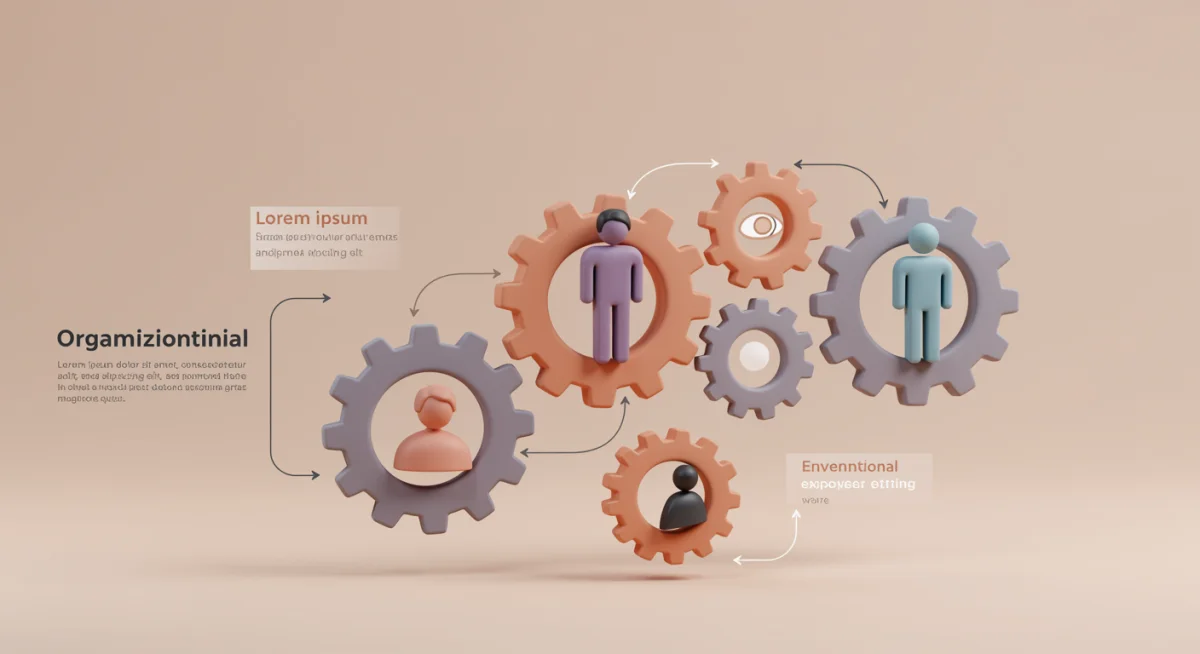
Moreover, leaders should be trained to recognize the early signs of emotional exhaustion in their teams. This isn’t about micromanagement, but about providing timely support and resources. A leader’s ability to model healthy boundaries and work-life integration is also crucial, demonstrating that well-being is genuinely valued.
Strategic Interventions for Sustainable Workflows
Beyond leadership, organizations need to implement concrete strategic interventions that redesign workflows and policies to prevent chronic stress and emotional overload. These interventions must be systemic, addressing the root causes rather than just the symptoms of exhaustion.
Optimizing Workload and Autonomy
Unmanageable workloads and a lack of control over one’s work are major contributors to emotional exhaustion. Companies should conduct regular workload assessments, distribute tasks equitably, and empower employees with greater autonomy over how and when they complete their work, where feasible.
Flexible work arrangements, such as remote work options or flexible hours, can also significantly improve work-life balance and reduce commuting stress. These strategies acknowledge that employees have lives outside of work and that supporting that balance ultimately benefits productivity and retention. The goal is to create a work environment where employees feel challenged but not overwhelmed, and where they have a sense of agency.
- Implementing project management tools for better task visibility.
- Encouraging regular breaks and discouraging excessive overtime.
- Providing opportunities for skill development and career growth.
- Establishing clear boundaries between work and personal time.
Cultivating a Culture of Well-being
A holistic approach to preventing emotional exhaustion involves embedding well-being into the organizational culture itself. This means moving beyond isolated wellness programs to a pervasive ethos that values employee health as much as financial performance.
Promoting Psychological Safety and Support
A psychologically safe environment is one where employees feel comfortable taking risks, expressing their opinions, and admitting mistakes without fear of negative consequences. This fosters innovation and reduces the emotional burden of constant self-censorship. Additionally, providing robust mental health support, including access to counseling and stress management resources, is crucial.
Organizations should actively de-stigmatize mental health discussions, making it clear that seeking help is a sign of strength, not weakness. This involves training managers to be supportive, offering confidential resources, and integrating mental health awareness into diversity and inclusion initiatives. When well-being is genuinely prioritized, employees are more likely to thrive.
Measuring Impact and Adapting Strategies
The journey to prevent emotional exhaustion is ongoing, requiring continuous measurement, evaluation, and adaptation of strategies. What works today might need adjustment tomorrow, making agility and responsiveness key components of a successful well-being program.
Continuous Feedback and Iteration
Regularly solicit feedback from employees through surveys, focus groups, and one-on-one discussions. This direct input is invaluable for understanding the effectiveness of current interventions and identifying new areas of concern. Based on this feedback, organizations should be prepared to iterate on their strategies.
Tracking the key data metrics discussed earlier (engagement, turnover, EAP utilization) will provide quantitative evidence of impact. A combination of qualitative and quantitative data offers the most comprehensive picture. This iterative process ensures that well-being initiatives remain relevant, effective, and truly responsive to the evolving needs of the US workforce, leading to sustainable improvements by 2026 and beyond.
| Key Strategy | Brief Description |
|---|---|
| Data-Driven Insights | Utilizing metrics like engagement scores and turnover to identify and address burnout risks proactively. |
| Empathetic Leadership | Leaders fostering psychological safety, open communication, and modeling healthy work-life boundaries. |
| Optimized Workflows | Implementing flexible work, balanced workloads, and autonomy to reduce chronic stress. |
| Culture of Well-being | Embedding mental health support and de-stigmatizing help-seeking within organizational values. |
Frequently Asked Questions About Preventing Emotional Exhaustion
Emotional exhaustion is a state of feeling emotionally drained and used up by one’s work, often characterized by a lack of energy and enthusiasm. It’s a key component of burnout, leading to detachment and reduced professional efficacy.
It’s crucial because emotional exhaustion leads to decreased productivity, higher absenteeism, increased healthcare costs, and elevated employee turnover. Proactive prevention safeguards employee well-being and ensures business sustainability and growth.
Data, such as employee engagement surveys, turnover rates, and EAP utilization, provides concrete insights into stress points and the effectiveness of interventions. This allows organizations to tailor strategies proactively rather than reactively.
Leaders are pivotal in fostering a supportive culture through empathy, clear communication, and promoting work-life balance. Their actions set the standard for psychological safety and directly influence employee stress levels and morale.
Practical strategies include optimizing workloads, offering flexible work arrangements, promoting psychological safety, providing mental health resources, and continuously soliciting employee feedback to adapt well-being initiatives effectively.
Conclusion
The journey to move beyond burnout and effectively prevent emotional exhaustion in the US workforce by 2026 is complex but entirely achievable. It demands a commitment to data-driven insights, empathetic leadership, strategic workflow optimization, and a deeply embedded culture of well-being. By prioritizing these elements, organizations can not only mitigate the risks of exhaustion but also cultivate a thriving, resilient workforce capable of sustained innovation and success, ensuring a healthier and more productive future for all.