Advertisement

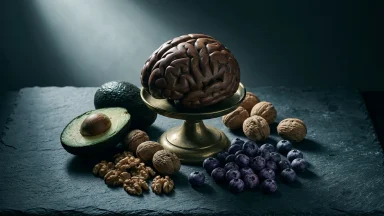
Have you ever stopped to consider how fundamental your brain is to everything you do? From breathing to solving complex problems, every action, thought and emotion is orchestrated by this remarkable organ. Yet we often neglect the specific nutrition it needs to work at full capacity. In an increasingly demanding world, with information flowing constantly and a permanent need to adapt, keeping the mind sharp matters more than ever. That is why this guide to the best brain foods for 2026 is so relevant.
Cognitive decline, memory loss and difficulty concentrating are not only problems of later life. More and more people of every age report challenges with brain function. The good news is that science has advanced quickly in understanding how diet can be a powerful ally in maintaining and even improving brain health. We are in 2026, and the most recent research gives us a clear map of which nutrients and foods are genuine heroes for the brain.
This article is not simply a list of ingredients; it is a look into the neuroscience of nutrition, explaining why certain foods have such a significant effect. We will explore the mechanisms behind their benefits, offer practical advice on bringing them into your routine and, most importantly, give you the knowledge to make food choices that genuinely improve your cognitive capacity, your memory and your long-term mental well-being. Get ready to give your brain a boost and guard against decline with the best brain foods available.
The Gut–Brain Connection and the Neuroscience of Nutrition
Before we get to specific foods, it helps to understand the science behind the approach. Nutritional neuroscience is an expanding field studying how nutrients and bioactive compounds in food affect brain structure and function, as well as behaviour and mood. One of the most fascinating findings of recent years is the deep connection between the gut and the brain, often called the gut–brain axis.
Advertisement
The gut–brain axis: a constant conversation
Your gut is home to trillions of microorganisms known collectively as the gut microbiome. Far from being mere passengers, these bacteria play a vital part in your overall health, including your brain health. They produce neurotransmitters such as serotonin, which influences mood and sleep, along with short-chain fatty acids that nourish brain cells and modulate inflammation. An imbalance in the gut microbiome has been associated with a range of neurological and psychiatric conditions, from anxiety and depression to neurodegenerative disease.
The vagus nerve is one of the main communication routes between gut and brain, carrying signals in both directions. What happens in your gut can therefore affect your brain directly, and vice versa. Foods rich in prebiotic fibre and probiotics, for example, can support a healthy microbiome, which in turn benefits cognitive function. Understanding that connection is the first step to optimising your diet for your brain.
Inflammation, oxidative stress and brain health
Two other silent enemies of brain health are chronic inflammation and oxidative stress. Inflammation is a natural response to injury or infection, but when it becomes chronic and low-grade it can damage brain cells and contribute to cognitive decline. Oxidative stress occurs when there is an imbalance between the production of free radicals — unstable molecules that can damage cells — and the body’s capacity to neutralise them with antioxidants.
Advertisement
Many of the brain foods we are about to discuss are rich in antioxidants and anti-inflammatory compounds. They act as protective shields, countering these harmful processes and preserving the integrity of neural cells. Choosing a diet rich in them means not only feeding your body but fortifying your brain against ageing and the pressures of modern life.
The 7 Best Brain Foods: Your Essential Guide
Drawing on recent research and our understanding of nutritional neuroscience, here is a list of the seven most powerful foods for boosting your mind in 2026. Meet your new allies in the pursuit of better cognition, stronger memory and protection against decline.
1. Oily fish (salmon, sardines, mackerel): the kings of omega-3
If there were a king among brain foods, it would be oily fish. Rich in omega-3 fatty acids, especially DHA and EPA, these fish are crucial to brain health. DHA is a major structural component of brain cell membranes, essential to communication between neurons. EPA, in turn, has potent anti-inflammatory properties.
- Benefits for the brain: They improve memory, learning, mood and processing speed. They protect against age-related cognitive decline and reduce the risk of neurodegenerative disease such as Alzheimer’s, and they help reduce inflammation in the brain.
- How to eat them: Aim for two to three portions of oily fish a week. Wild salmon, sardines, mackerel and trout are excellent choices. If you do not eat fish, consider a high-quality fish oil supplement, always with professional guidance.
2. Blueberries and other dark berries: small antioxidant bombs
Blueberries are often called a superfood for the brain, and for good reason. They are packed with antioxidants, especially flavonoids such as the anthocyanins that give them their vivid colour. These compounds cross the blood–brain barrier and accumulate in areas of the brain responsible for learning and memory.
- Benefits for the brain: They protect against oxidative stress and inflammation, improve communication between neurons, increase blood flow to the brain and, in animal studies, have reversed some cognitive decline. They also improve short-term memory and motor coordination.
- How to eat them: Add fresh or frozen blueberries to breakfast (yoghurt, porridge), smoothies, or eat them as a healthy snack. Other dark berries such as blackberries, raspberries and cherries offer similar benefits.
3. Nuts and seeds (especially walnuts and pumpkin seeds): essential nutrients
Walnuts in particular have been associated with better brain health. They are an excellent source of the omega-3 fatty acid ALA, along with vitamin E, folate and antioxidants. Pumpkin seeds are rich in zinc, magnesium, copper and iron — minerals crucial to brain function.
- Benefits for the brain: They improve memory and cognitive function and protect against oxidative stress. Zinc is vital to nerve signalling, magnesium to memory and learning, copper to nerve health and iron to preventing brain fog.
- How to eat them: A handful of nuts or seeds a day is enough. Add them to salads, yoghurt or cereal, or eat them as a snack. Almonds, Brazil nuts and chia seeds are also good options.
4. Dark leafy greens (spinach, kale, broccoli): micronutrient powerhouses
Spinach, kale, broccoli and other dark leafy greens are genuine nutritional powerhouses for the brain. They are loaded with vitamin K, lutein, folate and beta-carotene, all of which play important protective roles.
- Benefits for the brain: Vitamin K is essential to the formation of sphingolipids, a type of fat found in brain cells, and has been associated with better memory. Folate helps reduce levels of homocysteine, an amino acid that in excess can be toxic to the brain. Lutein and beta-carotene are antioxidants that protect against cognitive decline.
- How to eat them: Include dark leafy greens in your daily meals. Salads, stir-fries, green juices, or simply adding them to soups and omelettes are easy ways to increase your intake.
5. Avocado: good fat for the brain
Avocado is one of the most versatile and beneficial brain foods. Rich in healthy monounsaturated fats that support healthy blood flow to the brain, and also in vitamin K and folate, it is a powerful ally for cognition.
- Benefits for the brain: It improves brain function and supports concentration and memory. The healthy fats in avocado can also reduce the risk of high blood pressure, which is linked to cognitive decline.
- How to eat it: Add avocado to salads, sandwiches or smoothies, or make guacamole. It is a good substitute for butter or mayonnaise in many recipes.
6. Dark chocolate: a pleasure with cognitive benefits
Good news for chocolate lovers. Dark chocolate with at least 70 per cent cocoa is rich in flavonoids, caffeine and antioxidants. Cocoa flavonoids improve blood flow to the brain, increase neuroplasticity and may even stimulate the production of new neurons.
- Benefits for the brain: It improves mood, memory, reaction time and problem-solving. The caffeine and theobromine in dark chocolate can increase alertness and focus.
- How to eat it: Enjoy a small square of high-quality dark chocolate (70 per cent cocoa or more) as a snack. Avoid varieties high in sugar and milk, which cancel out the benefits.
7. Eggs: a complete source of brain nutrients
Eggs are an affordable and complete source of essential brain nutrients. They are rich in choline, B vitamins (B6, B9 and B12) and high-quality protein. Choline is a precursor of acetylcholine, a neurotransmitter crucial to memory and learning.
- Benefits for the brain: Choline is vital to brain development and cognitive function. B vitamins play a fundamental part in reducing homocysteine levels and protecting against cognitive decline. Protein supplies the amino acids needed for neurotransmitter synthesis.
- How to eat them: Eggs are incredibly versatile — boiled, scrambled, fried, poached or added to all sorts of recipes. Include them at breakfast or as part of a light meal.
How to Build Brain Foods Into Your Daily Diet
Knowing about brain foods is only the first step. The real challenge is incorporating them consistently. Here are some practical strategies for making brain-friendly eating an easy and enjoyable part of your day:
Planning is fundamental
Just as you plan other important activities, set aside time to plan your meals. That might include:
- A smarter shopping list: Prioritise the seven foods above, alongside other vegetables, fruit and lean protein.
- Preparing in advance: Cook large batches of grains, roast vegetables or prepare portions of fish so you have healthy options ready for the week.
- Strategic snacks: Keep frozen blueberries, nuts and seeds to hand for quick, nutritious snacks instead of processed options.
Vary and experiment
Do not limit yourself to one or two of these foods. Diversity is the key to getting a full spectrum of nutrients. Try new recipes that include these ingredients. For example:
- Morning smoothies with blueberries, spinach and chia seeds.
- Colourful salads with dark leafy greens, avocado, walnuts and smoked salmon.
- Omelettes with vegetables and a pinch of turmeric, another spice with brain benefits.
Hydration and other healthy habits
No food, however powerful, can compensate for unhealthy habits. Remember that adequate hydration is vital to brain function, so drink plenty of water through the day. Regular exercise, quality sleep and stress management are non-negotiable pillars of brain health too. Brain foods work in synergy with these other factors to maximise their benefits.
Myths and Facts About Brain Foods
With so much information circulating, it is easy to fall for marketing claims or outdated advice. Let us clear a few things up:
Myth: supplements can replace a healthy diet
The reality: Supplements such as omega-3 or B vitamins can be useful in cases of deficiency or to complement a diet, but they are not a substitute for varied, nutrient-rich eating. Whole foods offer a complex matrix of nutrients that work together, which is hard to replicate in a pill. Always prioritise brain foods in their natural form.
Myth: only expensive foods are good for the brain
The reality: Many of the best brain foods are affordable. Sardines, eggs, beans, lentils and leafy greens are all cheap and nutritionally dense. What matters is nutrient density, not price.
Myth: a single food can cure cognitive problems
The reality: Brain health is the result of a whole lifestyle, not one magic food. The consistent combination of brain foods alongside other healthy habits is what makes the real long-term difference to preventing and managing cognitive problems.
The Future of Brain Nutrition
Research in brain nutrition continues to evolve, bringing new perspectives and reinforcing existing knowledge. Personalised nutrition, based on individual genetics and microbiome, is a promising area that may eventually offer still more precise dietary recommendations for optimising brain function. The basic principles of a diet rich in whole, minimally processed, nutrient-dense foods remain the foundation, however.
The challenges ahead include access to nutritious food for everyone, countering misinformation and pushing back against the marketing of ultra-processed products that harm brain health. Choosing brain foods consciously means investing in your own health and also supporting a healthier, more sustainable food system.
Conclusion: Feed Your Brain, Change Your Life
Optimising your brain health is a continuing and deeply rewarding journey. By bringing these seven brain foods into your daily diet — oily fish, blueberries, nuts and seeds, dark leafy greens, avocado, dark chocolate and eggs — you give your most vital organ the nutrients it needs to work at its best. Remember, small consistent changes to your eating habits can produce large improvements in cognitive capacity, memory, focus and general well-being.
Do not wait for cognitive problems to appear before you start looking after your brain. Start nourishing your mind with the right foods today. Your brain will thank you, and you will reap the rewards of a clearer, sharper and more resilient mind for years to come. Invest in yourself; invest in your brain. This complete guide is your starting point for a smarter, fuller life.