Build Resilience Against Stress: 6 Steps by 2025

Building resilience against stress by 2025 involves a proactive, multi-faceted approach, integrating psychological strategies, mindful practices, and supportive lifestyle changes to fortify mental and emotional well-being effectively.
In an increasingly demanding world, learning how to build resilience against stress is not merely beneficial; it’s essential for navigating life’s complexities with grace and strength. By 2025, prioritizing mental fortitude will be paramount, and this guide offers a clear, actionable path to developing robust coping mechanisms and fostering lasting emotional well-being.
Understanding the Landscape of Stress in 2025
The modern era, particularly as we approach and move beyond 2025, presents unique stressors that demand a proactive approach to mental health. From the relentless pace of technological advancement to global uncertainties, stressors are evolving, making traditional coping mechanisms sometimes insufficient. Recognizing these new challenges is the first step toward building effective resilience.
Stress is not inherently negative; it’s the body’s natural response to demands. However, chronic or unmanaged stress can lead to significant physical and mental health issues. Our goal isn’t to eliminate stress, but to enhance our capacity to adapt to it, learn from it, and recover quickly from its effects. This adaptive capacity is what we refer to as resilience.
The Evolving Nature of Stressors
Digital overload and constant connectivity contribute significantly to modern stress. The blurring lines between work and personal life, coupled with the pressure of social media, create an environment ripe for anxiety and burnout. Understanding these specific triggers allows us to tailor our resilience-building strategies more effectively.
- Information Overload: Constant influx of news and data can overwhelm cognitive capacities.
- Digital Burnout: Extended screen time and virtual interactions can lead to fatigue.
- Global Uncertainties: Economic shifts and geopolitical events contribute to widespread anxiety.
Moreover, the expectation of constant productivity and availability can erode personal boundaries, making it difficult to find moments of true rest and recovery. This constant state of ‘on-call’ can deplete our mental resources, making us more vulnerable to the detrimental effects of stress. Developing a clear understanding of these modern stressors is fundamental to crafting a personalized resilience strategy.
Ultimately, building resilience means equipping ourselves with the tools to not only withstand these pressures but also to thrive amidst them. It’s about developing a psychological immune system that can effectively combat the challenges of contemporary life, ensuring that by 2025, we are not just surviving, but flourishing.
Step 1: Cultivating Self-Awareness and Emotional Intelligence
The journey to building resilience begins within, specifically through a deep understanding of our own emotions and reactions. Self-awareness is the bedrock upon which all other resilience strategies are built. It involves recognizing our emotional triggers, understanding our habitual responses to stress, and identifying our personal strengths and vulnerabilities.
Emotional intelligence, a close cousin to self-awareness, extends this understanding to how we perceive and manage emotions in ourselves and others. Developing both allows us to respond to stressful situations with intention rather than mere reaction, transforming potential crises into opportunities for growth.
Practices for Enhanced Self-Awareness
Engaging in regular self-reflection is a powerful tool for cultivating self-awareness. Journaling, for instance, provides a private space to explore thoughts and feelings without judgment, helping to identify patterns and underlying causes of stress. Mindfulness meditation also plays a crucial role, training the mind to observe thoughts and emotions without getting swept away by them.
- Journaling: Documenting daily experiences, thoughts, and feelings.
- Mindfulness Meditation: Focusing on the present moment to observe internal states.
- Body Scans: Paying attention to physical sensations as indicators of emotional states.
By consistently practicing these techniques, individuals can gain invaluable insights into their inner world. This not only helps in recognizing early signs of stress but also in understanding the specific ways stress manifests in their body and mind. Such insights are critical for effective stress intervention and for building the mental muscle needed for resilience.
Furthermore, understanding our emotional landscape enables us to develop more effective coping strategies. When we know what triggers us and how we typically react, we can proactively choose healthier responses. This proactive management of emotions is a cornerstone of true resilience, allowing us to maintain balance even when external circumstances are turbulent.
Step 2: Developing Strong Social Connections
Humans are inherently social beings, and our connections with others play a vital role in our ability to cope with stress and build resilience. A strong social support network acts as a buffer against adversity, providing emotional comfort, practical assistance, and diverse perspectives during challenging times. Isolation, conversely, can exacerbate feelings of stress and vulnerability.
Nurturing meaningful relationships—whether with family, friends, or community members—is an investment in our mental and emotional health. These connections offer a sense of belonging and validation, reminding us that we are not alone in our struggles. They provide a space to share burdens and celebrate successes, both of which are crucial for maintaining psychological well-being.
The Power of Community and Support
Active engagement in social activities, volunteering, or joining clubs can expand our support network and introduce us to new perspectives. These interactions can provide fresh insights into our problems and offer alternative solutions we might not have considered on our own. The act of giving and receiving support strengthens bonds and reinforces our sense of interconnectedness.
- Open Communication: Sharing thoughts and feelings with trusted individuals.
- Active Listening: Being present and engaged when others share their experiences.
- Community Involvement: Participating in group activities or volunteer work.
Building strong social connections is not just about having people to lean on; it’s also about being a source of support for others. This reciprocal exchange fosters empathy and strengthens communal ties, creating a more resilient collective. By 2025, with increasing digital interactions, making a conscious effort to cultivate in-person connections will be even more critical.
The quality of these relationships matters more than the quantity. Focus on nurturing a few deep, trusting relationships rather than a multitude of superficial ones. These genuine connections provide the emotional security and practical assistance necessary to navigate life’s inevitable ups and downs, significantly enhancing our ability to build resilience.
Step 3: Practicing Mindfulness and Stress Reduction Techniques
In our fast-paced world, the ability to slow down, be present, and intentionally manage stress is invaluable. Mindfulness, the practice of being fully aware of the present moment without judgment, is a powerful tool for stress reduction and for enhancing our capacity to build resilience. It helps us observe our thoughts and feelings from a distance, preventing them from overwhelming us.
Alongside mindfulness, various stress reduction techniques can be integrated into daily life to create a robust defense against chronic stress. These practices are not a luxury but a necessity, allowing our minds and bodies to rest and recalibrate. Regular engagement with these techniques helps to lower cortisol levels, improve mood, and enhance cognitive function.
Effective Stress Reduction Approaches
Deep breathing exercises are simple yet profoundly effective methods for calming the nervous system. By consciously regulating our breath, we can signal to our bodies that it’s safe to relax, interrupting the stress response. Progressive muscle relaxation, another technique, involves tensing and then relaxing different muscle groups to release physical tension.
- Mindful Breathing: Focusing on the sensation of breath to anchor oneself in the present.
- Progressive Muscle Relaxation: Systematically tensing and relaxing muscle groups.
- Guided Imagery: Using visualization to create a sense of peace and calm.
Integrating these practices into a daily routine, even for just a few minutes, can yield significant benefits. Consistency is key; just like physical exercise strengthens the body, regular mindfulness and stress reduction practices strengthen the mind’s ability to cope with pressure. By 2025, these techniques will be widely recognized as foundational for mental health.
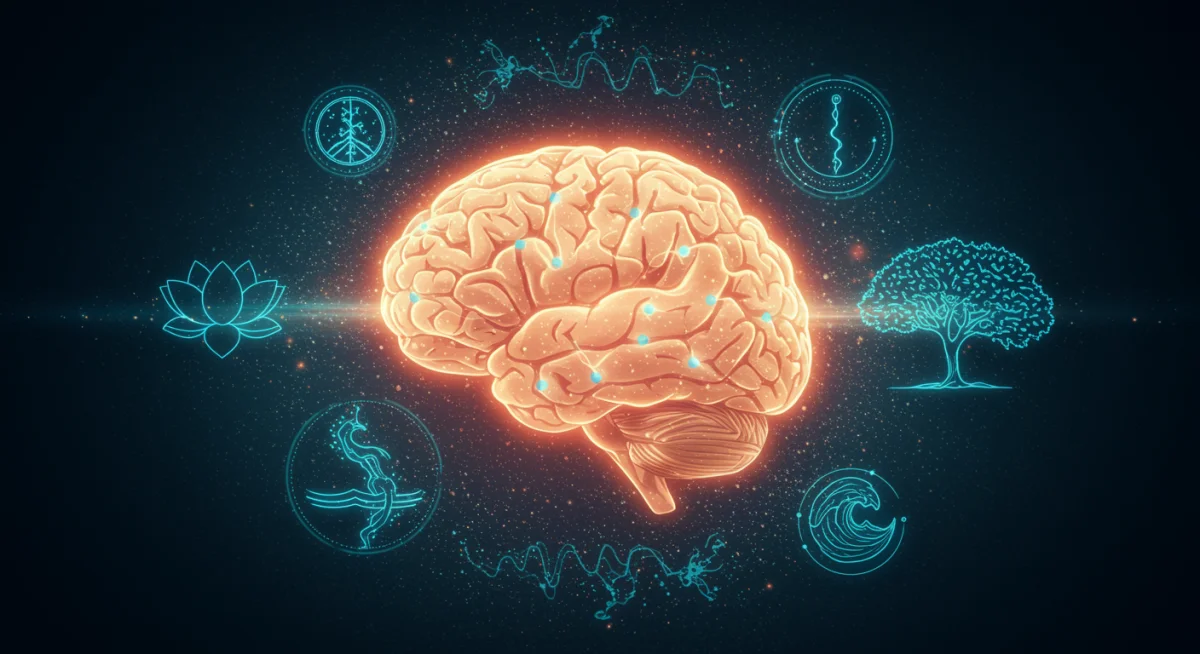
Beyond formal practices, simply taking short breaks throughout the day to stretch, walk outdoors, or listen to calming music can contribute to overall stress reduction. These small acts of self-care accumulate, helping to prevent the buildup of chronic stress and fostering a more resilient mindset.
Step 4: Fostering a Growth Mindset and Adaptability
A significant component of resilience is the ability to view challenges not as insurmountable obstacles, but as opportunities for learning and growth. This perspective is rooted in a growth mindset, where intelligence and abilities are seen as malleable and capable of development, rather than fixed traits. Embracing this mindset allows individuals to adapt more readily to change and adversity.
Adaptability is crucial in an ever-changing world. It involves being flexible in our thinking, open to new ideas, and willing to adjust our plans when circumstances shift. Those with a growth mindset are more likely to persevere through setbacks, viewing failures as valuable feedback rather than definitive judgments of their capabilities.
Embracing Challenges as Opportunities
To cultivate a growth mindset, it’s important to reframe negative self-talk and challenge limiting beliefs. Instead of saying, “I can’t do this,” try, “I haven’t mastered this yet.” This subtle shift in language can profoundly impact how we approach difficulties. Seeking out new experiences and learning new skills also reinforces the idea that our capacities are expandable.
- Positive Self-Talk: Replacing negative thoughts with constructive affirmations.
- Learning from Mistakes: Analyzing setbacks to extract valuable lessons.
- Seeking New Experiences: Stepping outside comfort zones to encourage personal development.
Encouraging a sense of curiosity and a willingness to experiment also contributes to adaptability. When we are curious, we are more likely to explore different solutions to problems and embrace uncertainty. This open-mindedness is a powerful asset in building resilience, as it allows us to navigate unforeseen challenges with greater ease and inventiveness.
By 2025, the ability to pivot and innovate will be highly prized, both personally and professionally. Fostering a growth mindset helps us not only to survive but to thrive in dynamic environments, ensuring that we remain resourceful and optimistic in the face of change. This internal strength is key to long-term resilience.
Step 5: Prioritizing Physical Health and Well-being
The mind and body are intricately connected, and neglecting one inevitably impacts the other. Prioritizing physical health is a fundamental step in building resilience against stress. A healthy body provides a strong foundation for a resilient mind, enhancing our energy levels, improving mood, and boosting our capacity to cope with daily pressures.
Regular physical activity, a balanced diet, and adequate sleep are not just recommendations; they are critical pillars of mental well-being. When our physical health is optimized, we are better equipped to handle stress, recover from setbacks, and maintain emotional stability. Conversely, poor physical health can amplify the negative effects of stress, making us more susceptible to burnout.
Key Pillars of Physical Well-being
Engaging in consistent exercise, even moderate activity like walking, can significantly reduce stress hormones and stimulate the production of endorphins, which have mood-boosting effects. Aim for a mix of cardiovascular, strength, and flexibility exercises to promote overall fitness. A balanced diet rich in whole foods, fruits, and vegetables provides essential nutrients for brain function and energy.
- Regular Exercise: Incorporating physical activity into daily routines.
- Nutrient-Rich Diet: Consuming balanced meals to fuel body and mind.
- Adequate Sleep: Ensuring 7-9 hours of quality sleep per night.
Sleep is particularly critical for resilience. During sleep, the body repairs itself, and the brain processes information and consolidates memories. Chronic sleep deprivation impairs cognitive function, emotional regulation, and our ability to cope with stress, making us more irritable and less resilient. Establishing a consistent sleep schedule and creating a conducive sleep environment are vital.
Hydration also plays a crucial role in maintaining physical and mental performance. Even mild dehydration can lead to fatigue, headaches, and impaired concentration, all of which can exacerbate feelings of stress. By making conscious choices to prioritize our physical health, we build a robust internal system that is better able to withstand the demands of modern life and support our efforts to build resilience.
Step 6: Setting Realistic Goals and Practicing Self-Compassion
In the pursuit of resilience, it’s easy to fall into the trap of perfectionism or to set unrealistic expectations for ourselves. This can lead to increased stress and self-criticism, undermining our efforts. The sixth and final step focuses on setting achievable goals and practicing self-compassion, recognizing that we are all imperfect and that setbacks are a natural part of any growth process.
Realistic goal setting involves breaking down larger aspirations into smaller, manageable steps. This approach makes goals seem less daunting and provides a sense of accomplishment as each smaller step is achieved, building momentum and confidence. It’s about progress, not perfection.
Embracing Imperfection and Kindness to Self
Self-compassion means treating ourselves with the same kindness, understanding, and acceptance we would offer a good friend. It involves recognizing our shared humanity, understanding that suffering and personal inadequacy are experiences common to all, rather than isolating us. When we practice self-compassion, we are less likely to dwell on failures and more likely to learn from them with a constructive mindset.
- SMART Goals: Ensuring goals are Specific, Measurable, Achievable, Relevant, and Time-bound.
- Mindful Self-Talk: Challenging harsh inner criticism with gentle, supportive thoughts.
- Acceptance of Imperfection: Recognizing that mistakes are part of the learning process.
Practicing self-compassion also involves giving ourselves permission to rest and recharge without guilt. In a culture that often glorifies constant busyness, taking time for self-care can feel counterintuitive, but it is essential for preventing burnout and maintaining long-term resilience. By 2025, the understanding that self-care is a core component of productivity and well-being will be more prevalent.
Ultimately, building resilience is a continuous journey, not a destination. It requires ongoing effort, self-reflection, and a willingness to adapt. By setting realistic goals and treating ourselves with compassion, we create a supportive internal environment that allows us to grow, heal, and face future challenges with unwavering strength and a positive outlook.
| Key Step | Brief Description |
|---|---|
| Self-Awareness | Understand your emotions and reactions to stress. |
| Social Connections | Nurture meaningful relationships for support. |
| Mindfulness Practices | Engage in stress reduction techniques daily. |
| Growth Mindset | View challenges as opportunities for growth. |
Frequently Asked Questions About Building Resilience
The most important aspect is self-awareness. Understanding your emotional triggers and reactions allows you to choose proactive, healthier responses instead of merely reacting to stress. This foundational insight informs all other resilience-building strategies effectively.
While some immediate relief from stress reduction techniques can be felt, building deep, lasting resilience is a gradual process. Consistent practice over weeks and months will lead to noticeable improvements in your ability to cope and recover from adversity.
Resilience is not an innate trait; it is a set of behaviors, thoughts, and actions that can be learned and developed over time. Through consistent effort and the application of practical strategies, anyone can enhance their capacity for resilience.
Strong social connections provide essential emotional support, diverse perspectives, and a sense of belonging, acting as a crucial buffer against stress. They remind us we are not alone and offer practical help during challenging times, significantly boosting our coping abilities.
A growth mindset helps you view challenges as opportunities for learning and development rather than insurmountable obstacles. This perspective fosters adaptability, perseverance, and a willingness to embrace change, all vital for building robust resilience and navigating life’s ups and downs effectively.
Conclusion
Building resilience against stress by 2025 is an achievable and necessary goal for anyone seeking a balanced and fulfilling life. By systematically implementing these six practical steps—cultivating self-awareness, fostering strong social connections, practicing mindfulness, developing a growth mindset, prioritizing physical health, and embracing self-compassion—individuals can significantly enhance their capacity to navigate adversity. This journey requires consistent effort and a commitment to personal growth, but the rewards of a more resilient mind and spirit are immeasurable, empowering us to face the future with confidence and strength.