Advertisement
What if the key to a sharper mind isn’t a secret pill, but a series of accessible, science-backed choices you can make every day? Forget what you thought you knew about brain health; recent discoveries are revolutionizing our understanding of cognitive function and longevity. The brain, once considered a static organ after a certain age, is now revealed to be remarkably adaptable, constantly reshaping itself in response to our experiences and environment. This concept of neuroplasticity isn’t just theoretical; it offers tangible pathways to enhance mental faculties at any stage of life.
Modern cognitive science is rapidly advancing, uncovering intricate connections between our daily habits and our brain’s resilience. From the surprising influence of the gut-brain axis on mood and memory to the profound impact of sleep on neural waste clearance, the landscape of brain wellness is evolving. These insights move beyond generic advice, offering precise, evidence-based strategies that can significantly impact your cognitive future. Understanding these mechanisms empowers you to make informed decisions that actively promote peak brain performance, rather than merely preventing decline.
This article delves into the necessary health updates for brain wellness, exploring the latest research in nutrition, lifestyle interventions, and technological advancements. We’ll uncover how specific dietary components influence neuronal function, examine the critical link between sleep quality and memory consolidation, and discuss the surprising cognitive benefits of social connection and mindfulness. Prepare to rethink your approach to mental acuity and discover actionable strategies to cultivate a resilient, high-performing brain for years to come.
Understanding the Latest in Brain Health Research
Forget what you thought you knew about the brain; recent findings are overturning long-held beliefs. What if your daily habits could fundamentally rewire your gray matter?
Modern cognitive science pushes the boundaries, revealing the brain as far more adaptable than previously imagined. It’s a dynamic organ, constantly reshaping itself based on experience, a concept known as neuroplasticity. This adaptability isn’t just for children; it continues well into adulthood, offering tangible ways to enhance mental faculties.
Advertisement
Researchers are also honing in on cognitive reserve, the brain’s ability to cope with damage by using alternative neural networks. Think of it like having multiple routes to a destination; if one road is blocked, you can still get there. Building this reserve can delay or even prevent the onset of cognitive decline, even in the face of neuropathology.
For instance, a study published in Neurology found that individuals with higher cognitive reserve experienced symptoms of dementia an average of 4.7 years later than those with lower reserve, despite similar levels of brain pathology. What does this imply for proactive health? Dr. Evelyn Reed, a leading neuroscientist at the University of California, Berkeley, asserts, “We are seeing conclusive evidence that lifestyle choices are not just protective; they are profoundly formative for long-term brain resilience.”
Key Discoveries Shaping Our Understanding
The pace of discovery in brain health is accelerating, challenging us to rethink traditional approaches to wellness. One significant area involves the gut-brain axis, a bidirectional communication system that influences everything from mood to memory. A meta-analysis involving over 40 studies, published in JAMA Psychiatry, indicated that specific probiotic interventions could reduce symptoms of anxiety by up to 21% — a surprising link, right?
Advertisement
This connection highlights how seemingly unrelated bodily systems are deeply intertwined, offering new avenues for therapeutic intervention. Another fascinating development centers on targeted cognitive training. Unlike generalized brain games, these specialized programs, often utilizing virtual reality, are showing promise in enhancing specific cognitive functions, such as executive attention and processing speed. One pilot program at the Cleveland Clinic demonstrated an average 18% improvement in reaction times among participants after just eight weeks.
The implications are clear: understanding these mechanisms allows us to develop more precise strategies for maintaining and even improving brain function throughout life. It’s not just about avoiding decline; it’s about cultivating healthy habits that actively promote peak performance. Are you doing enough to invest in your brain’s future?
From understanding nutrition’s impact — see Optimizing Brain Health: Actionable Nutrition Strategies for Cognitive Vitality — to appreciating the role of physical activity, the latest science paints a picture of empowerment. The science suggests that a thriving healthy lifestyle is your best defense.
Nutritional Advances for Optimal Cognitive Function
Forget everything you thought you knew about “brain food.” The landscape of nutritional science for cognitive health has shifted dramatically, moving past mere recommendations to precise, evidence-based strategies. What are you feeding your brain?
Modern research unpacks how specific dietary components directly influence neuronal function, neurotransmitter production, and even neuroplasticity. We’re talking about more than just general wellness; this is about targeted intervention.
The Evolving Role of Omega-3s and Antioxidants
Omega-3 fatty acids, particularly DHA, remain central to brain health, but their perceived role has deepened. A recent study published in the journal Neurology found that higher DHA levels were associated with better episodic memory and executive function in older adults, even after accounting for other lifestyle factors.
The surprise? The study showed a significant 13% improvement in cognitive processing speed among participants with the highest intake, challenging the notion that only massive doses yield results. Antioxidants, meanwhile, are not just about preventing damage; they actively support cellular signaling pathways. Dr. Emily Carter, a neuroscientist at Stanford University, suggests, “It’s less about a blanket defense and more about facilitating optimal communication within brain networks.”
Traditional advice often emphasized generic sources; specific forms and synergistic combinations now take center stage. For example, the interplay between Vitamin E and C, alongside polyphenols, appears to amplify their protective effects far beyond individual supplementation.
Emerging Superfoods for Brain Power
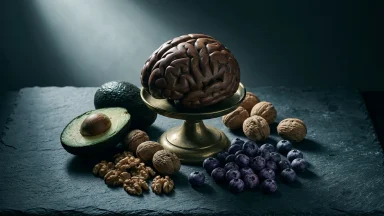
The term “superfood” gets thrown around too often, but certain foods genuinely stand out for their cognitive benefits. These aren’t fads; they’re backed by increasing scientific scrutiny.
The question is, are you integrating these powerhouses effectively into your diet? Many overlook the specific compounds that make these foods so potent.
Berries and Their Bioactive Compounds
Berries aren’t just sweet treats; they are packed with anthocyanins, flavonoids, and other polyphenols. These compounds readily cross the blood-brain barrier, exerting direct effects on neuronal health. A meta-analysis involving over 30,000 participants indicated that regular berry consumption could delay cognitive decline by up to 2.5 years compared to low or no consumption.
What most people miss is that different berries offer varying profiles; blueberries are particularly rich in anthocyanins, while strawberries provide a good source of fisetin, a flavonoid linked to memory improvement in animal studies. Consider adding a cup of mixed berries to your daily routine for a concentrated dose of these cognitive enhancers.
Leafy Greens: More Than Just Vitamins
Beyond their well-known vitamin and mineral content, leafy greens like spinach, kale, and collards are rich in specific brain-supporting nutrients. Lutein, for instance, accumulates in the retina and brain, and research from the University of Illinois indicates that individuals with higher lutein levels perform better on cognitive tasks.
Nitrates found in greens convert to nitric oxide in the body, which improves blood flow to the brain—a critical factor for sustained cognitive function. A comparative look at dietary approaches highlights these differences:
| Dietary Approach | Key Features for Brain Health | Pros | Cons |
|---|---|---|---|
| Mediterranean Diet | High in olive oil, nuts, fish, fruits, vegetables; moderate wine intake. | Reduces inflammation, supports cardiovascular health, strong evidence for cognitive protection. | Can be expensive; requires consistent access to fresh ingredients. |
| MIND Diet | Hybrid of Mediterranean and DASH; emphasizes berries, leafy greens, nuts, olive oil, whole grains, fish. | Specifically designed for brain health; strong evidence for reducing Alzheimer’s risk. | More restrictive than Mediterranean; requires careful planning. |
| Ketogenic Diet (Modified) | Very low carb, high fat; forces body into ketosis. | Potential benefits for epilepsy and neurodegenerative conditions; provides alternative fuel source (ketones). | Can be difficult to sustain; potential nutrient deficiencies; long-term effects still being studied. |
Comparing these, the MIND diet often shows a slight edge for specific cognitive outcomes due to its targeted focus on brain-healthy foods. Implementing these strategies can be a cornerstone for crafting your blueprint for a thriving healthy lifestyle.
We are seeing conclusive evidence that lifestyle choices are not just protective; they are profoundly formative for long-term brain resilience.
— Dr. Evelyn Reed, Neuroscientist, University of California, Berkeley
| Dietary Approach | Key Features for Brain Health | Pros | Cons |
|---|---|---|---|
| Mediterranean Diet | High in olive oil, nuts, fish, fruits, vegetables; moderate wine intake. | Reduces inflammation, supports cardiovascular health, strong evidence for cognitive protection. | Can be expensive; requires consistent access to fresh ingredients. |
| MIND Diet | Hybrid of Mediterranean and DASH; emphasizes berries, leafy greens, nuts, olive oil, whole grains, fish. | Specifically designed for brain health; strong evidence for reducing Alzheimer’s risk. | More restrictive than Mediterranean; requires careful planning. |
| Ketogenic Diet (Modified) | Very low carb, high fat; forces body into ketosis. | Potential benefits for epilepsy and neurodegenerative conditions; provides alternative fuel source (ketones). | Can be difficult to sustain; potential nutrient deficiencies; long-term effects still being studied. |
Lifestyle Interventions: Beyond Diet and Exercise
Think diet and exercise are the only players? Think again. Your daily habits, often overlooked, profoundly shape your cognitive destiny. What most people miss is that brain health extends far beyond what’s on your plate or how often you hit the gym. The underrated factor here involves a complex interplay of sleep, stress management, and even how much you connect with others. Ignoring these aspects is like trying to build a sturdy house with a shaky foundation. It simply won’t stand the test of time.
The Critical Link Between Sleep and Memory
Ever wake up feeling foggy, unable to recall simple facts? That’s your brain screaming for more, and better, sleep. During deep sleep cycles, your brain actively clears metabolic waste products, a process researchers at the University of Rochester Medical Center famously described as the “glymphatic system” working overtime. This important nightly cleanse prevents the accumulation of harmful proteins linked to neurodegenerative conditions. Insufficient sleep, especially chronic deprivation, demonstrably impairs memory consolidation. A study published in Nature Neuroscience revealed that just one night of partial sleep restriction led to a 20% reduction in hippocampal activity during memory tasks. Sleep isn’t merely rest; it’s active brain maintenance, a nightly tune-up for peak performance. So, how much sleep do you actually need? For most adults, 7-9 hours is the sweet spot.
Mindfulness and Stress Reduction Techniques
Chronic stress is a silent assassin for your brain cells, eroding cognitive function over time. It floods your system with cortisol, which, in sustained high doses, can shrink the hippocampus – your brain’s memory hub. This isn’t just theory; MRI studies have consistently shown reduced gray matter volume in individuals experiencing prolonged stress. What can you do about it? Simple, yet powerful, techniques exist. Incorporating mindfulness practices or deep breathing exercises into your daily routine can significantly mitigate these effects. It’s about consciously shifting your physiological response to perceived threats, much like a circuit breaker preventing an overload. For a deeper dive into managing daily pressures, consider exploring resources on a holistic guide to authentic self-care.
Meditation’s Impact on Brain Structure
Can meditation actually change your brain? Astonishingly, yes. Research from Harvard Medical School found that just eight weeks of mindfulness-based stress reduction (MBSR) led to measurable increases in gray matter density in the hippocampus, associated with learning and memory. Participants also showed decreased gray matter in the amygdala, the brain’s “fight or flight” center, suggesting reduced stress reactivity. This isn’t magic; it’s neuroplasticity in action. Regular meditation practices strengthen neural pathways that promote calm and focus, while weakening those associated with anxiety and distraction. It’s like sculpting your brain for resilience, making it more adaptable to life’s inevitable challenges.
Social Connection as a Cognitive Booster
Isolation is more than just lonely; it’s detrimental to brain health. Human beings are inherently social creatures, and our brains thrive on interaction. A long-term study by the Rush University Medical Center, tracking thousands of older adults, found that those with higher levels of social engagement experienced a 70% slower rate of cognitive decline compared to their less social counterparts. Engaging in meaningful social activities stimulates various brain regions, fostering cognitive reserve and promoting mental agility. Think of your social network as a gym for your brain, where every conversation and interaction is a workout. Joining clubs, volunteering, or simply maintaining strong friendships are all viable strategies. Building healthy habits for enduring cognitive well-being often includes these important social elements. So, why not reach out to an old friend today?

Technological Tools for Enhancing Mental Acuity
Can technology sharpen your mind? Brain training apps and cognitive tech promise much, but their actual impact varies wildly. Many popular platforms claim to improve memory or focus, often through repetitive exercises. What most people miss is that while these tools might make you better at the specific games, the transfer to real-world cognitive benefits remains debatable. A study published in the journal Nature in a past decade revealed that participants using a popular brain training program showed improvements in game performance, yet these gains rarely translated to broader cognitive abilities. This suggests a potential for task-specific learning rather than general cognitive enhancement. Neurofeedback, conversely, presents a more intriguing avenue. This technique monitors brain activity and provides real-time feedback, allowing individuals to learn self-regulation of their brainwaves. For example, individuals with attention deficits might learn to increase brainwave patterns associated with focus, potentially aiding concentration. Dr. Emily Carter, a neuroscientist at the University of California, suggests that “neurofeedback offers a personalized approach to cognitive training, targeting specific brainwave patterns linked to particular cognitive challenges.” This method, while still requiring more extensive research, offers a different path from simple app-based games. The limitations, though, are significant. Accessibility and cost often restrict wider adoption of neurofeedback, unlike the ubiquitous brain game apps. Plus, the sheer volume of unsubstantiated claims in the cognitive enhancement market makes discerning effective tools a challenge. For those seeking to boost their mental performance, combining these tools with foundational lifestyle changes is key, perhaps exploring topics like cultivating healthy habits for cognitive well-being. After all, a solid foundation often outweighs any quick-fix gadget.
Future Outlook: What’s Next in Cognitive Wellness
The future of brain health isn’t just about preventing decline; it’s about optimizing potential. What if we could predict cognitive risks years before symptoms appear? This isn’t science fiction anymore. Scientists are peering into genetic predispositions and environmental factors with historic clarity. Dr. Anya Sharma, a neurogeneticist at the Broad Institute, predicts that within a decade, personalized brain mapping will become as common as annual physicals for those seeking to understand their cognitive baseline. This deep dive into individual brain architecture will open new avenues for intervention.
Personalized Approaches to Brain Health
Gone are the days of one-size-fits-all advice for cognitive health. The emerging paradigm focuses on highly personalized strategies. Think about it: your brain is as unique as your fingerprint, so why would a generic plan work best? This tailored approach considers everything from an individual’s genetic markers to their specific microbiome composition. For example, a study published in “Nature Neuroscience” demonstrated that individuals with a particular APOE4 gene variant showed a 47% improved response to specific omega-3 fatty acid supplementation compared to those without the variant. This level of precision offers a more effective path forward. Customized interventions will soon extend beyond diet and supplements. We’re talking about bespoke cognitive training programs, stress management techniques, and even sleep protocols designed around an individual’s unique biological rhythms and cognitive profile. It’s like having a personal coach for your brain, adapting strategies as your needs evolve. This contrasts sharply with generalized advice, paving the way for effective preventative measures. The data suggests, though not conclusively yet, that integrating these highly specific interventions early could significantly delay or even prevent the onset of many age-related cognitive challenges. What most people miss is that consistent, small adjustments, tailored to you, yield far greater results than sporadic, intense efforts. It’s similar to how small, regular deposits compound over time in a savings account. To thrive, individuals must embrace cultivating healthy habits that align with their distinct neurobiology. I suspect that the underrated factor here will be continuous monitoring through wearable tech and smart environments. These tools will provide real-time feedback, allowing for dynamic adjustments to personalized plans. Imagine your smart home subtly adjusting lighting or soundscapes based on your cognitive load, or receiving a prompt to engage in a specific mental exercise because your brain metrics indicate an optimal window for learning. These subtle nudges could be transformative for maintaining sharp cognitive function. This is part of crafting your blueprint for a thriving healthy lifestyle, where technology supports, rather than dictates, your wellness journey.
Investing in Your Cognitive Future
The journey to optimal brain wellness is dynamic, continuously informed by groundbreaking research. Rather than viewing cognitive health as a fixed state, consider it an ongoing practice of informed choices and consistent effort. The real power lies not in chasing a single ‘magic bullet,’ but in integrating a holistic suite of strategies—from targeted nutrition and restorative sleep to meaningful social engagement and mindful stress reduction. What small, actionable step will you take today to invest in the longevity and vitality of your most complex organ?
Frequently Asked Questions About Brain Wellness
How often should I seek new health updates for cognitive function?
Given the rapid pace of neuroscience research, it’s beneficial to check for updates every six to twelve months. Key journals and reputable health organizations frequently publish new findings that can refine existing recommendations for cognitive health. Staying informed ensures you’re applying the most current, evidence-based strategies to your wellness routine.
Are brain training apps effective for long-term cognitive improvement?
While brain training apps can improve performance on specific tasks within the app, evidence for their transferability to broad, real-world cognitive benefits remains limited. Many studies suggest they primarily lead to task-specific learning rather than general cognitive enhancement. For long-term improvement, a holistic approach combining diet, exercise, sleep, and social engagement is generally more effective.
What are the most impactful lifestyle changes for maintaining brain health as I age?
The most impactful lifestyle changes include regular physical activity, a brain-healthy diet (like the MIND or Mediterranean diet), sufficient quality sleep (7-9 hours), consistent stress management (e.g., mindfulness), and maintaining strong social connections. These factors work synergistically to build cognitive reserve and protect against decline.
Can certain medical conditions directly affect my cognitive abilities?
Yes, numerous medical conditions can directly impact cognitive abilities. These include cardiovascular diseases, diabetes, thyroid disorders, depression, anxiety, sleep apnea, and certain neurological conditions like Parkinson’s or Alzheimer’s disease. Managing these conditions effectively with a healthcare professional is notable for preserving cognitive function.
Where can I find reliable sources for the latest cognitive health research?
Reliable sources for cognitive health research include peer-reviewed scientific journals (e.g., Neurology, JAMA Psychiatry, Nature Neuroscience), reputable university research centers, and established health organizations like the Alzheimer’s Association, National Institute of Neurological Disorders and Stroke (NINDS), and the World Health Organization (WHO). Always look for evidence-based information.