Cultivating Joy: 3 Science-Backed Habits for Emotional Boost

Cultivating joy habits involves integrating specific science-backed practices into your daily life to significantly enhance your emotional well-being and foster a more positive outlook within a three-month period.
Are you ready to truly understand and implement strategies for cultivating joy habits in your daily life? This article delves into three science-backed habits designed to significantly boost your emotional state within just three months, offering practical solutions and insider knowledge to transform your well-being.
understanding the science of joy and emotional well-being
Joy isn’t merely a fleeting emotion; it’s a profound state of well-being that can be actively cultivated through deliberate practices. Modern neuroscience and psychology have shed considerable light on how our brains process emotions and how we can intentionally foster positive emotional states. Understanding these underlying mechanisms is the first step toward building lasting happiness.
Our emotional landscape is profoundly influenced by neurochemical processes. Neurotransmitters like dopamine, serotonin, oxytocin, and endorphins play crucial roles in regulating mood, pleasure, and connection. When we engage in activities that stimulate the release of these chemicals, we naturally enhance our sense of joy and contentment. This isn’t about chasing temporary highs, but rather about establishing sustainable patterns that encourage a healthier emotional baseline.
the brain’s reward system and emotional regulation
The brain’s reward system, primarily involving the ventral tegmental area and the nucleus accumbens, is central to our experience of pleasure and motivation. Activities that are perceived as rewarding, such as achieving a goal, receiving social praise, or engaging in enjoyable hobbies, trigger dopamine release. Over time, consistently engaging in positive behaviors can strengthen these neural pathways, making it easier to experience joy and satisfaction. Emotional regulation, on the other hand, involves our ability to manage and respond to our feelings effectively.
- Dopamine pathways: Linked to motivation, reward, and pleasure.
- Serotonin levels: Influencing mood, happiness, and anxiety.
- Oxytocin release: Associated with social bonding and trust.
- Endorphin production: Natural pain relievers and mood elevators.
Research from institutions like the Greater Good Science Center at UC Berkeley consistently demonstrates that specific practices can rewire the brain for greater happiness. This neuroplasticity means that our emotional states are not fixed; they can be trained and improved. By understanding how these systems work, we gain agency over our emotional well-being, moving from passive recipients of emotions to active cultivators of joy.
Ultimately, cultivating joy is about creating a positive feedback loop within our brains. When we intentionally engage in habits that promote positive emotions, we reinforce the neural circuits associated with those feelings, making joy more accessible and more deeply integrated into our daily experience. This scientific grounding provides a robust foundation for the habits we will explore.
habit 1: practicing gratitude daily
Gratitude is more than just saying ‘thank you’; it’s a powerful emotional state linked to numerous psychological and physical benefits. Scientific research consistently shows that regularly practicing gratitude can significantly enhance overall well-being, reduce stress, and improve relationships. This profound impact makes it an essential habit for anyone seeking to boost their emotional state.
When you actively acknowledge the good things in your life, no matter how small, you shift your focus from what’s lacking to what’s abundant. This shift in perspective can literally rewire your brain, making you more attuned to positive experiences and less susceptible to negative thought patterns. The act of expressing gratitude, whether internally or externally, activates regions of the brain associated with reward and moral cognition, fostering feelings of warmth and contentment.
the neurological basis of gratitude
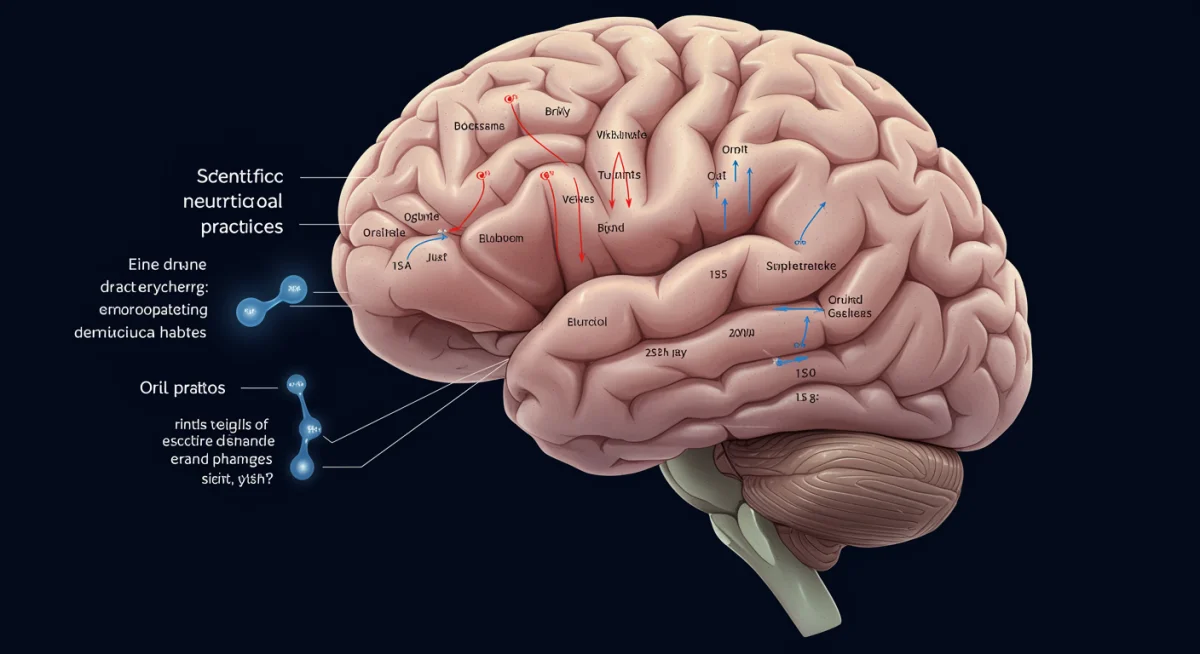
Studies using fMRI scans have revealed that gratitude activates areas of the brain such as the medial prefrontal cortex, a region associated with learning and decision-making, and the hypothalamus, which regulates stress. When people feel grateful, their brains show increased activity in these areas, leading to reduced feelings of anxiety and depression. This isn’t just anecdotal; it’s a measurable physiological response.

- Gratitude journaling: Writing down 3-5 things you’re grateful for each day.
- Expressing thanks directly: Sending a heartfelt message or making a call.
- Mindful appreciation: Taking a moment to savor positive experiences.
- Gratitude meditations: Focusing on feelings of thankfulness.
Incorporating gratitude into your daily routine doesn’t require a significant time commitment. Even a few minutes each day can yield substantial benefits. Start by keeping a gratitude journal, where you list specific things you are thankful for. Be precise; instead of writing ‘my family,’ try ‘my sister’s thoughtful text message today.’ This specificity enhances the emotional impact and reinforces the positive neural pathways.
Another effective method is to consciously express your appreciation to others. A sincere ‘thank you’ can not only boost your own mood but also strengthen your social connections, leading to a ripple effect of positive emotions. Over three months, consistent gratitude practice can fundamentally alter your emotional landscape, making joy a more accessible and frequent experience.
habit 2: fostering meaningful social connections
Humans are inherently social creatures, and the quality of our relationships plays a pivotal role in our emotional well-being. Research consistently demonstrates that strong, meaningful social connections are among the most significant predictors of happiness and longevity. Isolation and loneliness, conversely, are linked to increased risks of depression, anxiety, and various health issues. Therefore, actively cultivating and nurturing these connections is a powerful habit for boosting your emotional state.
Meaningful social connections go beyond mere acquaintances; they involve relationships characterized by trust, mutual respect, understanding, and shared experiences. These connections provide a sense of belonging, validation, and support, which are crucial buffers against life’s stresses. When we feel connected, we experience a greater sense of purpose and security, directly contributing to our overall joy.
the psychology of connection and well-being
The release of oxytocin, often called the ‘love hormone,’ is heavily influenced by positive social interactions. Hugs, shared laughter, and acts of kindness all stimulate oxytocin production, fostering feelings of trust, empathy, and bonding. This neurochemical response underscores the biological imperative for social connection and its direct link to emotional well-being. Furthermore, supportive relationships can reduce the physiological markers of stress, such as cortisol levels, promoting a more balanced and joyful emotional state.
- Regular check-ins: Scheduling time for calls or video chats with loved ones.
- Active listening: Giving full attention when interacting with others.
- Shared activities: Engaging in hobbies or interests with friends or family.
- Community involvement: Volunteering or joining local groups to meet new people.
To foster meaningful connections, prioritize quality over quantity. It’s more beneficial to have a few deep, supportive relationships than many superficial ones. Make an effort to reach out to friends and family, initiate conversations, and be genuinely present when you are with them. Small gestures, such as remembering important dates or offering help, can significantly strengthen bonds over time.
Consider joining groups or clubs that align with your interests. This provides a natural environment for meeting like-minded individuals and building new connections based on shared passions. Over three months, intentionally investing in your social network can lead to a profound increase in feelings of joy, belonging, and overall emotional resilience.
habit 3: engaging in mindful movement and presence
In our fast-paced world, it’s easy to become disconnected from our bodies and the present moment. Mindful movement, such as walking, yoga, or tai chi, combined with practices that cultivate presence, offers a powerful antidote to this disconnection. This habit is not just about physical exercise; it’s about integrating physical activity with mental awareness to foster a deeper sense of calm, clarity, and joy.
Mindful movement involves paying close attention to your body’s sensations, your breath, and the environment around you as you move. This intentional focus helps to quiet the incessant chatter of the mind, reducing rumination and anxiety. By grounding yourself in the present, you can escape the pull of past regrets and future worries, allowing for a more peaceful and joyful experience of life.
the physiological and psychological benefits
Engaging in mindful movement promotes the release of endorphins, natural mood elevators that can reduce pain and improve feelings of well-being. Beyond this, the practice of mindfulness, which is central to mindful movement, has been shown to reduce activity in the amygdala, the brain’s fear center, while increasing activity in the prefrontal cortex, responsible for planning and executive functions. This shift helps to regulate emotions and promote a more positive outlook.
- Yoga and stretching: Focusing on breath and body sensations.
- Walking meditation: Paying attention to each step and surroundings.
- Tai chi: Gentle, flowing movements with deep breathing.
- Body scan meditation: Systematically bringing awareness to different body parts.
To integrate mindful movement into your routine, start small. Instead of rushing through your morning walk, try to notice the sounds, sights, and smells around you. Pay attention to the sensation of your feet on the ground and the rhythm of your breath. If your mind wanders, gently bring it back to the present moment without judgment. The goal is not to eliminate thoughts but to observe them without getting carried away.
Incorporating short periods of intentional presence throughout your day can also make a significant difference. Take a few deep breaths before starting a new task, or savor your meals by eating slowly and paying attention to textures and flavors. Over three months, consistent practice of mindful movement and presence can lead to a greater sense of inner peace, reduced reactivity to stress, and a more profound appreciation for the simple joys of everyday life.
integrating habits for holistic well-being
While each of the three habits—gratitude, social connection, and mindful movement—offers significant individual benefits, their true power lies in their synergistic integration. By weaving these practices into a cohesive lifestyle, you create a holistic approach to emotional well-being that amplifies their effects. This integrated strategy fosters a robust foundation for lasting joy and resilience.
The interconnectedness of these habits is evident in their impact on various aspects of our lives. For instance, expressing gratitude often deepens social connections, as recipients feel valued and appreciated. Similarly, engaging in mindful movement can enhance our presence during social interactions, allowing for more genuine and meaningful exchanges. This cross-pollination of benefits creates a positive feedback loop that reinforces overall emotional health.
creating a personalized joy blueprint
To effectively integrate these habits, it’s crucial to create a personalized plan that fits your lifestyle and preferences. There’s no one-size-fits-all approach to cultivating joy. Start by identifying small, achievable steps for each habit and gradually build upon them. Consistency is more important than intensity, especially in the initial three-month period.
- Morning routine: Start with gratitude journaling and mindful breathing.
- Daily check-ins: Schedule short calls or messages to loved ones.
- Evening reflection: Engage in a mindful walk or gentle stretching.
- Weekly planning: Allocate time for social activities and self-care.
Consider how these habits can naturally complement each other. Perhaps a mindful walk with a friend could combine two habits seamlessly. Or, writing a gratitude letter to someone could strengthen a social bond while practicing thankfulness. The key is to make these practices enjoyable and sustainable, rather than viewing them as chores.
Regularly reflect on your progress and adjust your approach as needed. What works well? What challenges are you facing? By being adaptable and compassionate with yourself, you can continuously refine your joy blueprint. The integration of these habits over three months will not only boost your emotional state but also cultivate a deeper, more sustainable sense of well-being.
overcoming common challenges in habit formation
Embarking on a journey to cultivate new habits, especially those aimed at boosting emotional well-being, often comes with its own set of hurdles. It’s common to encounter resistance, forgetfulness, or a lack of motivation. However, recognizing these challenges and developing strategies to overcome them is crucial for sustained success in your three-month joy cultivation plan.
One of the most frequent challenges is inconsistency. Life gets busy, and new habits can easily fall by the wayside when faced with competing demands. Another common issue is unrealistic expectations, leading to discouragement if immediate, dramatic results aren’t observed. Understanding that habit formation is a gradual process, not an overnight transformation, is vital.
strategies for sustained practice
To combat inconsistency, try habit stacking, which involves attaching a new habit to an existing one. For example, practice gratitude journaling immediately after your morning coffee. This leverages an established routine to make the new habit more automatic. Another powerful strategy is to create environmental cues that remind you to perform the habit, such as placing your gratitude journal next to your bed.
- Start small: Begin with manageable steps to avoid overwhelm.
- Track progress: Use a journal or app to monitor your consistency.
- Find an accountability partner: Share your goals with someone to stay motivated.
- Be flexible: Adjust your approach when life inevitably throws curveballs.
Motivation often fluctuates, so relying solely on willpower can be unreliable. Instead, focus on building systems that support your habits. This might involve scheduling specific times for mindful movement or setting reminders to connect with loved ones. When motivation wanes, these systems can carry you through until your intrinsic drive returns.
Finally, practice self-compassion. There will be days when you miss a practice or feel less joyful than others. Instead of self-criticism, acknowledge the lapse, learn from it, and gently redirect yourself back to your habits. Over three months, persistent effort combined with a compassionate attitude will significantly increase your chances of successfully cultivating joy and boosting your emotional state.
measuring progress and sustaining joy over time
The three-month timeframe is a powerful catalyst for establishing new habits, but the journey of cultivating joy is ongoing. Measuring your progress during this initial period and developing strategies to sustain these habits long-term are essential for maintaining and deepening your emotional well-being. This involves a combination of self-reflection, objective assessment, and continuous adaptation.
While joy isn’t a quantifiable metric in the same way as physical fitness, its impact can be observed through subjective well-being questionnaires, mood tracking, and qualitative self-assessment. Paying attention to subtle shifts in your daily mood, your resilience to stress, and the quality of your interactions can provide valuable insights into your progress.
tools for self-assessment and reflection
Regularly checking in with yourself through journaling or guided reflection can help you identify patterns and understand the impact of your new habits. Consider using mood tracking apps or simply making a note of your emotional state at different points throughout the day. This data, however subjective, can reveal trends and highlight areas where you might need to adjust your approach.
- Mood journals: Documenting daily emotional states and triggers.
- Well-being scales: Periodically completing validated psychological questionnaires.
- Feedback from others: Asking trusted friends or family if they notice positive changes.
- Mindfulness check-ins: Noticing how often you feel present and calm.
To sustain joy beyond the initial three months, it’s crucial to view these habits not as temporary fixes but as integral components of your lifestyle. This means continually integrating them into your routine, even when they feel more automatic. Life circumstances will change, and your practices may need to evolve with them.
Embrace the idea of continuous learning and growth. Explore new gratitude practices, expand your social circle, or try different forms of mindful movement. The more you engage with these habits, the more deeply they become ingrained, leading to a resilient and enduring sense of joy. Remember, cultivating joy is a dynamic process, a lifelong endeavor that brings increasing rewards with consistent effort.
| Key Habit | Brief Description |
|---|---|
| Daily Gratitude | Actively acknowledge positive aspects of life to rewire the brain for optimism. |
| Social Connection | Nurture meaningful relationships to boost belonging and emotional support. |
| Mindful Movement | Combine physical activity with present-moment awareness for calm and clarity. |
frequently asked questions about cultivating joy
While individual experiences vary, consistent practice of these habits over three months is typically sufficient to observe noticeable improvements in emotional well-being. Some people report subtle shifts within weeks, while deeper, more lasting changes tend to solidify over the full three-month period.
It’s perfectly normal to miss days; perfection isn’t the goal. The key is to practice self-compassion and gently return to your habits as soon as possible. Don’t let a missed day derail your entire effort. Consistency over time is more important than flawless daily execution.
While these habits can significantly boost emotional well-being and act as powerful complements to mental health strategies, they are not a substitute for professional medical advice or treatment for chronic sadness or depression. If you are struggling, please consult a healthcare professional.
Certainly! For gratitude, apps like ‘Grateful’ or a simple journal work wonders. For social connection, consider platforms like ‘Meetup’ for local groups. For mindful movement, ‘Calm’ or ‘Headspace’ offer guided meditations and yoga practices. Exploring these resources can enhance your journey.
To ensure long-term integration, focus on making the habits enjoyable and intrinsically rewarding. Regularly reflect on their positive impact, adjust them as your life evolves, and continue to explore new ways to engage with gratitude, connection, and mindfulness. Consistency and adaptability are key.
conclusion
Embarking on the journey of cultivating joy through science-backed habits is a profound investment in your emotional well-being. By consistently practicing gratitude, fostering meaningful social connections, and engaging in mindful movement, you possess the tools to significantly boost your emotional state within a mere three months. Remember, this isn’t about chasing fleeting happiness, but rather about building a resilient and sustainable foundation for lasting joy. Embrace these practical solutions, leverage the insider knowledge, and commit to transforming your emotional landscape for a more fulfilling life.