Advertisement
In the fast pace of modern life, where everyday challenges compound social and economic pressures, finding emotional balance has become a constant and vital pursuit. The year 2026 arrives with the promise of new realities and an urgent need to strengthen our mental health. Emotional self-care is no longer a luxury but an essential strategy for navigating life with resilience and well-being. This article explores seven self-care techniques that are particularly relevant and effective today, helping to build a solid foundation for emotional health.
The Urgency of Emotional Self-Care
Modern life is full of contrasts. Pressure at work, economic uncertainty, safety concerns and social issues can profoundly affect mental health. According to the World Health Organization (WHO), anxiety and depression affect hundreds of millions of people worldwide. Against this backdrop, the practice of emotional self-care emerges as a powerful tool for preserving mental health and supporting a fuller life.
Self-care is not selfishness; it is a necessity. It is the ability to recognize and meet our own physical, mental and emotional needs in order to maintain a state of well-being. Many of us are taught to put others first and to be strong in the face of adversity, the idea of devoting time and energy to oneself can feel counterintuitive. Yet it is precisely that dedication that gives us the energy and resilience we need to care for others and face challenges.
In 2026, with advances in technology and growing awareness of mental health, we hope the stigma around these topics will lessen, opening space for more conversation and more practice of emotional self-care. Below are seven techniques that, woven into daily life, can transform anyone’s quality of life and emotional well-being.
Advertisement
1. Practice Mindfulness
mindfulness is the ability to be present in the current moment, without judgment. In a world where we are constantly bombarded with information and distraction, this technique becomes a refuge. For anyone living at a fast pace, practicing mindfulness can be a powerful antidote to stress and anxiety.
How to Weave Mindfulness into Your Day:
- Formal Meditation: Set aside 5 to 10 minutes a day to sit in silence, focus on your breathing and observe your thoughts without getting caught up in them. There are many apps and online guides that can help.
- Mindfulness in Everyday Activities: Turn simple tasks — drinking a coffee, washing dishes, walking — into mindfulness exercises. Notice the smell of the coffee, the texture of the cup, the running water, the ground beneath your feet. Pay attention to the details.
- Conscious Pauses: Throughout the day, take short breaks to breathe deeply and observe your surroundings. This helps break the cycle of automatic thoughts and reduce mental overload.
Regular practice of mindfulness has been shown to lower cortisol (the stress hormone), improve concentration, increase self-awareness and promote a general sense of calm and well-being. It is an accessible form of emotional self-care that requires no money, only dedication.
2. Cultivate Healthy Social Connections
Human beings are social by nature, and most cultures place a high value on family, friends and community. The quality of those connections, however, is what really matters for emotional balance. Toxic relationships or a lack of meaningful social interaction can harm mental health.
Advertisement
Strengthening Your Bonds:
- Invest in Positive Relationships: Give time to the people who make you feel good, who support you and who share your values.
- Communicate Openly: Expressing feelings and thoughts honestly and respectfully strengthens bonds and avoids misunderstandings.
- Join Groups and Activities: Sign up for book clubs, sports groups, volunteering or any activity that puts you in contact with people who share your interests.
- Disconnect in Order to Connect: Cut down your time on social media and invest in in-person interaction. The quality of human connection is irreplaceable.
Loneliness is a risk factor for a range of mental health problems. Maintaining a strong support network is a fundamental pillar of emotional self-care, offering support in difficult moments and joy in good ones.
3. Prioritize Quality Sleep
In a country where the working day can be exhausting and commuting eats up hours, sleep is often the first thing sacrificed. Sleep deprivation, however, has a direct and devastating impact on emotional balance, concentration and mood. Restorative sleep matters as much as good food and exercise.
Tips for Better Sleep:
- Set a Routine: Try to go to bed and wake up at the same time every day, including weekends.
- Create the Right Environment: Keep the bedroom dark, quiet and at a comfortable temperature.
- Avoid Stimulants: Caffeine and alcohol before bed can disrupt your sleep cycle.
- Switch Off Screens: The blue light from phones, tablets and computers inhibits the production of melatonin, the sleep hormone. Avoid screens for at least an hour before bed.
- Relax Before Bed: A warm bath, reading or meditation can prepare body and mind for rest.
Investing in quality sleep is one of the most effective acts of emotional self-care. It recharges your energy, consolidates memory and regulates emotion, preparing you to face the next day with more energy and mental clarity.
4. Adopt Conscious, Healthy Eating
The relationship between what we eat and how we feel is increasingly clear. A diet heavy in processed foods, sugar and saturated fat can negatively affect mood, energy and even brain health. A balanced, nutrient-rich diet, on the other hand, is fundamental to emotional balance.
Mood-Friendly Foods:
- Fruit and Vegetables: Rich in vitamins, minerals and antioxidants, essential for healthy brain function.
- Omega-3: Found in fish such as salmon, sardines and tuna, and in seeds such as chia and flaxseed. It supports brain function and helps reduce inflammation.
- Probiotics: Found in natural yogurts and fermented foods, they support gut health, which is closely linked to mood.
- Water: Dehydration can cause fatigue, irritability and difficulty concentrating. Stay hydrated.
Emotional self-care also happens at the table. Making conscious food choices is not only about the body but about the mind. It is an act of kindness toward yourself that shows directly in your overall well-being.
5. Move Your Body: Regular Exercise
Exercise is one of the most powerful allies of emotional balance. Whatever the climate where you live, the options are endless. Exercising regularly releases endorphins, neurotransmitters that promote a sense of well-being and reduce stress and anxiety.
The Mental Health Benefits of Exercise:
- Stress Relief: Physical activity is an excellent outlet for accumulated tension.
- Better Mood: The release of endorphins acts as a natural antidepressant.
- Higher Self-Esteem: Reaching goals and feeling physically stronger has a positive effect on how we see ourselves.
- Better Sleep: The physical tiredness that exercise brings can make for deeper, more restorative sleep.
You do not have to become a professional athlete. Daily walks, dance classes, swimming, football with friends or yoga are all great ways to bring movement into your day. Find an activity you enjoy that fits your routine. What matters is consistency. Emotional self-care also shows up in how you look after your body.
6. Build Stress Management Skills
Stress is an inevitable part of life, but how we manage it makes all the difference to emotional balance. For anyone facing a range of pressures, developing effective strategies for handling stress is crucial. That does not mean eliminating stress, but learning to respond to it more healthily.
Stress Management Techniques:
- Breathing Techniques: Deep, conscious breathing can calm the nervous system in moments of tension.
- Set Boundaries: Learn to say “no” to excessive commitments and to protect your time and energy.
- Organization and Planning: Good planning can reduce the feeling of overload and anxiety about deadlines.
- Hobbies and Leisure: Make time for activities you love and that help you relax, such as reading, listening to music, painting or gardening.
- Digital Disconnection: Take regular breaks from social media and news, which are often sources of stress and social comparison.
Stress management is a skill that improves with practice. By investing in these techniques, you strengthen your resilience and build more robust emotional self-care.
7. Seek Professional Help When You Need It
Despite all the self-care techniques available, there are moments when professional help is indispensable. Stigma around mental health is still a barrier, but it is essential to overcome it. Seeing a psychologist or psychiatrist is not a sign of weakness but of intelligence and strength.
When to Consider Professional Help:
- Persistent Symptoms: If you feel deep sadness, constant anxiety, irritability or a loss of interest in activities over a prolonged period.
- Impact on Daily Life: When emotional problems begin to affect your work, relationships or ability to carry out everyday tasks.
- Suicidal Thoughts: At any sign of self-destructive thoughts, seek help immediately.
- Difficulty Coping with Trauma: Traumatic events may require psychological support in order to be processed healthily.
Therapy offers a safe space to explore feelings, develop coping strategies and build self-knowledge. In 2026, with advances in telemedicine and the growing availability of professionals, access to mental health care is becoming easier. Emotional self-care includes recognizing your limits and seeking the support you need to move past them.
Weaving Self-Care into Everyday Culture
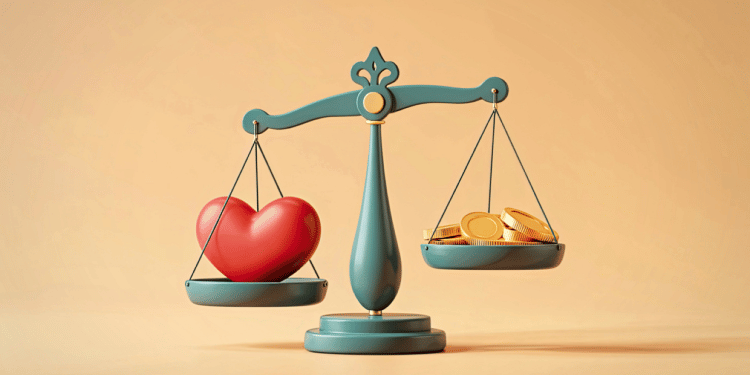
For emotional self-care to become a deeply rooted practice, a cultural shift is needed. We need to break the idea that “handling everything” is a sign of strength and recognize that looking after yourself is the foundation of a productive, happy life. Schools, companies and families all have a crucial role in promoting that awareness.
In 2026, we can expect more government and private initiatives to support the population’s mental health, from corporate well-being programs to public awareness campaigns. The internet and social media, used consciously, can also be powerful tools for spreading information and connecting people who are looking for support.
The challenge is great, but the reward is immense: a more resilient, happier population, able to face the challenges of the future with greater serenity. Emotional balance is not a destination but a continuous journey, a series of daily choices that together build a life of well-being.
Conclusion: The Path to Lasting Balance
The seven emotional self-care techniques presented here — mindfulness, healthy social connections, quality sleep, conscious eating, physical exercise, stress management and seeking professional help — do not stand alone. They complement and strengthen one another, creating a support system for your emotional well-being.
In 2026, the key to emotional balance lies in intention. You have to actively choose to devote time and energy to yourself, dismantle old habits and build new, healthier and more sustainable ones. Start with small changes, be patient with yourself and celebrate every small win.
Remember: you are the most important person in your life. Looking after your emotional self-care is not a selfish act but an investment in your capacity to live fully, to love, to work and to contribute to a better world. May 2026 be the year you put your mental health first and find the balance you have been looking for. The future of your happiness is in your hands.