Advertisement
Emotional well-being in 2026: building mental balance in anxious times involves daily routines of breathing, sleep and movement, quick strategies for crises, mapping your triggers and seeking professional support when symptoms persist.
Emotional well-being in 2026 sounds urgent and personal: have you noticed how anxiety shows up in the small tasks of the day? Here we set out simple practices, real examples and questions that help you recover a steadier mental balance.
Understanding anxiety today
Emotional well-being in 2026 changes how we see anxiety: today it appears through the small pressures of daily life, not only through major crises.
Understanding those signals helps you act calmly and recover a little mental balance each day.
Advertisement
What anxiety is today
Anxiety is a natural reaction to danger or uncertainty. Today it can become a constant signal through an excess of stimulation.
It is not weakness; it is a response of body and mind asking for practical attention.
Common signs and how to notice them
Watch for physical and emotional signs. They are useful clues for knowing when to act.
Advertisement
- A racing heart or shallow breathing after reading the news or using social media.
- Repetitive thoughts about the future that make it hard to focus on tasks.
- Difficulty sleeping, or waking tired despite no intense physical effort.
- Irritability or a sense of overload faced with simple tasks.
The signs often build gradually. Recognising each one makes daily care easier.
Modern causes include rapid change, constant information and less time to rest. Small losses of routine increase the tension.
How to map your personal triggers
Note the moments when anxiety increases: the time, the setting, the thought. That reveals clear patterns.
- Record for a week the situations that precede the discomfort.
- Look for patterns: times of day, screen use or types of news.
- Identify the physical reactions: breathing, muscular tension, sleep.
With that map you can reduce or prepare for triggers with small changes to your routine.
Simple practices such as short pauses, deliberate breathing and limiting notifications already help reduce the peaks. Try them and adjust to your routine.
If the distress interferes with study, work or sleep for weeks, consider seeking professional support. Professionals offer clear and safe strategies.
Understanding anxiety today means accepting that it exists and learning practical steps for handling it. With attention and simple actions, it is possible to recover more calm and build a path toward emotional well-being.
Daily practices for steadying your emotions
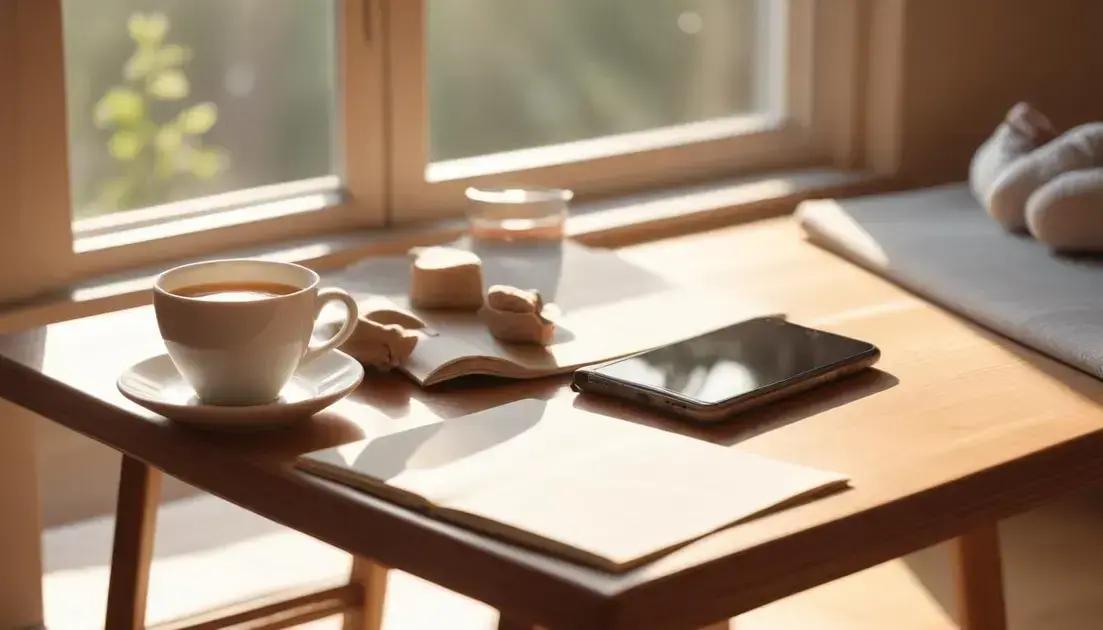
Emotional well-being in 2026 rests on small daily actions. Adding short routines can reduce peaks of anxiety and protect your mental balance.
Choose practices that fit your day and repeat them for weeks to notice the difference.
A simple morning routine
Start with 5 to 10 minutes: water, breathing and natural light. A small ritual prepares body and mind.
A practical example: on waking, drink a glass of water, take three deep breaths and open the window for two minutes.
Quick, practical exercises
Short movements help regulate the nervous system without taking much time.
- 4-4-6 breathing: in for 4, hold for 4, out for 6 — repeated five times.
- The 5-4-3-2-1 grounding technique to bring attention to the present.
- Progressive muscle relaxation for five minutes before bed.
- A gentle 10-minute walk after lunch to clear the mind.
Spread these practices through the day to reduce reactivity and maintain focus.
Limiting notifications and creating small rest intervals helps reduce the stimulation that feeds anxiety.
How to fit the practices into your day
Choose two priority habits and slot them into real times, such as before breakfast or after work.
- Use discreet alarms to remind you of short breaks.
- Record for seven days what worked: the time, the duration and how you felt afterwards.
- Adapt the intensity: if you are tired, choose breathing and light stretching.
Adapting this way creates sustainable routines that increase your mental balance without overload.
Include regular sleep, balanced meals and brief social contact too — all of it influences your emotional state.
Practical tools and support
Some tools make the practice simpler and more consistent.
- Meditation apps with sessions of 3 to 10 minutes.
- A short notebook for noting three things that improved your day.
- Timers for micro-breaks and quick walks.
- A community or a practice partner to keep you motivated.
Try combinations over several weeks and adjust to your routine. Small gains add up and strengthen your capacity to handle crises.
Practising regularly, and without rigidity, is the key: simple repeated actions build greater calm and resilience in the face of anxiety.
Quick strategies for crises and stress spikes
Emotional well-being in 2026 brings together quick responses for when anxiety rises suddenly. In a few minutes you can reduce the intensity and regain control.
These actions are practical and easy to apply, even at work or on public transport.
Breathing that calms
Short, guided breaths help lower your heart rate and clear your mind.
Try the 4-4-6 technique or box breathing for two or three cycles and feel the change.
Anchoring through the senses
Attention to your senses brings focus to the present and reduces racing thoughts.
- Practise 5-4-3-2-1: name 5 things you can see, 4 you can touch, 3 you can hear, 2 you can smell and 1 you can taste.
- Use cold water on your face or hands for a brief sensory shock.
- Hold an object with a pleasant texture as a physical focus.
These steps switch off the ruminating circuit and help you return to the here and now.
Brief movement is effective too: walk for two minutes, stretch your neck and shoulders, or do some light star jumps to reduce adrenaline.
Immediate practical strategies
Organising a simple next step prevents impulsive decisions during a crisis.
- Note one one-minute action you can take now (drink water, open a window).
- Put your phone on silent and set notifications aside for 10 minutes.
- Use a quick tension-release exercise: contract a muscle group for five seconds and let go.
If you are in public, find a safe corner, breathe and work through one of these steps until you feel steadier.
It is also worth having a personal plan: short phrases you can read or listen to (recorded) to remind you of the strategies that work for you.
If the crisis does not ease after repeated attempts, ask for help. A brief call to someone you trust, or contacting a support service, may be necessary.
In short, breathing techniques, sensory anchoring, brief movement and small practical adjustments form a set of quick responses. Practise them in calm moments so that you can use them automatically during spikes of stress and preserve your mental balance.
When to seek help, and reliable resources
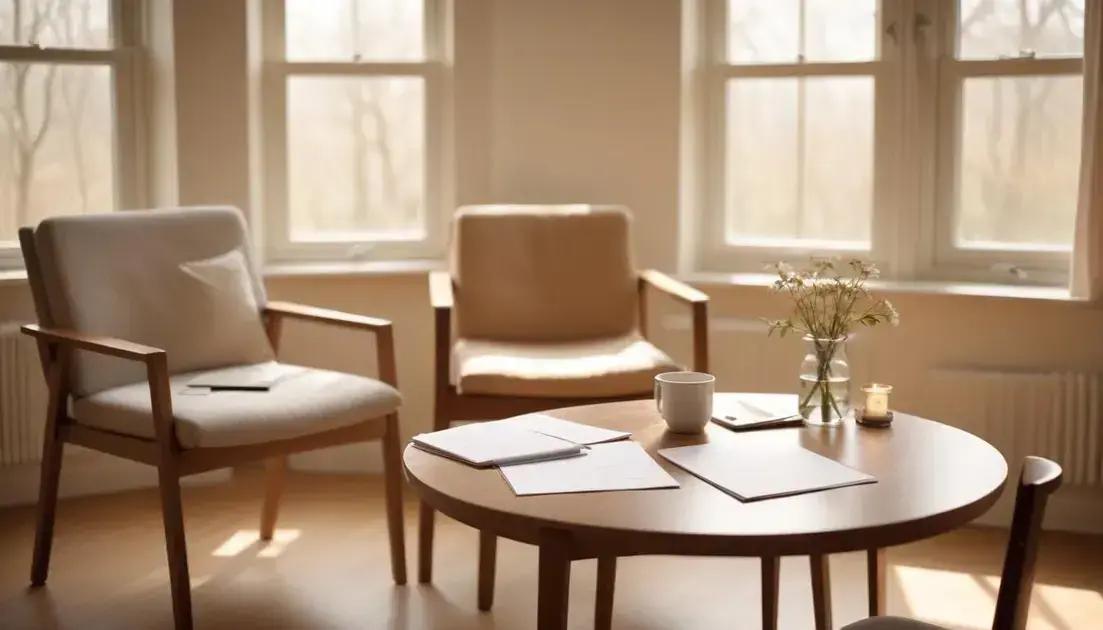
Emotional well-being in 2026 means recognising when anxiety needs support beyond your daily strategies. Seeking help is not weakness; it is practical care for your mental balance.
Understanding the signs and the available resources lets you act quickly and more safely when life gets hard.
When the signs call for professional attention
Not every discomfort requires immediate therapy, but certain patterns are clear warnings.
- Distress lasting weeks that interferes with work, study or sleep.
- Intense feelings of hopelessness, constant fear or a sense of losing control.
- Risky behaviour, or using alcohol or drugs to relieve symptoms.
- Difficulty carrying out basic daily tasks because of anxiety.
If you tick two or more of these regularly, it is time to consider specialist support.
Types of help and how to choose
There are in-person and digital options; each suits different needs.
- Psychotherapy (a psychologist): ideal for learning strategies and working on thought patterns.
- Psychiatry: indicated where medication assessment or clinical diagnosis is needed.
- Support groups: useful for sharing experiences and reducing isolation.
- Emergency services and crisis lines: for immediate risk or suicidal thoughts.
Look into which option matches your situation and the intensity of your symptoms.
How to assess reliable resources
Check qualifications, professional registration and genuine reviews before choosing a service.
- Look up the practitioner’s registration with the relevant professional or medical regulator in your country.
- Read reviews and ask people you trust for recommendations.
- Prefer services with a clear privacy policy and transparency about costs.
Apps and online content can help, but check the source of the information to avoid unsuitable advice.
Preparing to ask for help
A few simple steps make an appointment easier and more productive.
- Note your symptoms, their frequency and the triggers you have observed over recent weeks.
- Record your current medication, medical history and the questions you want to ask.
- Bring someone you trust who can come with you if you need them.
Arriving prepared helps the professional offer a clear plan and speeds up the route to better answers.
Remember: seeking help is an act of protection for your emotional well-being. With good choices and reliable resources, you increase your chances of regaining stability and a better quality of life.
In short, small daily actions, quick techniques and recognising your limits form the basis of emotional well-being. Practising simple routines and seeking support when you need it strengthens your mental balance in the face of anxiety.
FAQ — emotional well-being in 2026
What is anxiety, and when does it become a problem?
Anxiety is a natural response to stress. It becomes a problem when it persists for weeks, disrupts sleep or work, or brings thoughts of hopelessness.
Which daily practices help steady the emotions?
Small routines: short breathing exercises, breaks of 5 to 10 minutes, a gentle walk and regular sleep. Repeating these produces gradual improvement.
What should I do during a stress spike at work or in the street?
Use guided breathing, the 5-4-3-2-1 grounding technique, walk for two minutes and set notifications aside. If it does not ease, find a safe place and seek support.
How do I choose reliable professional help?
Check professional registration, read reviews, ask for recommendations and take a summary of your symptoms to the first appointment.