Advertisement
In a world that so often presses on us with challenges and uncertainty, finding a beacon of hope and well-being matters. The link between gratitude and mental health is one such beacon: a powerful practice that has gained increasing recognition for its transformative impact on people’s lives. Far from being a passing feeling, gratitude is a complex emotion and a state of mind that, cultivated deliberately, can redesign the architecture of the mind and pave the way to a fuller, happier life. In 2026, we invite you to embark on a transformative journey — a 21-day plan dedicated to weaving gratitude into your daily routine and reaping the many benefits it offers your mental health.
The idea that gratitude can improve mental health is not new. Philosophers and sages across cultures have long pointed to the importance of recognizing and appreciating the good things in life. In recent decades, however, modern science, especially in the field of positive psychology, has empirically validated that ancient wisdom. Study after study shows that practicing gratitude regularly can reduce stress, ease symptoms of depression and anxiety, improve sleep quality, strengthen relationships and even increase resilience in the face of adversity. It is an accessible, free and remarkably effective tool for anyone looking to improve their emotional well-being.
But what does practicing gratitude and mental health actually mean? It is not about ignoring problems or forcing an unrealistic optimism. On the contrary, it is about developing the ability to notice and value the small and large blessings around us, even in the midst of difficulty. It is an exercise in perspective, in which we choose to focus on what we have rather than on what we lack. It is a conscious acknowledgment of the positive contributions that other people, nature, opportunities and even challenging experiences bring to our lives. And, like any exercise, it requires consistency and intention for its effects to show fully.
This 21-day plan has been carefully designed to be a practical and inspiring guide. The choice of 21 days is not arbitrary; research suggests that is the minimum time needed to form a new habit. Over these three weeks you will be invited to try different ways of expressing and cultivating gratitude, from simple reflection exercises to concrete actions that can have a positive impact not only on your life but on the lives of those around you. Our goal is that by the end of this period gratitude is not merely a practice but an integral part of who you are, a lens through which you see the world.
Prepare to embark on a journey of self-discovery and change. Open your heart and mind to the possibility of a richer, happier and more connected life. Gratitude and mental health is a gift you can give yourself, and 2026 is the perfect year to start unwrapping it. Let us build a future together in which mental well-being is a priority and gratitude is a daily routine.
Advertisement
The Science Behind Gratitude and Its Effects on Mental Health
To truly understand the power of gratitude and mental health, it helps to look at the science behind it. Positive psychology, the branch of psychology that studies human flourishing, has pioneered research into the benefits of gratitude. Martin Seligman, considered the father of positive psychology, and researchers such as Robert Emmons and Michael McCullough have consistently shown that gratitude is a key factor in psychological well-being.
The Neurological Impact of Gratitude
When we practice gratitude, our brain undergoes significant changes. Neuroimaging studies show that gratitude activates brain regions associated with reward, morality, social bonding and the subjective experience of pleasure. More specifically, there is increased activity in the medial prefrontal cortex, an area linked to learning and decision-making, and in the limbic system, which regulates emotion. These activations can lead to the release of neurotransmitters such as dopamine, associated with pleasure and motivation, and serotonin, which regulates mood and well-being. That explains why grateful people tend to feel happier and more optimistic.
Less Stress and Anxiety
Gratitude and mental health work together as a natural antidote to stress and anxiety. By focusing on what is positive, we draw attention away from negative rumination and worry. Research indicates that gratitude can lower levels of cortisol, the stress hormone, and increase psychological resilience. People who practice gratitude regularly are better able to handle traumatic events, recovering more quickly from difficult experiences. They develop a greater capacity to find meaning and growth even in adverse situations.
Advertisement
Better Mood and Protection Against Depression
The connection between gratitude and mood is profound. A study published in the Journal of Personality and Social Psychology found that participants who kept a gratitude journal for 10 weeks felt more optimistic and more satisfied with their lives, and reported fewer physical complaints. Consistent gratitude practice can be an effective strategy for managing depressive symptoms, because it promotes cognitive restructuring, encouraging a person to notice the positive aspects of life that the lens of depression would otherwise obscure.
Stronger Relationships
Gratitude benefits not only the individual but their social interactions. Expressing gratitude to others strengthens social bonds, increases feelings of connection and promotes prosocial behavior. When we thank someone, we acknowledge their value and their contribution, which validates them and encourages reciprocity. That creates a virtuous cycle of positivity and mutual support, essential to gratitude and mental health in a social context. Strong social relationships are among the most consistent predictors of happiness and longevity.
Better Sleep Quality
For many people, a busy mind is the main obstacle to a good night’s sleep. Practicing gratitude before bed can be a powerful way to calm it. By reflecting on the things we are grateful for, we shift focus away from worry and anxiety, creating a mental state more conducive to relaxation and restorative sleep. One study found that people who wrote about gratitude before bed slept better and for longer.
Greater Resilience
Life is full of highs and lows, and resilience — the ability to adapt to and recover from adversity — is a vital skill. The link between gratitude and mental health contributes significantly to building it. By recognizing that even in difficult times there are things to be grateful for, people develop a more balanced perspective and the belief that they can overcome challenges. They learn to see difficulties not as insurmountable obstacles but as opportunities for growth and learning.
In short, the science shows that gratitude is not merely a pleasant feeling but a robust psychological intervention with measurable, lasting effects on mental health and general well-being. Weaving it into daily life is a valuable investment in your own happiness and peace of mind.
A 21-Day Plan to Cultivate Gratitude and Strengthen Mental Health in 2026
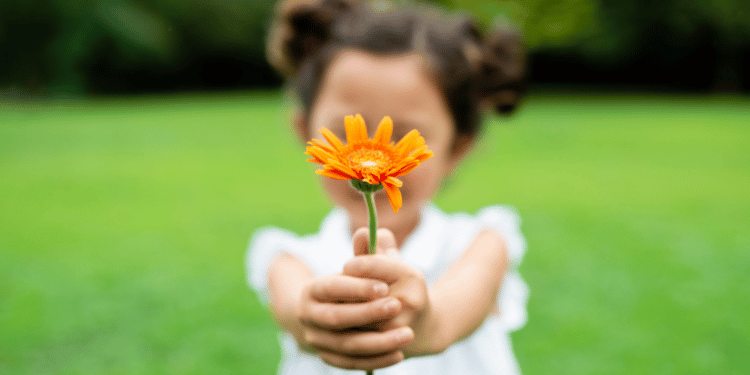
This plan is designed to be flexible and adaptable to your routine. What matters most is consistency and intention. Choose a moment in the day when you can give the practice your attention without interruption. Remember, the goal is to build a lasting habit that supports gratitude and mental health over the long term.
Week 1: Awareness and Recognition
Days 1–3: The Essential Gratitude Journal
- Focus: Identify three things you are grateful for each day. They can be large or small.
- How to do it: Before bed or as soon as you wake, take a notebook and write down three specific things from your day (or already in your life) that you feel genuinely grateful for. Be specific. Instead of “I am grateful for my family”, try “I am grateful for my son’s laugh this morning” or “I am grateful for my sister’s good advice”.
- Benefit for mental health: It trains your mind to look for the positive, even on difficult days, and increases your sense of abundance.
Days 4–7: Appreciating the Senses
- Focus: Use your five senses to find moments of gratitude.
- How to do it: Choose one sense per day (sight, hearing, smell, taste, touch) and pay conscious attention to something you appreciate through it. On Day 4 (sight), notice the beauty of a flower or the sky. On Day 5 (hearing), listen to your favorite music or to birdsong. On Day 6 (smell), take in the smell of coffee or rain. On Day 7 (taste), savor your meal slowly.
- Benefit for mental health: It increases mindfulness and presence in the current moment, reducing anxiety about the past or the future.
Week 2: Expression and Connection
Days 8–10: Thanking Specific People
- Focus: Express gratitude to someone who made a difference in your life.
- How to do it: Each day, think of a different person you are grateful for. It might be a friend, family member, colleague, teacher or even a stranger. Write a message or, if you can, tell them in person how much you appreciate them and exactly why.
- Benefit for mental health: It strengthens relationships, increases social connection and generates feelings of joy and mutual validation.
Days 11–14: The Gratitude Letter
- Focus: Write a detailed letter of gratitude.
- How to do it: Choose someone who had a significant impact on your life but whom you never properly thanked. Write a sincere, detailed letter describing specifically what that person did, how it affected you and why you are grateful. If you can, deliver or read the letter to them.
- Benefit for mental health: This exercise has been linked to lasting increases in happiness and reduced depressive symptoms, for the writer as well as the recipient.
Week 3: Reflection and Integration
Days 15–17: Gratitude for Difficulties
- Focus: Find the learning and growth in challenging experiences.
- How to do it: Reflect on a difficulty or challenge you overcame in the past. Write down three things you learned from it or ways in which it made you stronger. Acknowledge that, painful though it was, it contributed to who you are today.
- Benefit for mental health: It builds resilience, promotes a growth perspective and helps turn suffering into wisdom.
Days 18–20: Gratitude for Yourself
- Focus: Recognize your own qualities, efforts and achievements.
- How to do it: Write down three qualities of your own that you are grateful for (patience, creativity, empathy and so on). Then list three things you have achieved or efforts you have made recently: a project at work, a new habit, an act of kindness. Thank yourself for who you are and for the effort you put in.
- Benefit for mental health: It cultivates self-esteem, self-regard and self-compassion, all essential to complete gratitude and mental health.
Day 21: Celebration and Continuing Commitment
- Focus: Reflect on the journey and plan the future of your gratitude practice.
- How to do it: Review your gratitude journal from the past 20 days. Notice how you felt and what changed. Write a plan for continuing to weave gratitude into your life. That might mean keeping the journal, thanking one person a week, or simply taking a daily pause to reflect.
- Benefit for mental health: It cements the habit, reinforces what you have learned and ensures gratitude keeps enriching your life.
Throughout this plan, remember that perfection is not the goal. There will be days when gratitude comes easily and others when it is a struggle. What matters is intention and persistence. Every small step is progress toward a more grateful mind and more robust mental health in 2026 and beyond.
Overcoming Challenges in Practicing Gratitude
The practice of gratitude and mental health is enormously beneficial, but it is not unusual to run into challenges when trying to build it into a routine. Stress, sadness or cynicism can make the positive hard to see. Recognizing those obstacles is the first step to overcoming them and keeping your gratitude journey going in 2026.
Scepticism and Difficulty Feeling It
Many people approach gratitude with a degree of scepticism, especially if they are going through a difficult period. The idea of “being grateful” can feel hollow or even offensive when you are suffering. In those cases, it is important to remember that gratitude does not require you to pretend everything is fine. It asks only that you acknowledge what is good, however small, even in the midst of pain. Start small. Be grateful for your ability to breathe, for a glass of clean water, for the comfort of a blanket. Gradually, that practice can open space for deeper feelings.
Lack of Time and a Fast Routine
In a world where time feels scarce, finding minutes for gratitude can feel like one more item on the list. The practice of gratitude and mental health, however, need not take long. Five minutes a day can be enough. Consider building gratitude into things you already do: over breakfast, on the commute, or before bed. Use phone reminders or sticky notes in visible places to help you remember. The key is consistency, not duration.
Social Comparison and Feeling Inadequate
Social media in particular can lead us into a spiral of comparison in which everyone else’s life seems better than our own. That can undermine the ability to feel grateful for what you have. To counter it, take a digital detox and limit your time on platforms that generate those feelings. Remember that gratitude is a personal practice. Your journey is your own, and everyone has their own blessings and challenges. Focus on your own progress and your own sources of joy.
Losing the Novelty
Like any new habit, gratitude practice can lose its initial shine and become monotonous. To avoid that, vary your exercises. If you keep a gratitude journal, try writing about different kinds of things. If you thank people, choose different people each time. Try gratitude meditation, visualization, or creating a “gratitude jar” where you note good moments through the year. Variety keeps the practice engaging and effective for your gratitude and mental health.
Unexpected Negative Events
Real life is not a fairy tale. There will be bad days, losses and disappointments. In those moments, feeling grateful can seem impossible. Be gentle with yourself. Do not force a feeling that is not genuine. Allow yourself to feel the sadness, anger or frustration. Once you have processed those emotions, try to find a small glimpse of gratitude. It might be a friend’s support, the resilience you showed, or the lesson learned. Even in the shadows there can be a small light.
Tips for Staying Consistent
- Set a fixed time: Attaching gratitude to a specific time of day helps turn it into a habit.
- Use reminders: Set alarms, use sticky notes or a gratitude app.
- Share your journey: Tell a friend or family member about your practice. Social support can be a great motivator.
- Be flexible: If you miss a day, that is fine. Start again the next day without guilt.
- Reward yourself: Celebrate small milestones on your gratitude journey.
Overcoming these challenges is an integral part of cultivating gratitude and mental health. With patience, persistence and self-compassion, you can turn gratitude into a powerful force in your life, whatever your external circumstances.
Weaving Gratitude into Your Lifestyle in 2026 and Beyond
After the 21 days, the goal is for gratitude to be not an isolated practice but an intrinsic part of your life. Gratitude and mental health is a continuous journey, not a destination. In 2026 and the years that follow, you can deepen and expand your practice in many ways.
Simple Daily Practices
- The gratitude jar: Keep a jar at home and, whenever something good happens or you feel grateful, write it on a small piece of paper and drop it in. At the end of the year, or in a low moment, read the notes and relive those moments.
- Gratitude meditation: There are many guided meditations focused on gratitude. Spend a few minutes sitting quietly, focusing on your breath and bringing to mind the things you are grateful for.
- A morning or evening ritual: Start your day thinking of one thing you are looking forward to and one thing you are grateful for. End the day reflecting on three good things that happened.
- Give thanks for food: Before each meal, take a moment to be grateful for the food, the nourishment it provides and the people involved in producing it.
Extending Gratitude to Other Areas
- Gratitude at work: Acknowledge your colleagues’ efforts, be grateful for opportunities to learn and celebrate small wins. That can improve the working environment and your own professional satisfaction.
- Gratitude for nature: Spend more time outdoors and consciously notice the beauty of the natural world. Be grateful for the sun, the rain, the plants and the animals.
- Gratitude for challenges: As explored in the plan, keep looking for the learning and growth even in difficult situations. That perspective strengthens your resilience and your gratitude and mental health.
- Gratitude for your health: Instead of focusing on what might be wrong, be grateful for your body, for your ability to move, to feel and to experience life.
The Power of Community
Sharing your gratitude journey with others can amplify its effects. Consider:
- Support groups: Join discussion groups or online communities focused on well-being and gratitude.
- Practice with friends and family: Encourage the people you love to practice gratitude with you. You can share your gratitudes daily or keep a joint journal.
- Acts of kindness: Gratitude often leads to kindness. Doing kind things for others is a powerful way to express and feel gratitude for your own ability to help.
Remember, consistency matters more than intensity. Small daily doses of gratitude are more effective than large sporadic bursts. Through 2026 and the years to come, let gratitude become a lens through which you see the world, turning challenges into opportunities and enriching every aspect of your life. Your gratitude and mental health is an investment that pays endless dividends.
Conclusion: A More Grateful and Healthier Future in 2026
We have reached the end of our 21-day plan, but we hope this is only the beginning of a continuing journey for you. Gratitude and mental health is not a passing trend but an age-old practice validated by modern science as one of the keys to a happier, healthier and more meaningful life. In 2026 you have the opportunity to rewrite your inner script, training your mind to focus on the positive, build resilience and form deeper relationships.
Over these weeks you have been invited to observe, recognize, express and integrate gratitude across many facets of your life. From small daily blessings to the lessons drawn from adversity, each exercise has been a step toward greater emotional well-being. You have learned that gratitude does not deny pain or difficulty but offers a perspective that lets you see light even in the shadows.
The benefits are clear and wide-ranging: better mood, less stress and anxiety, stronger social bonds, greater resilience and even better sleep. These are not trivial outcomes; they are fundamental pillars of a full and satisfying life. What is most remarkable is that they are within everyone’s reach, whatever their external circumstances.
Let this plan serve as a constant reminder that you have the power to influence your own mental health through conscious choices and intentional practice. Do not worry if you missed a day or found it difficult; the gratitude journey is made of small steps and fresh starts. What matters is persistence and kindness toward yourself. Every day you choose to practice gratitude, you are investing in your future well-being.
May 2026 be the year in which gratitude and mental health become an unshakeable part of your life, a habit that not only transforms you but radiates positivity to everyone around you. Start today, and experience the magic of a grateful mind. Your mental health and your happiness will thank you.