Neuro-Nutrition 2026: 6 Essential Vitamins for Cognitive Performance
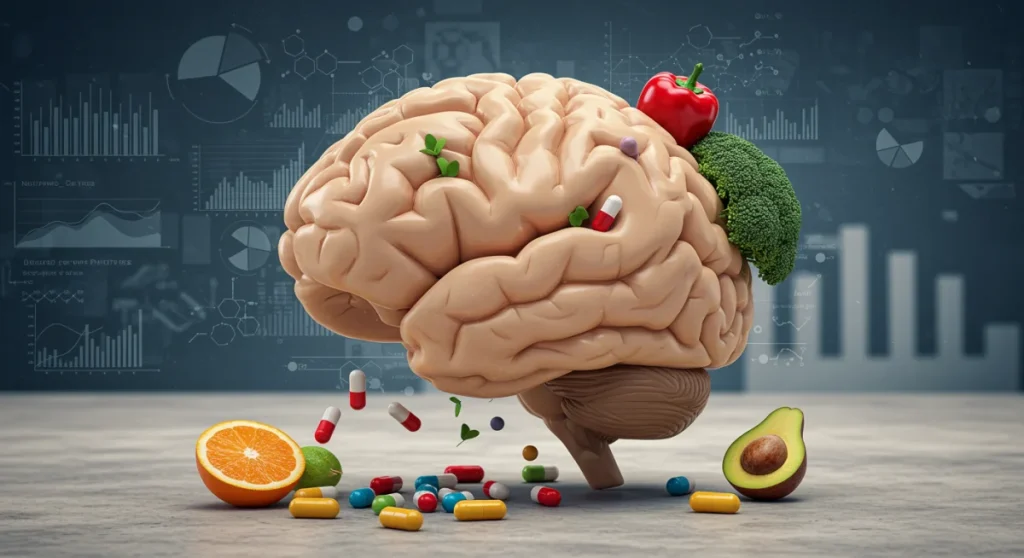
The 2026 guide to neuro-nutrition identifies six crucial vitamins and minerals, endorsed by US experts and current data, as fundamental for enhancing and maintaining optimal cognitive performance and overall brain health.
Welcome to the forefront of brain health! In an era where mental agility is paramount, understanding how nutrition impacts our cognitive functions has never been more critical. This comprehensive guide, The 2026 Guide to Neuro-Nutrition: What 6 Essential Vitamins and Minerals US Experts Recommend for Sustained Cognitive Performance, Based on Current Data, delves into the latest scientific insights to help you optimize your mental prowess.
Understanding Neuro-Nutrition: A Modern Perspective
Neuro-nutrition is an evolving field that explores the profound connection between diet and brain health. It’s not just about avoiding deficiencies; it’s about proactively fueling your brain for peak performance, resilience, and longevity. As research advances, our understanding of specific nutrients and their roles in cognitive function becomes clearer, guiding us towards more targeted dietary strategies.
The brain, though only about 2% of our body weight, consumes roughly 20% of our daily caloric intake and is highly susceptible to nutritional imbalances. This makes the quality of our diet a critical factor in everything from memory and focus to mood regulation and stress management. US experts, leveraging current data, are increasingly emphasizing the importance of a holistic approach to nutrition for sustained cognitive performance.
The Brain’s Nutritional Demands
Our brains require a constant supply of specific nutrients to carry out their intricate functions. These include neurotransmitter synthesis, nerve signal transmission, and protection against oxidative stress. Without adequate nutrition, these processes can falter, leading to noticeable declines in cognitive abilities.
- Energy Metabolism: Glucose is the brain’s primary fuel source, but its efficient utilization depends on various B vitamins.
- Neurotransmitter Production: Amino acids, derived from protein, are the building blocks for neurotransmitters like serotonin and dopamine, which regulate mood and cognition.
- Cellular Protection: Antioxidants from vitamins and minerals shield brain cells from damage caused by free radicals.
Ultimately, a well-nourished brain is a high-performing brain. This section sets the stage for understanding why the specific vitamins and minerals we will discuss are so crucial for maintaining and enhancing your cognitive capabilities as we look towards 2026 and beyond.
Vitamin B Complex: The Energy Catalysts for Brain Function
The B vitamins, a group of eight water-soluble vitamins, are indispensable for numerous cellular processes, especially those critical to brain health and energy metabolism. Their collective role in converting food into energy, synthesizing neurotransmitters, and maintaining nerve health makes them foundational to sustained cognitive performance. US experts consistently highlight the B complex as a cornerstone of neuro-nutritional strategies.
Deficiencies in B vitamins can manifest as fatigue, poor concentration, and even neurological symptoms. This underscores the need for adequate intake, particularly for individuals with specific dietary restrictions or increased metabolic demands. Current data reinforces the interconnectedness of these vitamins in supporting optimal brain function.
Key B Vitamins and Their Cognitive Roles
While all B vitamins are important, B6, B9 (folate), and B12 are particularly emphasized for their direct impact on cognitive health. These three work synergistically to support methylation pathways, which are vital for DNA repair, gene expression, and neurotransmitter synthesis.
- Vitamin B6 (Pyridoxine): Essential for the synthesis of neurotransmitters like serotonin, dopamine, and GABA, which regulate mood, sleep, and stress response. It also plays a role in myelin formation, the protective sheath around nerve fibers.
- Vitamin B9 (Folate): Crucial for DNA synthesis and repair, and for the production of S-adenosylmethionine (SAMe), a compound involved in mood regulation and cognitive function. Adequate folate intake is especially important for neurodevelopment and can impact memory and processing speed.
- Vitamin B12 (Cobalamin): Vital for nerve tissue health, brain function, and the production of red blood cells. A deficiency can lead to significant neurological issues, including memory loss and difficulty concentrating. It often requires careful monitoring, especially in vegetarian and vegan diets.
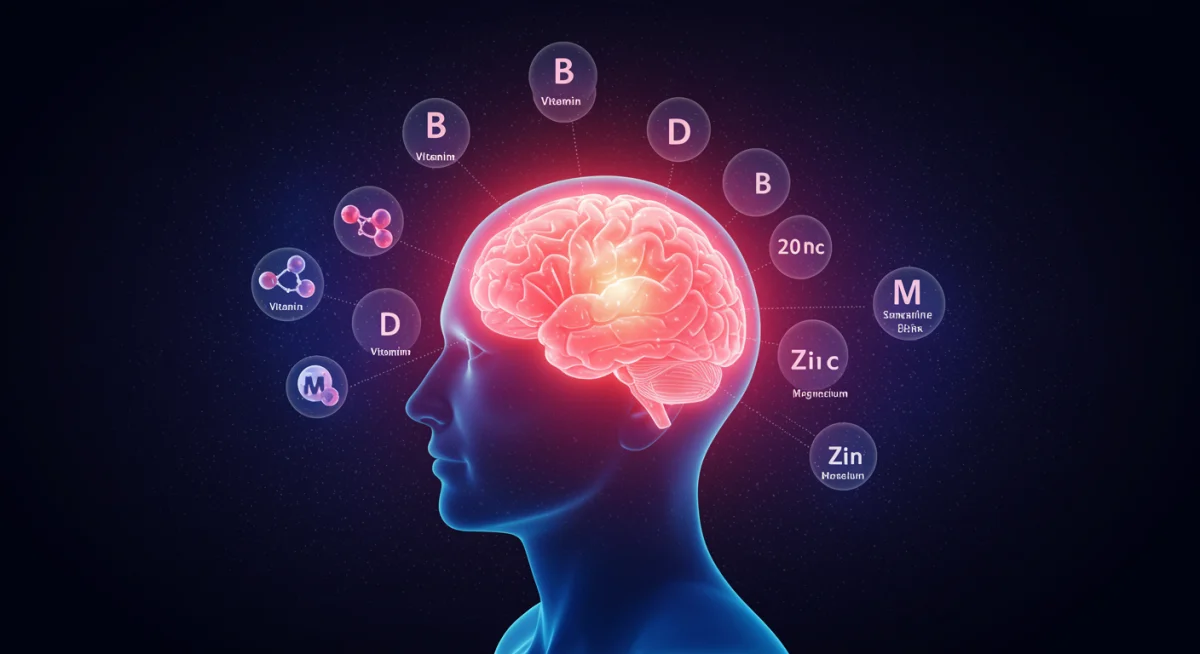
Ensuring sufficient intake of these B vitamins, whether through diet or supplementation, is a key recommendation from US experts for anyone aiming to enhance their cognitive performance and protect against age-related cognitive decline. Their collaborative action within the brain’s intricate systems makes them powerful allies in the pursuit of mental clarity and focus.
Omega-3 Fatty Acids: Essential for Brain Structure and Communication
While not a vitamin or mineral in the traditional sense, omega-3 fatty acids, particularly DHA (docosahexaenoic acid) and EPA (eicosapentaenoic acid), are so critical to brain health that they are consistently highlighted by US experts in any discussion of neuro-nutrition. They are structural components of brain cell membranes and play a pivotal role in neuronal communication and function. The brain is remarkably rich in DHA, making its adequate supply fundamental.
These essential fats are not produced by the body in sufficient amounts, meaning they must be obtained through diet. Current data strongly supports their anti-inflammatory properties and their ability to positively impact mood, memory, and overall cognitive acuity. Their inclusion in a neuro-nutritional strategy is non-negotiable for sustained cognitive performance.
The Impact of Omega-3s on Brain Health
Omega-3s contribute to brain health in multiple ways, from influencing synaptic plasticity to protecting against neuroinflammation. Their effects are widespread and profound, affecting both the structural integrity and functional efficiency of the brain.
- Cell Membrane Fluidity: DHA makes up a significant portion of brain cell membranes, influencing their fluidity and flexibility, which is crucial for efficient signal transmission between neurons.
- Anti-inflammatory Effects: Omega-3s help reduce inflammation in the brain, a factor increasingly linked to cognitive decline and neurodegenerative diseases.
- Neurogenesis & Synaptic Plasticity: They support the growth of new brain cells and the formation of new neural connections, which are essential for learning and memory.
Sources of omega-3s include fatty fish (salmon, mackerel, sardines), flaxseeds, chia seeds, and walnuts. For those who don’t consume enough through diet, high-quality fish oil or algal oil supplements are often recommended by experts. Prioritizing omega-3 intake is a proactive step towards safeguarding and enhancing your cognitive capabilities for the long term.
Vitamin D: The Sunshine Vitamin’s Role in Brain Health
Often referred to as the ‘sunshine vitamin,’ Vitamin D is increasingly recognized for its multifaceted role beyond bone health, with significant implications for cognitive function. Receptors for Vitamin D are found throughout the brain, suggesting its direct involvement in various neurological processes. US experts are paying close attention to its impact on mood, memory, and protection against neurodegenerative conditions, especially given widespread deficiencies.
Current data indicates a strong correlation between optimal Vitamin D levels and better cognitive outcomes. Its anti-inflammatory, antioxidant, and neuroprotective properties make it a crucial nutrient for sustained cognitive performance. Ensuring adequate Vitamin D levels is an important consideration for anyone looking to optimize their mental well-being.
How Vitamin D Influences Cognition
The mechanisms by which Vitamin D affects the brain are complex and involve several pathways. Its influence extends to supporting neuronal growth, reducing inflammation, and even affecting gene expression related to brain health.
- Neuroprotection: Vitamin D acts as an antioxidant and helps protect brain cells from damage.
- Mood Regulation: It plays a role in the synthesis of neurotransmitters like serotonin, which can impact mood and potentially reduce the risk of depression.
- Cognitive Function: Studies suggest that sufficient Vitamin D levels are associated with improved memory, executive function, and overall cognitive processing speed.

While sun exposure is a natural way to obtain Vitamin D, geographical location, skin type, and lifestyle often make supplementation necessary, particularly during colder months. Consulting with a healthcare professional to monitor Vitamin D levels and determine appropriate supplementation is a key recommendation from US experts to support cognitive health.
Magnesium: The Unsung Hero of Neural Communication
Magnesium, an essential mineral, participates in over 300 biochemical reactions in the body, many of which are critical for brain function. It plays a vital role in nerve transmission, muscle contraction, and energy production. In the context of neuro-nutrition, US experts emphasize magnesium’s importance for maintaining synaptic plasticity, reducing neuronal excitability, and supporting overall cognitive resilience. Despite its critical roles, magnesium deficiency is surprisingly common in the US population.
Current data highlights magnesium’s involvement in regulating neurotransmitters that are essential for learning, memory, and mood stability. Its calming effect on the nervous system makes it particularly relevant for managing stress and anxiety, which can significantly impact cognitive performance. Addressing magnesium levels is a critical step towards optimizing brain function.
Magnesium’s Multifaceted Cognitive Benefits
The impact of magnesium on the brain is diverse, influencing everything from the efficiency of nerve signals to protection against cellular damage. Its presence is fundamental for the smooth operation of numerous brain processes.
- Synaptic Plasticity: Magnesium is crucial for the function of NMDA receptors, which are vital for learning and memory formation.
- Stress Reduction: It helps regulate the body’s stress response system, promoting relaxation and reducing the impact of chronic stress on the brain.
- Energy Production: As a co-factor in ATP production, magnesium ensures brain cells have the energy they need to function optimally.
Rich dietary sources of magnesium include leafy green vegetables, nuts, seeds, whole grains, and dark chocolate. Given the prevalence of deficiency, supplementation might be considered under medical guidance. Prioritizing magnesium intake is a strategic move for anyone seeking to enhance their memory, focus, and mental well-being, according to leading US experts.
Zinc: A Trace Mineral with Major Brain Power
Zinc, a trace mineral, is another indispensable nutrient for cognitive health that US experts are increasingly focusing on. It is highly concentrated in specific brain regions involved in memory and learning and plays a crucial role in neurotransmission, gene expression, and immune function. Its antioxidant properties also contribute to protecting brain cells from oxidative damage, a key factor in neurodegeneration.
Current data underscores zinc’s importance in maintaining synaptic function and modulating neuronal excitability. Deficiencies can lead to impaired cognitive function, including issues with memory and attention. Ensuring adequate zinc intake is therefore a significant recommendation for supporting sustained cognitive performance and overall brain vitality.
Zinc’s Cognitive Contributions
Zinc’s role in the brain is extensive, affecting both structural integrity and the intricate signaling pathways that govern our thoughts and actions. Its impact on various brain systems makes it a vital component of a neuro-nutritional approach.
- Neurotransmitter Modulation: Zinc interacts with neurotransmitter systems, including glutamate and GABA, which are critical for learning and memory.
- Antioxidant Defense: It is a component of several antioxidant enzymes that protect brain cells from damage caused by free radicals.
- Immune Function: A robust immune system is indirectly linked to brain health, and zinc is a key player in immune regulation, helping to reduce neuroinflammation.
Good dietary sources of zinc include red meat, poultry, seafood (especially oysters), beans, nuts, and whole grains. While important, it’s also crucial to avoid excessive zinc intake, as it can interfere with copper absorption. Balancing zinc levels through a varied diet, and potentially supplementation under professional guidance, is a key strategy recommended by US experts for optimizing cognitive performance.
Iron: The Fuel for Oxygen Delivery and Cognitive Vitality
Iron is an essential mineral primarily known for its role in oxygen transport throughout the body, including to the brain. Given that the brain is a highly metabolically active organ, a steady and ample supply of oxygen is paramount for its optimal function. US experts highlight iron as a critical nutrient for cognitive performance, especially for processes like attention, memory, and learning.
Iron deficiency, even without full-blown anemia, can significantly impair cognitive function, leading to fatigue, reduced concentration, and poor academic or work performance. Current data reinforces the necessity of adequate iron levels for maintaining cognitive vitality across all age groups. It’s a foundational element in any neuro-nutritional plan.
Iron’s Direct Impact on Brain Function
The brain’s reliance on oxygen makes iron an indirect, yet powerful, determinant of cognitive capabilities. Beyond oxygen transport, iron is also involved in the synthesis of neurotransmitters and myelin formation.
- Oxygen Transport: Iron is a component of hemoglobin in red blood cells, which carries oxygen to the brain, ensuring its energy demands are met.
- Neurotransmitter Synthesis: It is a co-factor for enzymes involved in the production of dopamine, serotonin, and norepinephrine, which influence mood, attention, and executive functions.
- Myelination: Iron plays a role in the formation of myelin, the protective sheath around nerve fibers that allows for rapid transmission of electrical signals.
Rich sources of iron include red meat, poultry, fish, lentils, spinach, and fortified cereals. It’s important to note that plant-based iron (non-heme iron) is better absorbed when consumed with Vitamin C. Monitoring iron levels, especially in at-risk groups like women of childbearing age and vegetarians, is a key recommendation from US experts to prevent cognitive impairments associated with deficiency. Maintaining optimal iron status is a fundamental strategy for supporting sustained cognitive performance.
| Key Nutrient | Primary Cognitive Benefit |
|---|---|
| B Vitamins (B6, B9, B12) | Energy metabolism, neurotransmitter synthesis, nerve health, mood regulation. |
| Omega-3 Fatty Acids | Brain cell structure, neuronal communication, anti-inflammatory effects, memory. |
| Vitamin D | Neuroprotection, mood regulation, improved memory and executive function. |
| Magnesium | Synaptic plasticity, stress reduction, energy production, learning, and memory. |
Frequently Asked Questions About Neuro-Nutrition
The primary goal of neuro-nutrition is to optimize brain health and cognitive function through targeted dietary choices and nutrient intake. It aims to enhance memory, focus, mood, and overall mental agility by providing the brain with the essential building blocks and protective compounds it needs to thrive, as supported by current research and expert recommendations.
While a balanced diet rich in whole foods is the foundation for optimal neuro-nutrition, certain factors like soil depletion, dietary restrictions, and individual needs can make it challenging to obtain all necessary nutrients solely from food. US experts often suggest strategic supplementation to fill potential gaps and ensure adequate intake of critical vitamins and minerals for cognitive health.
The timeline for experiencing cognitive improvements from neuro-nutrition can vary widely among individuals. Some may notice subtle changes in focus or energy within weeks, while more significant shifts in memory or mood might take several months of consistent dietary adjustment and supplementation. Patience and consistency are key, as brain health improvements are often gradual.
Yes, while essential, some neuro-nutrients can pose risks in excessively high doses. For instance, too much iron or zinc can be toxic, and fat-soluble vitamins like D can accumulate in the body. It is crucial to consult with a healthcare professional before starting any high-dose supplementation to ensure safety and appropriateness for your individual health profile.
Beyond neuro-nutrition, several lifestyle factors significantly complement brain health. Regular physical exercise boosts blood flow to the brain, adequate sleep supports memory consolidation, and stress management techniques reduce cognitive load. Engaging in mentally stimulating activities and maintaining social connections also play vital roles in sustaining superior cognitive performance and overall well-being.
Conclusion
As we navigate towards 2026, the scientific consensus around neuro-nutrition continues to solidify, offering clear pathways to optimize and sustain cognitive performance. The six essential vitamins and minerals—B vitamins (B6, B9, B12), omega-3 fatty acids, Vitamin D, magnesium, zinc, and iron—stand out as critical components, endorsed by US experts and supported by robust current data. By consciously integrating these nutrients into our daily lives, through a balanced diet and strategic supplementation when necessary, we empower our brains to function at their best. This proactive approach to fueling our minds not only enhances immediate cognitive abilities but also builds resilience against future challenges, paving the way for a sharper, more vibrant mental future.