Advertisement
In the churn of modern life, stress has become an unwelcome companion for a great many people. The demands of work, financial pressure, uncertainty about the future and the sheer speed of information all contribute to a picture in which calm feels like a distant luxury. Learning to reduce daily stress is not merely a wish but a pressing necessity for physical and mental health. In 2026, with the accelerating pace of social and technological change, the ability to manage stress will matter more still. This practical guide sets out well-evidenced, accessible strategies to help you find a path toward a more balanced and settled life.
The World Health Organization has warned for years about rising levels of stress and anxiety worldwide, and the numbers of people affected continue to climb. Ignoring the signs of stress can lead to serious consequences: cardiovascular problems, sleep disorders, a weakened immune system and, of course, significant effects on quality of life and relationships. That is why it is fundamental to take a proactive approach and reduce daily stress by building in habits and techniques that support well-being.
The strategies that follow are not superficial tips. They are grounded in psychological and neuroscientific principles, adapted to the challenges people face day to day. The aim is to give you a clear, applicable road map you can start using today and benefit from over the long term. Get ready for a journey of self-knowledge and change, in which control over stress is genuinely within your reach.
Understanding Stress and Its Effects
Before we get to the solutions, it is vital to understand what stress is and how it affects body and mind. Stress is a natural reaction to situations the body perceives as threatening or challenging. In small doses it can be beneficial, pushing us to act and overcome obstacles. When it becomes chronic — extending over long periods without relief — it turns into a silent enemy of our health.
The symptoms of chronic stress are varied and can show up in many forms: physical (headaches, muscular tension, digestive problems, constant fatigue), emotional (irritability, anxiety, sadness, difficulty concentrating) and behavioural (social withdrawal, changes in appetite or sleep, substance misuse). To reduce daily stress effectively, it is crucial to recognise these signs in yourself and not underestimate them.
Advertisement
Economic instability, safety concerns and social pressure amplify the sense of stress for many people. Working cultures often demand exhausting hours, and disconnecting work from personal life is a constant challenge. Strategies to reduce daily stress therefore need to be robust and adaptable to that complex reality.
The good news is that stress is not a destiny. With the right tools and knowledge it can be managed and even turned into a force for personal growth. The first step is awareness: recognising that you are stressed and that you deserve to seek well-being. The second is action: applying the strategies below with persistence and commitment.
It is worth stressing that pursuing a less stressful way of living does not mean eliminating challenges or responsibilities. It means developing the resilience and skills to navigate adversity with more calm and confidence. The five strategies here are the pillars for building that resilience and helping you reduce daily stress sustainably.
Advertisement
Strategy 1: Effective Time and Priority Management
One of the biggest triggers of daily stress is the feeling of overload and of having no control over your tasks. Time management is not only about doing more in less time but about doing what genuinely matters, in an organised and purposeful way. To reduce daily stress, learning to prioritise and delegate is fundamental.
Identify what is urgent and what is important
The Eisenhower Matrix is a powerful tool for sorting tasks into four quadrants: urgent and important (do now), important but not urgent (schedule), urgent but not important (delegate), and neither (drop). Applying it gives you clarity about where your time and energy should go. We often find ourselves spending hours on urgent but unimportant tasks while important non-urgent ones — planning for the future, looking after our health — are postponed, generating more stress in the long run.
Adapted productivity techniques
Try techniques such as Pomodoro, which uses blocks of focused work (25 minutes) followed by short breaks (5 minutes). It helps maintain concentration and avoid burnout. Another is time blocking, where you schedule specific blocks in your diary for important tasks as though they were unmovable appointments. To reduce daily stress, it is crucial to schedule rest and leisure as well.
Learn to say no
Saying no to requests that overload your schedule, or that do not align with your priorities, is an essential stress-management skill. Many people find it hard to refuse, for fear of disappointing others or missing opportunities. But saying yes to everything ends up meaning no to your own well-being and to your capacity to focus on what actually matters. Practise the art of declining politely, explaining that your schedule is already committed or that the task does not fit your current priorities.
Avoid excessive multitasking
Multitasking may look like an efficient way of handling several things at once, but studies show it actually reduces productivity and increases stress. Our brains are not designed to focus on multiple complex tasks simultaneously. Instead they switch rapidly between them, which uses more energy and produces a sense of exhaustion. To reduce daily stress, concentrate on one task at a time and finish it before moving to the next.
Putting these time-management practices in place may feel challenging at first, but with persistence you will notice a significant improvement in your capacity to handle daily demands and, with it, in your stress levels. Remember, the goal is not to be perfect but to be more aware and more intentional with your time.
Strategy 2: Prioritise Physical Health and Well-Being
Body and mind are intrinsically connected. Neglecting physical health is a reliable route to more stress and anxiety. To reduce daily stress in a lasting way, it is essential to adopt a lifestyle that supports physical well-being.
Conscious, nourishing eating
Diet plays a crucial part in regulating mood and energy. A diet heavy in processed food, sugar and poor-quality fats can cause blood-sugar spikes and crashes that affect mood and the capacity to handle stress. Choose a balanced diet rich in fruit, vegetables, whole grains and lean protein. Foods such as avocado, nuts, oily fish rich in omega-3 and dark leafy greens are known for their anti-inflammatory properties and for supporting brain health, helping you reduce daily stress.
Regular exercise
Physical activity is one of the most potent natural antidotes to stress. Exercise releases endorphins, neurotransmitters that promote pleasure and well-being, acting as natural painkillers and mood lifters. Regular exercise also improves sleep quality, raises self-esteem and draws the mind away from worries. You do not need to become an athlete; 30 minutes of brisk walking on most days of the week already makes a big difference. Try different activities to find something you enjoy and can build into your routine to reduce daily stress.
Sleep quality
Sleep deprivation amplifies stress and anxiety. During sleep, body and mind recover and repair. A lack of quality sleep affects concentration, mood, decision-making and the capacity to manage emotion. Establish a regular sleep routine, going to bed and getting up at consistent times, weekends included. Create an environment that supports sleep: dark, quiet and cool. Avoid screens and caffeine before bed. Prioritising sleep is one of the most effective ways to reduce daily stress and improve resilience.
Proper hydration
Even mild dehydration can negatively affect mood, energy and cognitive function. Drinking enough water through the day is simple but often neglected. Keep a bottle nearby and make hydration a habit. A well-hydrated body works better and is better equipped to handle daily challenges, helping you reduce daily stress.
Building these pillars of physical health into your routine is an investment in your overall well-being and a fundamental strategy for countering stress. Start with small changes and build healthy habits gradually. Every step counts on the way to a calmer, more energised life.

Strategy 3: Mindfulness and Relaxation Practices
In the whirl of modern life it is easy to get lost in thoughts about the past or worries about the future. Mindfulness and relaxation practices invite us to anchor in the present moment, developing greater awareness of our thoughts, emotions and bodily sensations. That is a powerful tool for helping you reduce daily stress, because it breaks the cycle of rumination and reactivity.
Guided meditation and conscious breathing
Meditation, even for a few minutes a day, can have a deep effect on stress. There are countless free apps and guided meditation videos to help you start. Focusing on the breath is a pillar of meditation and an instant relaxation technique. When we are stressed, breathing tends to be short and shallow. Practising diaphragmatic breathing — inhaling deeply through the nose, feeling the abdomen expand, and exhaling slowly through the mouth — activates the parasympathetic nervous system responsible for relaxation and helps you reduce daily stress.
Mindfulness through the day
Mindfulness is not confined to formal meditation. You can practise mindful attention during everyday activities such as eating, walking or showering. Eating, pay attention to the flavours, textures and aromas. Walking, feel the ground underfoot and listen to the sounds around you. Being fully present in each moment helps you disconnect from worries and appreciate small things, contributing significantly to helping you reduce daily stress.
Yoga and other movement practices
Yoga combines physical postures, breathing techniques and meditation, offering a complete package for stress management. Other practices such as tai chi and qigong are also excellent for promoting calm, flexibility and balance. The mind–body connection in these practices helps release physical and mental tension, making them a valuable resource for helping you reduce daily stress.
The beauty of mindfulness and relaxation practices is that they are accessible to everyone and can be adapted to any routine. The secret is consistency. Even a few minutes a day can begin to reshape your brain, making it more resistant to stress and more inclined toward calm.
Strategy 4: Stronger Social Connections and Healthy Boundaries
Human beings are social. Meaningful connections are a fundamental pillar of mental health and of the capacity to reduce daily stress. At the same time, it is crucial to set clear boundaries to protect your energy and well-being.
Cultivate healthy relationships
Spending time with friends and family who support you and make you feel good is a powerful buffer against stress. Sharing experiences, laughing and having a friendly ear can lighten the emotional load. Invest time in your relationships, whether through meeting in person, video calls or even messages. Loneliness is a risk factor for stress and depression, while social support strengthens our resilience and helps us reduce daily stress.
Set clear boundaries
In an increasingly connected world it is easy to feel permanently switched on to work, social media and other people’s demands. Setting healthy boundaries is essential to protecting your time, your energy and your peace of mind. That includes:
- Digital boundaries: Set times for checking email and social media, and avoid them before bed. Consider periodic digital detoxes.
- Work boundaries: Learn to disconnect from work at the end of the day. Avoid taking work home or replying to messages outside working hours unless it is a genuine emergency.
- Personal boundaries: Learn to say no to requests that overload your schedule or do not do you good. Protect the time for activities that recharge you.
Setting boundaries can feel uncomfortable at first, but it is an act of self-care that lets you reduce daily stress and keep more energy for what genuinely matters. The people who care about you will understand and respect them.
Ask for help when you need it
Do not hesitate to ask friends, family or professionals for help when stress starts to feel unbearable. Talking about your worries can ease the pressure and offer new perspectives. In some cases, help from a therapist or psychologist can be fundamental to developing deeper coping strategies and to treating conditions such as anxiety and depression, which chronic stress can worsen. Recognising that you need help is a sign of strength, not weakness, and a crucial step toward helping you reduce daily stress.
Investing in your relationships and in your emotional well-being through healthy boundaries is a powerful strategy for building a happier, less stressful life. Remember that you do not have to face everything alone.
Strategy 5: Develop a Sense of Purpose and Learn to Slow Down
Stress often arises from the sense that we are simply going through the motions, without a larger purpose or without time to enjoy life. Developing a sense of purpose and consciously learning to slow down are deep strategies for helping you reduce daily stress and find more meaning.
Find your purpose and your passions
Having a sense of purpose — in work, in a hobby or in a social cause — can bring deep meaning to life and help put daily challenges in context. When you feel connected to something larger than yourself, small everyday frustrations tend to have less impact. Give time to exploring your interests, talents and values. Get involved in activities you feel passionate about and that leave you fulfilled. That does not only distract from stress; it builds resilience and a lasting sense of well-being.
Practise gratitude
Gratitude is a powerful emotion that can change your perspective and help you reduce daily stress. Focusing on what you have rather than what you lack trains your brain to see the positive side of life. Try keeping a gratitude journal, noting three things each day that you are grateful for. That simple practice can change how you perceive the world and your experiences, reducing reactivity to stress.
Build the habit of slowing down
In a culture obsessed with productivity, slowing down can feel counterintuitive. Yet it is in moments of pause and reflection that mind and body recover. Schedule mini-breaks through the day, even five minutes for a cup of tea, looking out of the window or listening to something calming. Give time to leisure and to activities with no goal beyond pleasure: reading, walking in nature, a hobby. Those pauses are essential for recharging and for helping you reduce daily stress.
Connection with nature
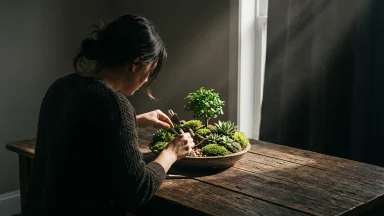
Forest bathing, or shinrin-yoku, is a Japanese practice of spending time in nature deliberately. Studies show that contact with natural environments can lower stress hormone levels, blood pressure and heart rate. Make use of the parks, beaches and trails near you. Even a small garden or a plant at home can help. Connection with nature is a simple but powerful way to reduce daily stress.
Building these practices into your life does not only counter stress; it builds a richer, more meaningful and more enjoyable existence. Purpose and the capacity to slow down are the pillars of greater well-being and resilience.
Building the Strategies Into Your Daily Life
Putting these five strategies to reduce daily stress into practice need not be an overnight revolution. The secret is consistency and gradual adaptation. 2026 can be the year you change how you handle life’s pressures, building a future with more calm and well-being.
Start small, think big
Do not try to change everything at once. Choose one or two strategies that resonate most with you and start implementing them in small doses. Begin with 10 minutes of daily meditation or a 15-minute walk. As those habits settle, add more. What matters is progression, not perfection.
Be patient and kind to yourself
There will be days when you cannot follow your plan perfectly, and that is normal. Stress is part of human experience. The goal is not to eliminate it entirely but to develop the tools to manage it effectively. Do not blame yourself for slips; simply pick it up again the next day. Self-compassion is a vital component of any effort to reduce daily stress.
Create a personalised plan
Everyone is different, and what works for one person may not work for another. Assess your routine, your stress triggers and your preferences. You may prefer outdoor exercise to the gym, or guided meditation to silence. Personalise the strategies so they fit your life and are sustainable. A plan you can actually follow is far more effective than a perfect plan you abandon within a week.
Seek support and share
Share your intentions with friends and family. They can offer support, encouragement or even join in with some of the activities. Shared accountability can be a great motivator. Joining groups or communities focused on well-being can also provide a sense of belonging and new ideas for helping you reduce daily stress.
Track your progress
Notice how you feel over time. Are you sleeping better? Has your irritability eased? Do you feel more focused and energised? Noting your observations in a journal can be very helpful for identifying what is working and what needs adjusting. Celebrating small wins reinforces your commitment to the process of learning to reduce daily stress.
Remember, stress management is a continuing journey rather than a final destination. Life’s demands will keep arriving, but with these five well-evidenced strategies you will be far better prepared to meet them with composure and resilience. 2026 is your opportunity to prioritise your well-being and build a fuller, more balanced life. Start investing in yourself today.
Conclusion: A New Look at Well-Being in 2026
We have reached the end of this practical guide, and we hope the five strategies presented are not only information but an invitation to act. The challenge of learning to reduce daily stress is real, especially for anyone navigating a landscape of constant change. The good news is that you have the power to influence your stress levels significantly and, with them, your quality of life.
To recap, the strategies we explored are:
- Effective time and priority management: To take back control of your schedule and focus on what actually matters.
- Prioritising physical health and well-being: Through good food, exercise, sleep and hydration.
- Mindfulness and relaxation practices: To anchor in the present and cultivate inner calm.
- Stronger social connections and healthy boundaries: To nurture relationships and protect your energy.
- Developing a sense of purpose and learning to slow down: To find meaning and enjoy life more.
Each of these strategies, applied deliberately, contributes to a virtuous circle of well-being. They are not magic solutions but tools that, with practice and persistence, can reshape your response to stress and build lasting resilience. 2026 offers you a fresh page, an opportunity to reassess your priorities and commit to a way of living that supports your mental and physical health.
Remember that investing in yourself is not selfishness but necessity. Someone with less stress is more productive, more creative, more patient and happier, which has a positive effect on everyone around them. Learning to reduce daily stress improves not only your own life but the atmosphere at home, at work and in your community.
Start today. Choose one small change, one simple step, and commit to it. The journey toward a less stressful life is a continuing process of learning and growth. Celebrate every small win and be kind to yourself when it is hard. You deserve to live fully, with more calm and more joy. Let 2026 be the year you take charge of your well-being and discover the transformative power of managing stress effectively.