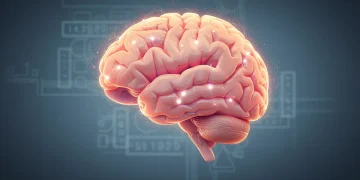
Neuroplasticity: Rewire Your Brain for Focus in 3 Months

Neuroplasticity allows the brain to reorganize itself by forming new neural connections throughout life, enabling enhanced focus and cognitive abilities through targeted mental exercises over a three-month period.
In today’s fast-paced world, maintaining sharp focus is more challenging than ever. However, the groundbreaking science of neuroplasticity offers a revolutionary solution. An Insider’s Guide to Neuroplasticity: How 3 Months of Targeted Mental Exercises Can Rewire Your Brain for Enhanced Focus, According to US Cognitive Scientists, reveals that our brains are not static entities but dynamic, adaptable organs capable of profound transformation. This guide explores how deliberate practices can fundamentally alter neural pathways, leading to significantly improved concentration and cognitive performance.
Understanding Neuroplasticity: The Brain’s Remarkable Adaptability
Neuroplasticity, often referred to as brain plasticity, is the brain’s ability to change and adapt throughout an individual’s life. This incredible capacity allows neural networks in the brain to grow, reorganize, and form new connections in response to experiences, learning, and environmental changes. Far from being a fixed organ after childhood, the adult brain continuously reshapes itself, offering immense potential for cognitive improvement and recovery from injury.
This biological phenomenon underpins all learning and memory. When we learn a new skill, practice an instrument, or even adapt to a new environment, our brain’s structure and function undergo subtle yet significant modifications. These changes can involve the strengthening or weakening of synaptic connections, the creation of new neurons (neurogenesis), or the reorganization of cortical maps. Understanding this fundamental principle is the first step toward harnessing it for personal cognitive enhancement.
The Science Behind Brain Rewiring
Cognitive scientists in the US and worldwide have extensively studied neuroplasticity, identifying various mechanisms through which it operates. Research indicates that specific types of activities can trigger distinct plastic changes. For instance, engaging in complex problem-solving tasks can enhance executive functions, while mindfulness practices can improve attention regulation and emotional processing.
- Synaptic Plasticity: The most common form, involving changes in the strength of connections between neurons. This is crucial for learning and memory formation.
- Structural Plasticity: Refers to alterations in the brain’s physical structure, such as changes in the volume of gray matter or the growth of new dendrites and axons.
- Functional Plasticity: Involves changes in how different brain regions process information, often seen when one area compensates for damage in another.
The brain’s ability to adapt is not limitless but is highly responsive to consistent and challenging stimuli. This means that merely wishing for better focus is insufficient; active engagement in specific mental exercises is required to instigate these beneficial changes. The duration and intensity of these exercises play a crucial role in determining the extent and permanence of the neuroplastic changes.
Historical Context and Modern Discoveries
For a long time, it was believed that the adult brain was largely immutable. This view began to shift in the latter half of the 20th century with pioneering research demonstrating that the brain could indeed reorganize itself. Early studies on sensory deprivation and enrichment in animals provided compelling evidence. Today, advanced neuroimaging techniques allow scientists to observe these changes in real-time in humans, validating the profound impact of intentional mental training.
Modern discoveries continue to refine our understanding, showing that factors like sleep, nutrition, and stress management also significantly influence neuroplasticity. This holistic perspective emphasizes that brain health is interconnected with overall well-being. By integrating these insights, individuals can create an optimal environment for their brains to thrive and enhance their cognitive capabilities, particularly in areas like focus and attention.
The Three-Month Blueprint: A Scientific Approach to Enhanced Focus
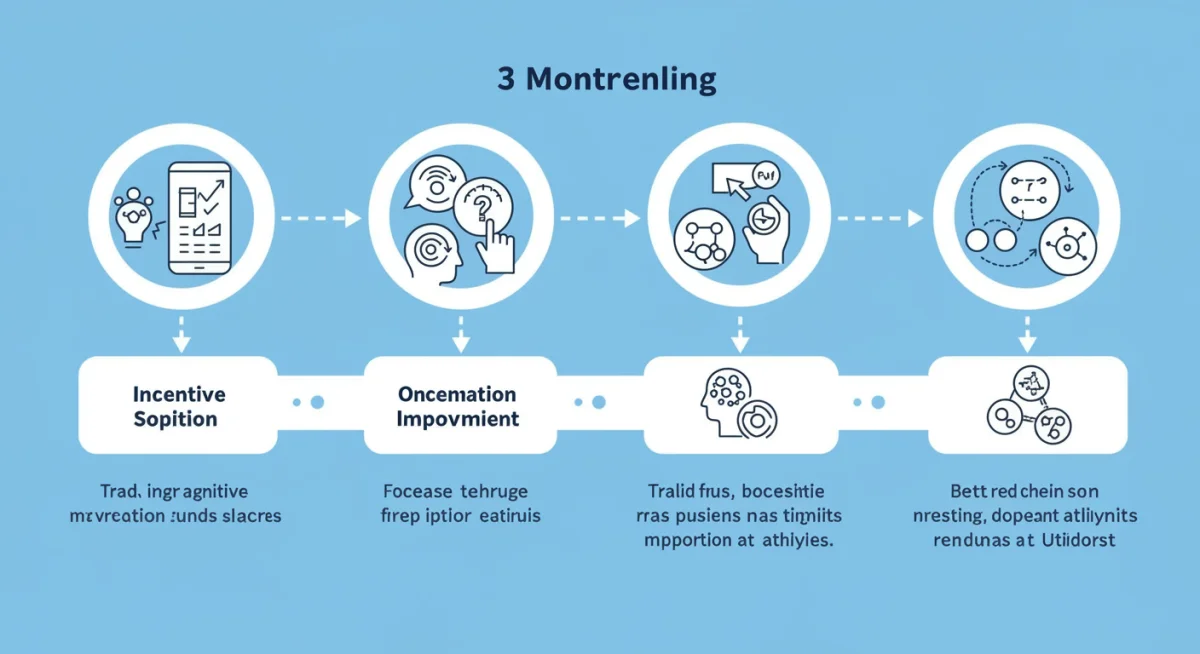
Achieving enhanced focus isn’t a matter of simply trying harder; it’s about systematically training your brain. US cognitive scientists suggest that a three-month period of consistent, targeted mental exercises is often sufficient to observe significant and measurable improvements in attentional control and overall cognitive function. This timeframe allows for the gradual but profound structural and functional changes necessary for genuine brain rewiring.
The three-month blueprint is not arbitrary. It aligns with the biological timelines required for new neural pathways to strengthen and become efficient. Just as building muscle takes time and consistent effort, so too does the remodeling of brain circuits. During this period, the brain adapts by creating more efficient connections for tasks requiring sustained attention, filtering out distractions, and improving working memory capacity.
Phase 1: Foundation and Awareness (Month 1)
The initial month focuses on establishing a baseline of awareness and introducing foundational exercises. The goal is to gently challenge the brain and begin the process of identifying attentional weaknesses. This phase often involves practices that heighten sensory awareness and introduce basic mindfulness techniques.
- Mindfulness Meditation: Start with 5-10 minutes daily, focusing on breath. This cultivates present-moment awareness and helps recognize mind-wandering.
- Focused Attention Tasks: Engage in activities requiring sustained attention for short periods, such as reading a complex article without interruption or solving simple puzzles.
- Digital Detox Periods: Implement short breaks from digital devices to reduce constant stimulation and allow the brain to reset.
This foundational phase is crucial for preparing the brain for more intensive training. It helps individuals become more attuned to their own attentional patterns and recognize when their focus drifts, a critical first step in developing better control. Consistency, even for short durations, is more important than sporadic long sessions during this initial period.
Phase 2: Intensive Training and Challenge (Month 2)
Building on the foundation laid in month one, the second month introduces more challenging and varied exercises designed to push cognitive limits. The intensity and duration of the mental workouts increase, encouraging the brain to form stronger, more robust connections related to focus and executive function.
This phase often involves a combination of cognitive training exercises. These are not merely rote memorization tasks but activities that demand active problem-solving, strategic thinking, and the inhibition of distracting impulses. The brain actively works to create new neural pathways and strengthen existing ones.
- Dual-N-Back Training: A working memory task shown to improve fluid intelligence and attention.
- Complex Problem Solving: Tackle challenging puzzles, learn a new language, or engage in strategic games that demand sustained mental effort.
- Deep Work Sessions: Dedicate specific blocks of time (e.g., 60-90 minutes) to a single, demanding task without any distractions.
During this period, individuals may notice a tangible increase in their ability to concentrate for longer periods and a reduction in susceptibility to everyday distractions. The brain is actively rewiring itself to prioritize and sustain attention more effectively. The key is to consistently introduce novel challenges to prevent the brain from becoming complacent.
Phase 3: Integration and Sustainment (Month 3)
The final month focuses on integrating the newly acquired cognitive skills into daily life and establishing sustainable practices. The goal is not just to temporarily enhance focus but to make it a lasting attribute. This involves applying the learned techniques in real-world scenarios and continuing to reinforce the neural changes.
This phase emphasizes the transferability of cognitive gains. It’s about taking the improved focus from dedicated exercise sessions and using it to enhance productivity at work, improve learning, and enrich personal interactions. Regular reflection and adjustment of practices are also important to maintain progress.
- Mindful Task Engagement: Apply mindfulness principles to everyday tasks, such as eating, walking, or conversing, to improve present-moment awareness.
- Strategic Planning & Prioritization: Use enhanced focus to better organize tasks, set goals, and manage time effectively, reducing mental clutter.
- Continuous Learning: Engage in ongoing learning of new skills or subjects to keep the brain challenged and maintain its plastic capabilities.
By the end of the three months, individuals should experience a noticeable and sustained improvement in their ability to focus, manage distractions, and maintain cognitive clarity. This period marks a significant milestone in harnessing neuroplasticity for profound and lasting cognitive benefits.
Key Mental Exercises for Cognitive Enhancement
The effectiveness of rewiring your brain for enhanced focus lies in the consistent application of specific mental exercises. These exercises aren’t about brute force but about strategic engagement that stimulates the brain’s capacity for change. US cognitive scientists have identified several categories of activities that are particularly potent in promoting neuroplasticity related to attention and executive function.
It’s important to approach these exercises with an attitude of curiosity and persistence. Some may feel challenging at first, but that challenge is precisely what encourages the brain to adapt and strengthen. Variety in exercises also helps to engage different neural circuits, leading to more comprehensive cognitive improvements.

Mindfulness and Meditation Practices
Mindfulness meditation is perhaps one of the most well-researched and accessible tools for improving focus. By directing attention to the present moment, typically through breath awareness, individuals train their brains to sustain attention and recognize when their minds wander. Regular practice has been shown to increase gray matter in areas associated with attention, introspection, and emotional regulation.
Beyond formal meditation, integrating mindful moments throughout the day can also be highly beneficial. This could involve paying full attention to a simple activity like drinking a cup of coffee or listening intently to a conversation. These small acts collectively strengthen attentional muscles.
Cognitive Training Games and Puzzles
Brain training games, when designed with scientific principles, can be powerful tools. These often target specific cognitive domains such as working memory, processing speed, and attentional control. While the market is flooded with various apps, selecting those validated by research is key.
- Lumosity & BrainHQ: Platforms offering scientifically designed games to improve various cognitive functions.
- Chess and Strategic Board Games: Require sustained attention, planning, and problem-solving.
- Sudoku and Crossword Puzzles: Excellent for logical reasoning and sustained concentration.
The challenge level should ideally be adaptive, increasing in difficulty as your skills improve. This ‘just right’ challenge keeps the brain engaged and continuously stimulates new neural growth. Consistency in playing these games, even for short daily sessions, yields cumulative benefits over time.
Learning New Skills and Languages
Engaging in novel and complex learning experiences is a potent driver of neuroplasticity. When you learn a new language, play a musical instrument, or acquire a new technical skill, your brain is forced to create new neural pathways and strengthen existing ones. This process inherently demands high levels of focus and sustained attention.
The effort involved in grappling with new concepts, mastering unfamiliar motor skills, or memorizing new vocabulary directly contributes to an increase in cognitive flexibility and attentional capacity. The more challenging and novel the skill, the greater the potential for neuroplastic changes. This continuous learning approach ensures the brain remains active and adaptable.
The Role of Lifestyle Factors in Sustaining Focus
While targeted mental exercises are crucial for rewiring the brain, their effectiveness is greatly amplified by supportive lifestyle factors. Neuroplasticity doesn’t occur in isolation; it’s deeply influenced by our overall physical and mental well-being. US cognitive scientists emphasize that optimizing these factors creates an ideal environment for the brain to adapt and sustain enhanced focus.
Neglecting these foundational elements can undermine even the most diligent brain training efforts. Think of it as providing the necessary fuel and maintenance for a high-performance engine. A holistic approach ensures that the brain has the resources it needs to build and maintain new, efficient neural connections.
Quality Sleep: The Brain’s Reset Button
Sleep is not merely a period of rest; it’s a critical time for brain repair, memory consolidation, and waste removal. During deep sleep, the brain processes information, strengthens synaptic connections formed during the day, and clears out metabolic byproducts. Chronic sleep deprivation severely impairs focus, attention, and cognitive flexibility.
- Aim for 7-9 hours: Most adults require this range for optimal cognitive function.
- Consistent Sleep Schedule: Going to bed and waking up at the same time, even on weekends, regulates your circadian rhythm.
- Optimize Sleep Environment: Ensure your bedroom is dark, quiet, and cool to promote restorative sleep.
Prioritizing quality sleep is one of the most impactful strategies for supporting neuroplasticity and maintaining enhanced focus. It allows the brain to consolidate the changes induced by mental exercises and prepares it for new learning and challenges.
Nutrition: Fueling Your Brain’s Potential
The food we eat directly impacts brain health and cognitive function. A diet rich in essential nutrients provides the building blocks for neurotransmitters, supports neural growth, and protects brain cells from damage. Certain nutrients are particularly beneficial for focus and overall brain plasticity.
Avoiding highly processed foods, excessive sugar, and unhealthy fats is equally important, as these can contribute to inflammation and oxidative stress, which are detrimental to brain health. A balanced and nutrient-dense diet is a cornerstone of cognitive well-being.
- Omega-3 Fatty Acids: Found in fatty fish, walnuts, and flaxseeds, crucial for brain structure and function.
- Antioxidants: Abundant in berries, leafy greens, and dark chocolate, protect brain cells from damage.
- B Vitamins: Essential for neurotransmitter production and energy metabolism in the brain.
Hydration is also a frequently overlooked aspect of brain nutrition. Even mild dehydration can impair concentration and cognitive performance. Ensuring adequate water intake throughout the day is a simple yet effective way to support sustained focus.
Physical Activity: Enhancing Brain Blood Flow and Neurogenesis
Regular physical exercise is a powerful catalyst for neuroplasticity. It increases blood flow to the brain, delivering more oxygen and nutrients, and stimulates the production of neurotrophic factors, such as Brain-Derived Neurotrophic Factor (BDNF), which promotes the growth of new neurons and strengthens synaptic connections.
Exercise also helps reduce stress and improve mood, both of which indirectly support cognitive function and focus. Even moderate activity, such as a daily brisk walk, can have significant positive effects on brain health and its ability to adapt and rewire.
Measuring Progress and Sustaining Gains
Embarking on a three-month journey to rewire your brain for enhanced focus requires not only consistent effort but also a way to track progress. US cognitive scientists emphasize the importance of objective and subjective measures to assess the effectiveness of mental exercises and lifestyle changes. This allows for adjustments to the training regimen and provides motivation to continue.
Sustaining the gains achieved over three months is equally important. Neuroplasticity is an ongoing process, and just as the brain can adapt to improve, it can also revert if the stimulating practices are abandoned. Integrating brain-healthy habits into a long-term lifestyle is key to maintaining peak cognitive performance.
Tracking Cognitive Improvements
Measuring changes in focus and attention can be done through various methods, from simple self-assessments to more sophisticated cognitive tests. Keeping a journal can be a valuable tool for subjective tracking.
- Self-Assessment Journals: Regularly note your ability to concentrate, duration of focused work, and instances of distraction.
- Online Cognitive Tests: Utilize platforms that offer standardized tests for attention, working memory, and processing speed (e.g., those found on BrainHQ or Lumosity).
- Performance Metrics: Track improvements in work productivity, learning speed, or task completion times.
It’s important to be patient and realistic. While significant changes can occur in three months, progress isn’t always linear. Some days may feel more challenging than others, but consistent effort over time will yield measurable improvements. Celebrating small victories can help maintain motivation.
Long-Term Strategies for Brain Health
Maintaining a sharp and focused mind beyond the initial three months requires a commitment to continuous learning and a brain-healthy lifestyle. The principles of neuroplasticity suggest that the brain thrives on novelty and challenge, so incorporating new experiences is vital.
Integrating a variety of cognitive activities ensures that different brain regions remain active and adaptable. This could mean rotating through different types of puzzles, learning new skills, or engaging in social interactions that challenge your perspective. The brain is a use-it-or-lose-it organ, and continuous stimulation is its lifeblood.
- Lifelong Learning: Continuously acquire new knowledge or skills, whether it’s a hobby, a language, or a professional certification.
- Social Engagement: Active social interaction challenges the brain, improving communication skills and cognitive flexibility.
- Stress Management: Chronic stress is detrimental to neuroplasticity. Practices like yoga, meditation, or spending time in nature can mitigate its effects.
Regular physical activity, a balanced diet, and sufficient sleep remain non-negotiable pillars of long-term brain health. These lifestyle choices create the optimal physiological environment for your brain to continue adapting, growing, and maintaining enhanced focus for years to come.
Common Pitfalls and How to Overcome Them
The journey to rewiring your brain for enhanced focus is not without its challenges. Many individuals encounter common pitfalls that can derail their progress. Recognizing these obstacles and developing strategies to overcome them is crucial for successfully completing the three-month program and sustaining long-term cognitive gains. US cognitive scientists highlight several areas where people often struggle, offering insights into effective countermeasures.
One of the primary challenges is maintaining consistency, especially when immediate results aren’t apparent. Neuroplastic changes are gradual, and it’s easy to become discouraged if progress feels slow. Understanding the nature of brain adaptation and celebrating small, incremental improvements can help keep motivation high.
Lack of Consistency and Motivation
The most significant barrier to success is often the inability to stick with the program. Life gets busy, and mental exercises can feel like another chore. Without consistent effort, the brain won’t receive the sustained stimulation needed to form and strengthen new neural pathways.
- Set Realistic Goals: Start with short, manageable daily sessions and gradually increase duration.
- Schedule Your Practices: Treat mental exercises like important appointments in your calendar.
- Find Your ‘Why’: Regularly remind yourself of the benefits of enhanced focus and how it aligns with your personal goals.
To combat waning motivation, consider making your brain training activities enjoyable. If you dread a particular exercise, try a different one. The key is to find activities that challenge you without feeling like an unbearable burden. Partnering with someone or joining a group can also add an element of accountability and social support.
Overwhelm and Burnout
Attempting too much too soon can lead to burnout. The brain, like any muscle, needs periods of rest and recovery. Pushing too hard without adequate breaks can be counterproductive, leading to frustration and reduced cognitive performance. It’s a marathon, not a sprint.
This pitfall often arises from an overly ambitious schedule or a misunderstanding of how neuroplasticity works. Gradual progression is more effective than intense, short-lived bursts of effort. Listen to your body and mind, and don’t be afraid to take a step back if you feel overwhelmed.
- Incorporate Breaks: Use the Pomodoro Technique or similar methods to integrate short breaks during focused work.
- Vary Your Exercises: Switch between different types of mental challenges to engage various brain regions and prevent monotony.
- Prioritize Rest: Ensure you are getting enough sleep and incorporating relaxation techniques into your daily routine.
Recognizing the signs of burnout early, such as increased irritability, difficulty concentrating, or persistent fatigue, is crucial. Adjusting your routine to include more downtime or less intense activities can prevent a complete halt in your progress. The goal is sustainable growth, not rapid exhaustion.
Distraction and Digital Overload
In our hyper-connected world, distractions are ubiquitous. Notifications, social media, and constant digital stimulation can severely undermine efforts to improve focus. The brain becomes accustomed to rapid context switching, making sustained attention more difficult.
Overcoming digital overload requires intentional effort and setting clear boundaries. It’s not about completely eliminating technology but about using it mindfully and strategically. Creating periods of ‘digital silence’ can be incredibly beneficial for brain training.
- Turn Off Notifications: Silence non-essential alerts on your phone and computer.
- Use Focus Apps: Tools like Freedom or Cold Turkey can block distracting websites and applications.
- Create a Dedicated Work Space: Designate an area free from digital and physical clutter specifically for focused tasks.
Developing a habit of single-tasking rather than multitasking also helps. Multitasking, though it feels productive, often leads to superficial engagement and reduces overall efficiency. Training your brain to focus on one task at a time is a powerful way to enhance concentration and rewire for better attention.
The Future of Cognitive Enhancement: Beyond Three Months
The insights from US cognitive scientists underscore that the benefits of neuroplasticity extend far beyond a three-month program. While this initial period can significantly rewire your brain for enhanced focus, it represents the beginning of a lifelong journey of cognitive optimization. The brain’s capacity for change is continuous, offering ongoing opportunities for growth, adaptation, and sustained mental acuity.
As our understanding of neuroplasticity deepens, so too will the sophistication of techniques available for cognitive enhancement. Future research may uncover even more precise methods for targeting specific neural circuits, leading to personalized brain training regimens. However, the fundamental principles of consistent mental stimulation, healthy lifestyle, and mindful engagement will likely remain at the core of any effective strategy.
Emerging Technologies and Research
The field of cognitive science is rapidly advancing, with new technologies offering innovative ways to study and influence neuroplasticity. From advanced neuroimaging techniques that provide real-time feedback on brain activity to non-invasive brain stimulation methods, the tools for understanding and enhancing cognitive function are becoming increasingly sophisticated.
- Neurofeedback Training: Individuals learn to self-regulate brain activity by observing real-time displays of their brainwaves.
- Transcranial Magnetic Stimulation (TMS): A non-invasive procedure that uses magnetic fields to stimulate nerve cells in the brain, potentially enhancing cognitive functions.
- Personalized AI-Driven Programs: Artificial intelligence could tailor cognitive exercises to individual needs, optimizing training for maximum neuroplastic effect.
These emerging technologies, while still in various stages of research and development, hold immense promise for future cognitive enhancement. They may offer more targeted and efficient ways to promote neuroplastic changes, further refining our ability to rewire the brain for specific outcomes, such as sustained focus or improved memory.
Integrating Brain Training into Daily Life
The ultimate goal of understanding neuroplasticity is to integrate its principles into a sustainable lifestyle. This means moving beyond dedicated exercise sessions and embedding brain-healthy habits into the fabric of everyday living. Enhanced focus becomes less of a temporary achievement and more of an inherent quality.
This integration involves a conscious effort to seek out novel experiences, maintain intellectual curiosity, and engage in activities that demand active cognitive participation. It transforms routine tasks into opportunities for mental stimulation and growth, making cognitive enhancement a natural byproduct of living a rich and engaged life.
- Mindful Engagement with Hobbies: Approach hobbies like gardening, cooking, or playing music with full attention and a desire to learn.
- Active Problem-Solving: Instead of passively consuming information, actively seek to understand, analyze, and solve problems in your daily life.
- Continuous Social Learning: Engage in diverse conversations, listen actively, and learn from the perspectives of others.
By adopting this mindset, the brain remains in a state of continuous adaptation and growth. The three-month blueprint serves as a powerful accelerator, but the ongoing commitment to mental challenge and holistic well-being ensures that the gains in focus and cognitive function are not only maintained but continue to evolve throughout life.
| Key Concept | Brief Description |
|---|---|
| Neuroplasticity | The brain’s ability to reorganize itself by forming new neural connections throughout life, crucial for learning and adaptation. |
| 3-Month Blueprint | A structured period of targeted mental exercises designed to significantly enhance focus and cognitive function. |
| Key Exercises | Mindfulness meditation, cognitive training games, and learning new skills are vital for stimulating brain rewiring. |
| Lifestyle Factors | Sleep, nutrition, and physical activity are essential for supporting neuroplasticity and sustaining cognitive gains. |
Frequently Asked Questions About Brain Rewiring
While subtle changes can occur earlier, US cognitive scientists suggest significant and measurable improvements in focus and cognitive function typically become apparent after approximately three months of consistent, targeted mental exercises. This duration allows for substantial neural pathway reorganization.
Some brain training apps, particularly those developed with scientific backing like BrainHQ or Lumosity, have shown promise in improving specific cognitive functions, including focus. However, it’s crucial to choose apps that are research-based and to combine them with other proven mental exercises.
Yes, neuroplasticity plays a vital role in mitigating age-related cognitive decline. Engaging in lifelong learning, maintaining an active lifestyle, and practicing mental exercises can help preserve cognitive function and even enhance certain abilities as we age, promoting brain health.
Diet is crucial. A nutrient-rich diet with omega-3 fatty acids, antioxidants, and B vitamins supports neuroplasticity by providing essential building blocks for brain cells and protecting against damage. Proper nutrition fuels the brain’s ability to adapt and form new connections effectively.
To sustain enhanced focus long-term, integrate brain-healthy habits into your daily life. Continue with diverse mental challenges, prioritize quality sleep, maintain a balanced diet, and engage in regular physical activity. Lifelong learning and social engagement also continuously support brain adaptability.
Conclusion
The journey to enhanced focus through neuroplasticity is a testament to the brain’s extraordinary capacity for change. As revealed by US cognitive scientists, a dedicated three-month program of targeted mental exercises, coupled with supportive lifestyle choices, can fundamentally rewire neural pathways, leading to significant and lasting improvements in attention and cognitive performance. This insider’s guide underscores that our cognitive destiny is not fixed but is actively shaped by our consistent efforts and intentional practices. By embracing the principles of neuroplasticity, anyone can embark on a transformative path toward a sharper, more focused mind, fostering a richer, more engaged life.