Sleep Deprivation & Emotional Regulation: US Adult Impact

Research indicates that sleep deprivation emotional regulation is significantly impaired in US adults, leading to a measurable decline in the ability to manage emotional responses effectively, impacting daily life and overall well-being.
Understanding the intricate link between sleep deprivation emotional regulation is crucial, especially for US adults navigating demanding lives. This pervasive issue doesn’t just leave us feeling groggy; it fundamentally alters our capacity to manage our feelings, affecting everything from daily interactions to long-term mental health.
The foundational role of sleep in emotional processing
Sleep is far more than just a period of rest for the body; it’s a critical time for the brain to process information, consolidate memories, and, importantly, regulate emotions. When we consistently deprive ourselves of adequate sleep, these vital processes are severely disrupted, leading to a cascade of negative effects on our emotional well-being. The brain’s ability to maintain emotional equilibrium relies heavily on consistent, restorative sleep cycles.
During the various stages of sleep, particularly REM sleep, the brain actively works to integrate emotional experiences and reduce the intensity of emotional memories. This nocturnal ‘therapy’ allows us to wake up feeling refreshed and better equipped to handle the emotional challenges of the day. Without it, our emotional dashboard becomes overstimulated and less responsive.
Neural pathways and emotional resilience
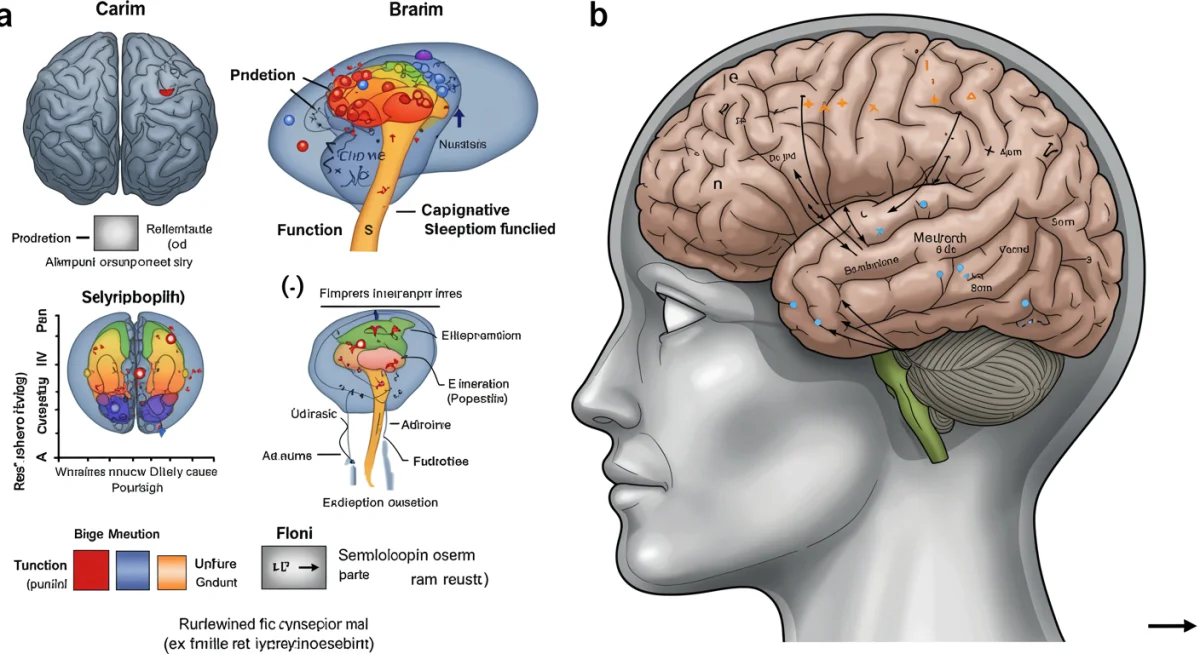
The amygdala, often referred to as the brain’s emotional center, plays a pivotal role in processing fear and other strong emotions. In individuals suffering from sleep deprivation, the amygdala shows heightened reactivity to negative stimuli, while its connections to the prefrontal cortex, responsible for executive functions like rational thought and decision-making, are weakened. This imbalance makes it harder to control emotional outbursts and promotes impulsive reactions.
- Reduced Prefrontal Cortex Activity: Impairs judgment and emotional control.
- Hyperactive Amygdala: Leads to increased emotional reactivity and stress.
- Disrupted Neurotransmitter Balance: Affects mood-regulating chemicals like serotonin and dopamine.
- Impaired Emotional Memory Consolidation: Prevents effective processing of emotional experiences.
Ultimately, the foundational role of sleep in emotional processing cannot be overstated. It is the bedrock upon which our emotional resilience is built, allowing us to navigate life’s complexities with greater calm and clarity. Ignoring its importance can lead to a fragile emotional state, making us vulnerable to stress, anxiety, and depression.
Quantifying the impact: a 25% decline in emotional regulation for US adults
Recent studies have shed light on the significant and measurable impact of sleep deprivation on emotional regulation among US adults. Data suggests a staggering 25% decline in the ability to effectively manage emotional responses in individuals who consistently experience insufficient sleep. This isn’t just a subjective feeling of being ‘grumpy’; it’s a quantifiable reduction in cognitive and emotional control mechanisms.
This 25% figure represents a critical threshold, indicating that a significant portion of the adult population in the United States is operating with a compromised capacity for emotional stability. Such a reduction can manifest in various ways, from increased irritability and mood swings to a diminished ability to cope with everyday stressors, profoundly affecting both personal and professional lives.
Methodologies behind the 25% figure
The methodologies used to arrive at this 25% figure often involve a combination of self-reported questionnaires, physiological measurements, and controlled laboratory experiments. Participants are typically assessed for their baseline emotional regulation capabilities after a full night’s sleep, and then re-evaluated after periods of restricted or disturbed sleep. Metrics include:
- Emotional Reactivity Tests: Measuring responses to emotionally charged images or scenarios.
- Self-Reported Mood Scales: Assessing levels of anger, anxiety, and sadness.
- Physiological Markers: Monitoring heart rate variability, cortisol levels, and skin conductance as indicators of stress response.
- Cognitive Task Performance: Evaluating decision-making and impulse control in emotionally laden contexts.
The consistent findings across these diverse research methods underscore the robustness of the 25% decline, highlighting a pervasive public health concern. This data provides insider knowledge into the silent struggle many US adults face daily due to inadequate sleep.
Understanding this quantifiable impact is the first step toward addressing the problem. It moves the conversation beyond anecdotal experiences to a data-driven understanding of how crucial sleep is for maintaining emotional health and overall well-being in the demanding landscape of modern American life.
The vicious cycle: sleep deprivation, stress, and mental health
The relationship between sleep deprivation, stress, and mental health is not linear but rather a complex, self-perpetuating cycle. Insufficient sleep heightens stress levels, which in turn makes it harder to fall and stay asleep, further exacerbating mental health issues. This intricate interplay creates a challenging environment for individuals trying to maintain emotional equilibrium.
When the body is sleep-deprived, it perceives itself to be under threat, triggering the release of stress hormones like cortisol. Elevated cortisol levels not only interfere with sleep but also contribute to feelings of anxiety and can worsen symptoms of depression. This biological response is a primal survival mechanism, but in the context of chronic sleep loss, it becomes detrimental.
Impact on anxiety and depression
Chronic sleep deprivation is a well-established risk factor for the development and worsening of anxiety disorders and depression. The inability to regulate emotions effectively, coupled with persistent stress, creates a fertile ground for these conditions to take root. Individuals may find themselves trapped in a loop where anxiety about sleep prevents them from sleeping, and the lack of sleep then fuels their anxiety.
- Increased Rumination: Sleep deprivation can lead to repetitive negative thoughts, a hallmark of anxiety and depression.
- Reduced Emotional Buffer: Minor stressors feel overwhelming due to a lack of emotional resilience.
- Social Withdrawal: Fatigue and irritability can lead to a decreased desire for social interaction, isolating individuals.
- Impaired Problem-Solving: The cognitive fog from sleep loss makes it harder to address underlying issues contributing to stress.
Breaking this vicious cycle often requires a multi-faceted approach, addressing sleep habits, stress management techniques, and, when necessary, professional mental health support. Recognizing the deep interconnectedness of these factors is key to developing effective interventions and fostering genuine emotional wellness.
Cognitive consequences: decision-making and impulse control
Beyond direct emotional regulation, sleep deprivation significantly impairs cognitive functions essential for daily life, particularly decision-making and impulse control. For US adults, who often face high-stakes decisions at work and in their personal lives, this can have far-reaching consequences. The tired brain struggles to process information efficiently, leading to poor choices and regrettable actions.
The prefrontal cortex, the brain region responsible for executive functions such as planning, problem-solving, and inhibiting inappropriate behaviors, is highly susceptible to the effects of sleep loss. When this area is compromised, our ability to think clearly, weigh options, and resist impulses is severely diminished, making us more prone to errors and rash decisions.
Real-world implications of impaired cognition
The real-world implications of these cognitive consequences are vast. In professional settings, impaired decision-making can lead to decreased productivity, errors in judgment, and difficulty in complex problem-solving. Personally, poor impulse control can manifest as unhealthy eating habits, increased substance use, or strained relationships due to reactive behaviors.
- Riskier Decisions: Sleep-deprived individuals tend to underestimate risks and overestimate potential rewards.
- Reduced Attention Span: Difficulty concentrating on tasks, leading to mistakes and inefficiency.
- Emotional Bias in Decisions: Decisions are more likely to be swayed by immediate feelings rather than rational assessment.
- Increased Irritability and Impatience: Contributes to conflict in personal and professional interactions.
Understanding how sleep deprivation erodes our cognitive faculties underscores the importance of prioritizing rest not just for emotional well-being, but also for maintaining optimal performance and making sound choices in all aspects of life. The impact extends far beyond feeling tired, influencing the very quality of our decisions and interactions.
Societal ripple effects: relationships and productivity
The individual struggle with sleep deprivation and emotional regulation inevitably creates broader societal ripple effects, particularly impacting personal relationships and overall productivity. When a significant portion of US adults is experiencing a quantifiable decline in emotional control, the fabric of social interactions and economic output begins to fray. The cumulative effect of widespread sleep loss is a less harmonious and less efficient society.
In relationships, impaired emotional regulation can lead to increased conflict, misunderstandings, and decreased empathy. Irritability, impatience, and a reduced capacity to handle stress make individuals more reactive and less supportive. This strain can affect family dynamics, friendships, and professional collaborations, creating tension where none might otherwise exist.
Economic and social costs
From an economic perspective, the impact on productivity is substantial. Sleep-deprived workers are less focused, more prone to errors, and take longer to complete tasks. This translates to reduced output, increased absenteeism, and a higher risk of accidents in the workplace. The healthcare system also bears a burden, as chronic sleep issues contribute to a myriad of physical and mental health problems.
- Increased Workplace Accidents: Fatigue is a major contributor to industrial and driving accidents.
- Decreased Job Satisfaction: Chronic stress and poor performance can lead to burnout and dissatisfaction.
- Higher Healthcare Costs: Treatment for sleep-related health issues and mental health conditions.
- Erosion of Social Capital: Strained relationships and decreased community engagement.
Recognizing these societal ripple effects highlights that sleep deprivation is not merely a personal inconvenience but a public health and economic challenge. Addressing it requires collective awareness and systemic changes, fostering environments that prioritize healthy sleep habits for the benefit of all.
Strategies for improving sleep and emotional well-being
Given the profound impact of sleep deprivation on emotional regulation, adopting effective strategies to improve sleep quality is paramount for enhancing overall well-being. For US adults struggling with chronic sleep issues, implementing consistent and healthy sleep habits can be transformative, leading to a noticeable improvement in mood, stress resilience, and emotional control.
Establishing a regular sleep schedule, even on weekends, helps to regulate the body’s natural circadian rhythm. Creating a conducive sleep environment – dark, quiet, and cool – can also significantly improve the ease of falling asleep and staying asleep. These seemingly small changes accumulate to create a powerful positive shift in sleep patterns.
Practical tips for a restful night
Beyond basic sleep hygiene, several other strategies can contribute to better sleep and, consequently, better emotional regulation. These include mindful practices, dietary adjustments, and understanding when to seek professional help. Consistency is key; integrating these habits into daily routines will yield the most benefits over time.
- Limit Caffeine and Alcohol: Especially in the hours leading up to bedtime, as they can disrupt sleep cycles.
- Incorporate Regular Exercise: Physical activity promotes deeper sleep, but avoid intense workouts close to bedtime.
- Practice Relaxation Techniques: Meditation, deep breathing, or gentle stretching can calm the mind before sleep.
- Minimize Screen Time: The blue light emitted from electronic devices can interfere with melatonin production.
- Consider a Sleep Diary: Track sleep patterns and identify potential disruptors to discuss with a healthcare professional.
If self-help strategies prove insufficient, it’s essential to consult with a doctor or a sleep specialist. They can help identify underlying medical conditions, such as sleep apnea or insomnia, and recommend appropriate treatments. Prioritizing sleep is an investment in both physical and emotional health, empowering individuals to navigate life with greater resilience and joy.
| Key Impact Area | Brief Description of Effect |
|---|---|
| Emotional Regulation | 25% decline in ability to manage emotions, leading to increased irritability and mood swings. |
| Cognitive Function | Impaired decision-making, reduced impulse control, and difficulty with focus and problem-solving. |
| Mental Health | Increased risk and exacerbation of anxiety, depression, and stress-related disorders. |
| Societal Impact | Strained relationships, decreased workplace productivity, and higher healthcare costs. |
Frequently asked questions about sleep and emotions
Sleep deprivation impairs the prefrontal cortex’s ability to communicate with the amygdala, leading to heightened emotional reactivity and reduced capacity to control impulses. This imbalance makes it harder for adults to process and respond to emotions rationally, often resulting in increased irritability and stress.
The 25% decline represents a significant, measurable reduction in an adult’s ability to manage emotions effectively. This quantification highlights the substantial impact of insufficient sleep on daily functioning, relationships, and overall mental well-being, underscoring it as a critical public health concern.
Yes, adopting consistent healthy sleep habits can significantly mitigate and often reverse the negative effects of sleep deprivation on emotional regulation. Restorative sleep allows the brain to rebalance its emotional processing centers, improving mood stability, stress resilience, and cognitive control over time.
Common signs include increased irritability, frequent mood swings, heightened stress reactions to minor issues, difficulty concentrating, impulsivity, and a general feeling of being overwhelmed. These symptoms often disrupt daily life and personal interactions, indicating a need for better sleep.
If sleep deprivation persistently impacts emotional regulation, leading to significant distress, impairing daily functioning, or contributing to mental health conditions like anxiety or depression, it is advisable to seek professional help from a doctor or sleep specialist. They can diagnose underlying issues and recommend appropriate interventions.
Conclusion
The profound connection between sleep deprivation and emotional regulation in US adults cannot be overstated. The quantifiable 25% decline in the ability to manage emotions due to insufficient sleep highlights a pervasive challenge with far-reaching consequences for individual well-being and societal health. Prioritizing consistent, quality sleep is not merely about feeling rested; it is a fundamental pillar of emotional resilience, cognitive function, and mental health. By understanding this critical link and implementing effective sleep strategies, individuals can reclaim their emotional balance and navigate the complexities of modern life with greater calm and clarity. Investing in sleep is investing in a healthier, more emotionally stable self.