Advertisement
How to strengthen emotional wellbeing with a healthy routine and positive relationships: take up regular sleep, balanced eating, daily movement, breathing and journaling practices, empathetic communication, clear boundaries and simple habit tracking to secure emotional stability and a gradual lift in mood and energy.
How to strengthen emotional wellbeing with a healthy routine and positive relationships can look like a distant goal, but small changes reshape daily life. Have you thought about trying one better night of sleep, or an honest conversation with someone close? Here you will find practical steps and real examples to start now.
Daily routine: sleep, food and movement
Strengthening emotional wellbeing with a healthy routine and positive relationships starts with small daily choices that shape sleep, eating and movement.
By adjusting these three pillars you build a stable base for mood, energy and connection with others.
Advertisement
Sleep: regularity and sleep hygiene
Keeping consistent hours helps your body clock. Aim for a sleep pattern that allows 7 to 9 hours of rest.
- Set a bedtime and a waking time, weekends included.
- Switch off screens 30-60 minutes beforehand and create a relaxing ritual.
- Keep the bedroom dark, cool and quiet.
Small changes, such as cutting caffeine in the afternoon, improve sleep quality and reduce irritability the next day.
Food: nutrients that support mood
Eating regularly steadies energy and prevents dips in mood. Choose foods that sustain the brain.
Advertisement
- Include lean protein, wholegrains and healthy fats.
- Eat fruit, vegetables and fibre-rich foods every day.
- Hydrate through the day; dehydration affects concentration and mood.
Simple, balanced meals support mental clarity and reduce anxiety. Avoid sugar spikes that cause energy swings.
Movement: frequent and enjoyable activity
Moving regulates stress and releases feel-good hormones. It does not need to be intense to make a difference.
- Do 20-30 minutes of walking, dancing or stretching most days.
- Break up long periods of sitting with short bursts of activity every hour.
- Choose exercise you enjoy, to make it easier to keep going.
Combining movement with friends or family also strengthens positive relationships, creating social motivation to maintain the healthy routine.
Bring sleep, food and movement together gradually: small weekly goals tend to be more sustainable than radical changes.
Aligning these pillars gives you a practical foundation for emotional wellbeing, with real gains in energy, mood and your relationships.
Emotional regulation practices: breathing and journaling

Strengthening emotional wellbeing with a healthy routine and positive relationships also means learning to regulate emotions with simple practices such as breathing and journaling.
These short habits help clear the mind and reduce tension in difficult moments.
Practical breathing techniques
Conscious breathing calms the nervous system and is easy to do anywhere.
- 4-4-4 breathing: in for 4s, hold for 4s, out for 4s to ease anxiety quickly.
- Diaphragmatic breathing: place a hand on your abdomen and feel it rise as you breathe in.
- Box breathing: repeat slow cycles for 2-5 minutes for focus and clarity.
Practise for a few minutes when you wake up or before important decisions. Short repetitions have a cumulative effect.
How to use journaling to understand emotions
Writing helps turn feelings into words and reveals patterns.
Start with simple openers: “I feel…”, “I think…”, “I need…”. That makes it easier to order your thoughts without pressure.
- Write for 5 minutes in the morning to set intentions.
- In the evening, write down three things you learnt that day to encourage gratitude.
- Keep one section for identifying triggers and possible healthier responses.
Journaling does not have to be polished: rough notes and loose words already help reduce rumination.
Alternating breathing and writing can amplify the effect: first calm the body, then order your thoughts on paper.
A short ritual to bring the practices together
Create a 10-minute mini-ritual that combines breathing and journaling for stressful moments.
- 2 minutes of deep breathing to bring tension down.
- 5 minutes of free writing about what you are feeling.
- 3 minutes to choose one small, concrete action.
Repeating this ritual a few times a week makes emotional regulation more accessible and more automatic.
These simple practices help restore emotional balance and respond better during conflict or on hard days.
Healthy relationships: communication, support and boundaries
Strengthening emotional wellbeing with a healthy routine and positive relationships depends heavily on the quality of everyday connections. Good conversations and clear boundaries make life together safer and lighter.
Here are concrete practices for improving communication, offering support and holding boundaries without losing closeness.
Clear, empathetic communication
Talk about what matters calmly and without judgement. Use phrasing that expresses your feelings and needs.
- Use first-person messages: “I feel… when…” to lower defences.
- Practise active listening: repeat back what you heard before replying.
- Avoid accusations and focus on practical solutions.
Communicating well builds trust and makes it easier to agree expectations within the healthy routine.
Mutual support day to day
Showing support does not call for grand gestures. Small daily actions make the difference.
- Offer specific help: “Shall I do X today?” rather than “can I help?”.
- Validate emotions: listening without minimising is a powerful form of care.
- Create short check-in rituals: a message in the morning or a quick conversation at night.
Consistent support reinforces positive relationships and reduces the sense of isolation in difficult moments.
When support runs both ways, each person feels more able to keep healthy habits and cope with stress.
Setting and holding boundaries with respect
Clear boundaries protect wellbeing without cutting off affection. Explain what is acceptable, and why.
- Be direct and kind: state the boundary and offer an alternative.
- Stay consistent, so the boundary is understood and respected.
- Agree simple, proportionate consequences if the boundary is crossed.
Boundaries help preserve personal space and time for self-care, both essential to emotional wellbeing.
Bringing together empathetic communication, practical support and clear boundaries creates an environment in which the healthy routine and positive relationships reinforce each other.
Sustaining habits: adapting routines, preventing relapse and measuring progress
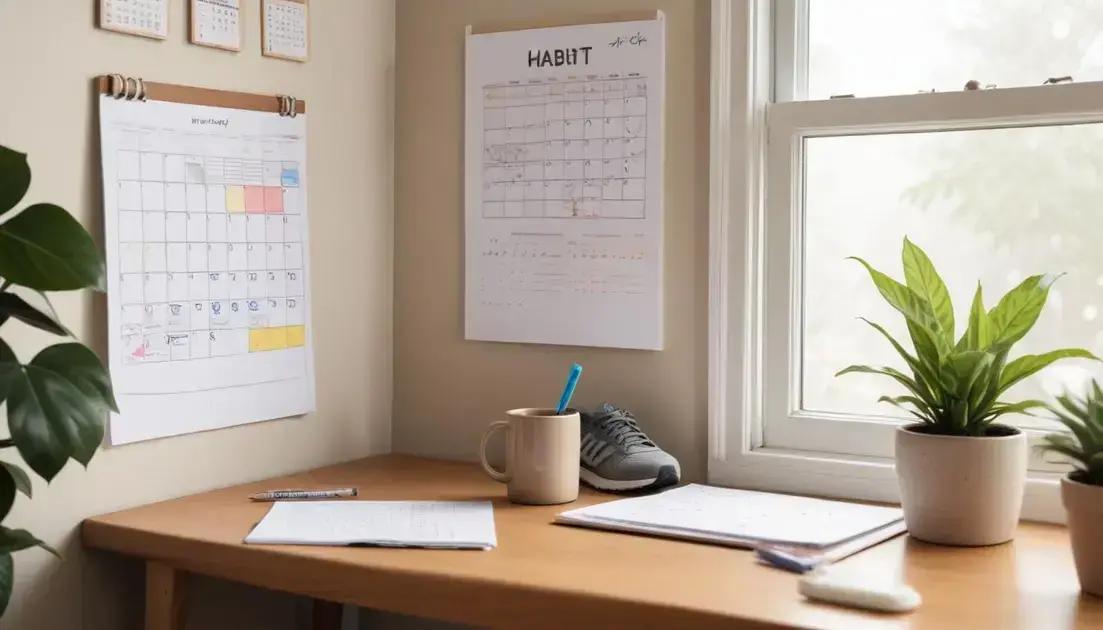
Strengthening emotional wellbeing with a healthy routine and positive relationships depends less on pure discipline and more on consciously adapting daily life.
Small consistent changes, relapse prevention and simple ways of measuring progress are what make habits sustainable.
Adapt the routine to your own rhythm
Start by identifying the times of day when you have most energy and fewest interruptions. Fit activities into that window.
Lower your expectations: a small habit you keep beats a big one you abandon.
Practical techniques for adjusting habits
Use strategies that make it easier to keep going without demanding much willpower.
- Micro-habits: break the goal into 1-5 minute steps to build consistency.
- Habit stacking: attach the new habit to an established routine (for example, stretching after brushing your teeth).
- Environmental cues: keep things to hand (trainers in sight, water bottle filled).
- Planned flexibility: mark “light” days so you can absorb the unexpected.
These adjustments reduce friction and improve the chance of carrying on without guilt.
To prevent relapse, look out for warning signs such as poor sleep, withdrawal or a lost routine. Have a simple plan for those moments.
When things slip, return gradually. Perfectionism usually gets in the way more than the occasional lapse does.
Measuring progress simply
Measuring does not have to be complicated. Small data points reveal trends and keep you going.
- Use a daily marker: an X on the calendar creates visual momentum.
- Record your mood on a scale of 1 to 5 to spot patterns.
- Do a 5-minute weekly review to adjust your goals.
- Celebrate small wins to reinforce the habit.
Note what worked and what got in the way. Adjust goals on the evidence, not on rigid expectations.
By combining practical adaptation, relapse prevention and simple measurement, you keep habits going with less effort and more consistency. That way emotional wellbeing benefits continuously.
Taking up a healthy routine and cultivating positive relationships strengthens emotional wellbeing. Small daily actions – regular sleep, balanced eating, movement and regulation practices – produce real results. Start with simple goals and adjust them as needed to keep the progress going.
FAQ – Strengthening emotional wellbeing with a healthy routine
How long until I see results from improving sleep, food and movement?
Small improvements show within days or weeks; more lasting change usually takes a few weeks to a few months of consistent practice.
What should I do when I still cannot sleep well, even after improving my routine?
Review your pre-sleep habits (fewer screens, no late caffeine), build a relaxing ritual and keep regular hours; if it persists, see a healthcare professional.
How do I start journaling when I do not know what to write?
Start with 5 minutes a day using simple openers such as “I feel…”, “Today I want…”, or note three moments from the day; it does not have to be perfect.
How do I set boundaries without hurting the people close to me?
Be clear and kind: use first-person messages, offer alternatives and stay consistent; explaining the reason helps reduce misunderstandings.