Advertisement
Stress Relief: 7 Foods That Ease Anxiety and Improve Mood in 2026
In a world that moves ever faster and is full of challenges, stress and anxiety have become unwelcome companions for many people. The search for effective, natural ways to manage those feelings is constant, and food emerges as a powerful and often underestimated tool. In 2026, science continues to uncover the deep connection between what we eat and our mental well-being. This is not only about nourishing the body but about feeding the mind, with a direct impact on our mood, our capacity to handle stress and even the quality of our sleep.
This article looks at nutrition to present seven foods that stand out for their capacity to ease anxiety and support a more positive mood. Get ready to discover how small changes to your diet can bring big benefits to your mental health, transforming your relationship with stress and anxiety in a delicious and natural way.
The Gut-Brain Connection: Why Food Matters
Before we look at specific foods, it is fundamental to understand the science behind the relationship between diet, stress and mood. The idea of the gut-brain axis has been gaining attention, revealing that our digestive system is far more than a place where food is processed. It houses trillions of microorganisms that make up the gut microbiome, a genuine “second brain” in constant communication with the main one through a complex network of nerves, hormones and neurotransmitters.
A healthy, balanced microbiome is crucial to the production of neurotransmitters such as serotonin, known as the happiness hormone, which plays a vital role in regulating mood, sleep and appetite. Around 90% of the body’s serotonin is produced in the gut. When the microbiome is out of balance (dysbiosis), that production can be compromised, contributing to feelings of anxiety and depression.
Advertisement
Chronic inflammation, often triggered by a diet heavy in processed food, sugar and poor-quality fats, can also negatively affect brain function and mood. Foods that counter inflammation and support a healthy microbiome are therefore powerful allies in the fight against stress and anxiety.
Good nutrition provides the building blocks for producing neurotransmitters, protecting brain cells and regulating inflammatory processes. B vitamins, magnesium, omega-3 and tryptophan are just some of the nutrients that play crucial roles. By choosing foods rich in those components, we are not only nourishing our body but strengthening our mental resilience and supporting a more lasting state of well-being. That is why diet becomes a central pillar of any effective strategy for relieving stress and improving mood.
1. Avocado: The Creamy Ally for Well-Being
Avocado is far more than a delicious, versatile fruit; it is a genuine superfood for the brain and nervous system. Its nutrient density makes it one of the leading anti-anxiety foods.
Advertisement
Why Avocado Helps
- Healthy fats: Avocado is rich in monounsaturated fats, especially oleic acid, which are essential to brain health. These fats help keep cell membranes flexible and facilitate communication between neurons, which is vital to cognitive function and emotional balance.
- B vitamins: It contains vitamins B5 and B6 and folate (B9). B vitamins are crucial to producing neurotransmitters such as serotonin and dopamine, which regulate mood and sleep. Folate in particular has been associated with a reduced risk of depression.
- Magnesium: A vital mineral involved in more than 300 biochemical reactions in the body, including the regulation of nerve and muscle function. Magnesium deficiency is common and can lead to symptoms of anxiety, irritability and insomnia. Avocado is a good source of this calming mineral.
- Potassium: It helps regulate blood pressure and maintain fluid and electrolyte balance, contributing to less physical stress, which can otherwise make anxiety worse.
How to Add Avocado to Your Diet
Avocado can be added to salads, sandwiches and smoothies, or eaten on its own with a little salt and pepper. Guacamole is another delicious way to enjoy its benefits. Try adding half an avocado to your breakfast to start the day with a dose of brain nutrients.
2. Berries: Antioxidants for the Mind
Strawberries, blueberries, raspberries and blackberries are not only tasty; they are nutritional powerhouses packed with antioxidants, which makes them excellent anti-anxiety foods.
Why Berries Help
- Antioxidants (anthocyanins and flavonoids): Berries are loaded with antioxidants that counter oxidative stress in the body and brain. Oxidative stress has been linked to inflammation and the development of mood disorders. By protecting brain cells from damage, antioxidants support mental health.
- Vitamin C: Essential to the production of neurotransmitters and to immune health. Vitamin C may also help reduce levels of cortisol, the stress hormone.
- Fiber: It contributes to gut health by feeding the beneficial bacteria in the microbiome. As noted, a healthy microbiome is fundamental to serotonin production and to effective communication between gut and brain.
How to Add Berries to Your Diet
Enjoy fresh or frozen berries in smoothies, yogurt or cereal, or as a healthy snack on their own. They are also great in fruit salads or as a topping for wholegrain pancakes and waffles.
3. Oily Fish: The Power of Omega-3
Salmon, mackerel, sardines and herring are known for being rich in omega-3 fatty acids, especially EPA and DHA, which are crucial to brain health and can act as potent anti-anxiety foods.
Why Oily Fish Helps
- Omega-3 (EPA and DHA): These essential fatty acids are fundamental components of brain cell membranes. They play a vital role in brain function, neural communication and reducing inflammation. Studies show that omega-3 supplementation can reduce symptoms of anxiety and depression.
- Anti-inflammatory properties: Omega-3 is a powerful anti-inflammatory, and chronic inflammation in the body and brain has been associated with mood disorders.
- Vitamin D: Some oily fish, such as salmon, are also good sources of vitamin D, which plays a role in regulating mood and supporting mental health.
How to Add Oily Fish to Your Diet
Aim to eat oily fish two or three times a week. It can be baked, grilled or steamed. If you are not a fan of fish, consider a high-quality omega-3 supplement, always with professional guidance.
4. Greek Yogurt and Probiotics: A Happy Gut, a Calm Mind
Greek yogurt, rich in probiotics, is an excellent example of how gut health directly affects mental health. It is among the leading anti-anxiety foods for its contribution to the microbiome.
Why Greek Yogurt Helps
- Probiotics: Greek yogurt contains live cultures of beneficial bacteria that help balance the gut microbiome. A healthy microbiome is essential to producing neurotransmitters such as serotonin and to reducing systemic inflammation, both of which directly affect mood and anxiety.
- Protein: It is an excellent source of protein, which helps keep blood sugar stable and prevents the spikes and crashes that can lead to irritability and mood swings.
- Tryptophan: It contains tryptophan, an amino acid precursor of serotonin, which supports feelings of well-being and relaxation.
How to Add Greek Yogurt to Your Diet
Choose natural Greek yogurt with no added sugar. Add berries, nuts or a drizzle of honey for a nutritious snack. It can also be used in salad dressings or as a substitute for sour cream in some recipes.
5. Nuts and Seeds: Small Nutritional Giants
Almonds, walnuts, Brazil nuts, chia, flaxseed and pumpkin seeds are genuine nutritional powerhouses that can help calm the mind, putting them on the list of anti-anxiety foods.
Why Nuts and Seeds Help
- Magnesium: Many nuts and seeds are rich in magnesium, a calming mineral that can help reduce anxiety symptoms and improve sleep quality.
- Zinc: Essential to immune and brain function. Zinc deficiency has been associated with symptoms of anxiety and depression.
- Omega-3 (ALA): Chia and flaxseed are excellent sources of alpha-linolenic acid (ALA), a plant-based omega-3 with anti-inflammatory properties.
- Vitamin E: An antioxidant that protects brain cells from oxidative stress.
- Tryptophan: Present in several nuts and seeds, it contributes to serotonin production.
- Fiber: It supports digestive health and stable blood sugar levels.
How to Add Nuts and Seeds to Your Diet
Add a handful of nuts and seeds to your cereal, yogurt or salads, or eat them as a nutritious snack between meals. Natural nut butters are also a good option.
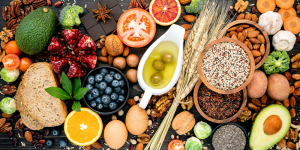
6. Dark Leafy Greens: Deep Nutrition
Spinach, kale, chard and broccoli are nutrient-dense vegetables that offer a wide range of mental health benefits and are excellent anti-anxiety foods.
Why Dark Leafy Greens Help
- Folate (vitamin B9): Essential to producing neurotransmitters and to preventing deficiencies that can lead to depression and anxiety.
- Magnesium: As noted, magnesium is a key mineral for relaxation and stress reduction.
- Antioxidants: They protect the brain from oxidative damage and inflammation.
- Fiber: It supports digestive health and a balanced gut microbiome.
How to Add Dark Leafy Greens to Your Diet
Add spinach to smoothies, sauté kale with garlic, or include broccoli in your main meals. They are versatile and can be eaten raw in salads or cooked in many ways.
7. Dark Chocolate: The Pleasure That Calms
Yes, you read that correctly. Dark chocolate with a high cocoa content can be a delicious ally in reducing stress and improving mood, making it one of the most enjoyable anti-anxiety foods.
Why Dark Chocolate Helps
- Antioxidants (flavonoids): Cocoa is rich in flavonoids, powerful antioxidants that improve blood flow to the brain, which can boost cognitive function and mood.
- Magnesium: Dark chocolate is a good source of magnesium, contributing to relaxation and reduced anxiety.
- Theobromine: A mild stimulant that can improve mood and concentration without the jitteriness of caffeine.
- Tryptophan: It contains the amino acid tryptophan, which the body uses to produce serotonin.
- A sense of pleasure: Eating dark chocolate can release endorphins, which are natural painkillers and mood lifters.
How to Add Dark Chocolate to Your Diet
Choose dark chocolate with at least 70% cocoa. Eat it in moderation; a small square a day can be enough to reap the benefits. Avoid versions with a lot of added sugar.
Beyond Food: Other Essential Habits for Easing Anxiety and Improving Mood
Diet is a fundamental pillar in countering anxiety and improving mood, but it is important to recognize that it is part of a wider lifestyle. For optimal and lasting results, other healthy habits are indispensable. Nutrition works in synergy with other practices to strengthen mental resilience and support complete well-being. In 2026, a holistic approach to mental health is increasingly valued, recognizing that many factors contribute to our emotional state. The focus should not only be on which anti-anxiety foods to eat but on how we create a life that supports our mental health in all its dimensions.
Regular Exercise
Physical activity is one of the most powerful natural antidepressants and anxiolytics available. Exercise releases endorphins, neurotransmitters that promote a sense of well-being and reduce the perception of pain. Exercising regularly also helps lower cortisol levels and improves sleep quality. You do not need to be a high-performance athlete; daily walks, yoga, swimming or any activity you enjoy already makes a big difference. Consistency matters more than intensity. Find an activity that brings you pleasure and make it part of your daily routine to complement the benefits of anti-anxiety foods.
Quality Sleep
Sleep deprivation significantly worsens anxiety and stress, compromising the body and mind’s capacity to recover. Sleep is essential to memory consolidation, cellular repair and hormonal regulation. Good sleep hygiene includes keeping a regular bed and wake time, creating a dark, quiet bedroom, avoiding screens before bed and limiting caffeine and alcohol in the evening. Prioritizing sleep is a direct investment in your mental health and in the effectiveness of the anti-anxiety foods you eat.
Relaxation Techniques and Mindfulness
Practices such as meditation, yoga, deep breathing and mindfulness can be extremely effective at reducing stress and anxiety. They help train the mind to focus on the present, reduce rumination about future or past worries, and develop greater awareness of your own emotions. Meditation, for example, has been associated with structural changes in the brain that support resilience and emotional regulation. Building a few minutes of these practices into your day can complement the positive effects of anti-anxiety foods, creating a deeper state of calm.
Proper Hydration
Water is vital to every bodily function, including brain function. Dehydration, even mild, can affect mood, concentration and energy levels, making feelings of anxiety worse. Make sure you drink enough water through the day. Herbal teas such as chamomile or valerian can also contribute to hydration and offer additional calming effects, working alongside anti-anxiety foods.
Limit Caffeine and Alcohol
A cup of coffee may feel like an energy boost, but too much caffeine can increase anxiety and jitteriness in some people. Alcohol, likewise, may offer temporary relief but it is a central nervous system depressant that can disrupt sleep and worsen anxiety over time. Moderate your intake of both to optimize the benefits of a diet rich in anti-anxiety foods.
Social Connection and Support
Human beings are social. Maintaining connections with friends, family and community is fundamental to mental health. Isolation can increase feelings of loneliness and anxiety. Make time for people who support you and make you feel good. Sharing experiences and feelings can bring powerful relief and strengthen your support network.
Time in Nature
Spending time outdoors — in parks, forests or near water — has been associated with reduced stress, better mood and a greater sense of well-being. “Nature therapy” and “forest bathing” are ideas gaining ground, reflecting the calming power of natural environments. Combine your intake of anti-anxiety foods with walks in nature for an amplified effect.
Stress Management
Identify the sources of stress in your life and develop strategies for managing them. That might include learning to say no, delegating tasks, setting healthy boundaries and looking for solutions rather than simply worrying about problems. Cognitive behavioral therapy (CBT) is an effective tool for building coping skills and changing negative thought patterns.
By taking a multifaceted approach that combines a diet rich in anti-anxiety foods, regular exercise, adequate sleep and relaxation practices, you will be building a solid foundation for a life with less stress and more joy. Remember, mental health is a continuous journey, and every small step counts.
Conclusion: Feeding the Mind for a Calmer Life in 2026
As we move through 2026, the intrinsic relationship between what we eat and our mental health becomes ever clearer. It is no exaggeration to say that what goes on our plate has a direct and profound impact on how we feel, think and react to everyday stress. The seven anti-anxiety foods explored in this article — avocado, berries, oily fish, Greek yogurt, nuts and seeds, dark leafy greens and dark chocolate — are more than mere ingredients; they are genuine nutritional allies in the pursuit of a calmer mind and a steadier mood.
Building these foods into your diet is not just a matter of following a list but of adopting a philosophy of conscious nutrition. Each brings a unique profile of vitamins, minerals, antioxidants and essential fatty acids that work together to support brain function, balance neurotransmitters and counter inflammation — all crucial factors in regulating stress and anxiety.
Remember that consistency is the key. Small daily changes to your eating habits can produce significant benefits over the long term. Start by building one or two of these anti-anxiety foods into your meals and notice how your body and mind respond. Try new recipes, explore flavors and make healthy eating an enjoyable part of your routine.
It is important to stress that while nutrition is a powerful tool, it does not replace professional guidance in cases of chronic or severe anxiety. Always consult a doctor or dietitian for a personalized eating plan, and a mental health professional for psychological support if you need it.
In short, by nourishing your body with the right foods, you are investing in your mental health, building resilience and cultivating a state of well-being that goes beyond the physical. May 2026 be the year you discover the transformative power of a diet focused on calm and happiness. Start your journey toward a more balanced, less anxious life today, one delicious plate at a time.